Understanding Wine Basics
If you're just beginning to learn about wine, naturally you start with the basic wine information. Before you begin learning commonly used descriptive terms like herbaceous, flinty, or chewy, it's good to understand wine basics such as tasting and serving it.
Tannins in Wine
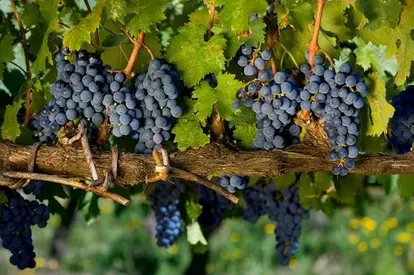
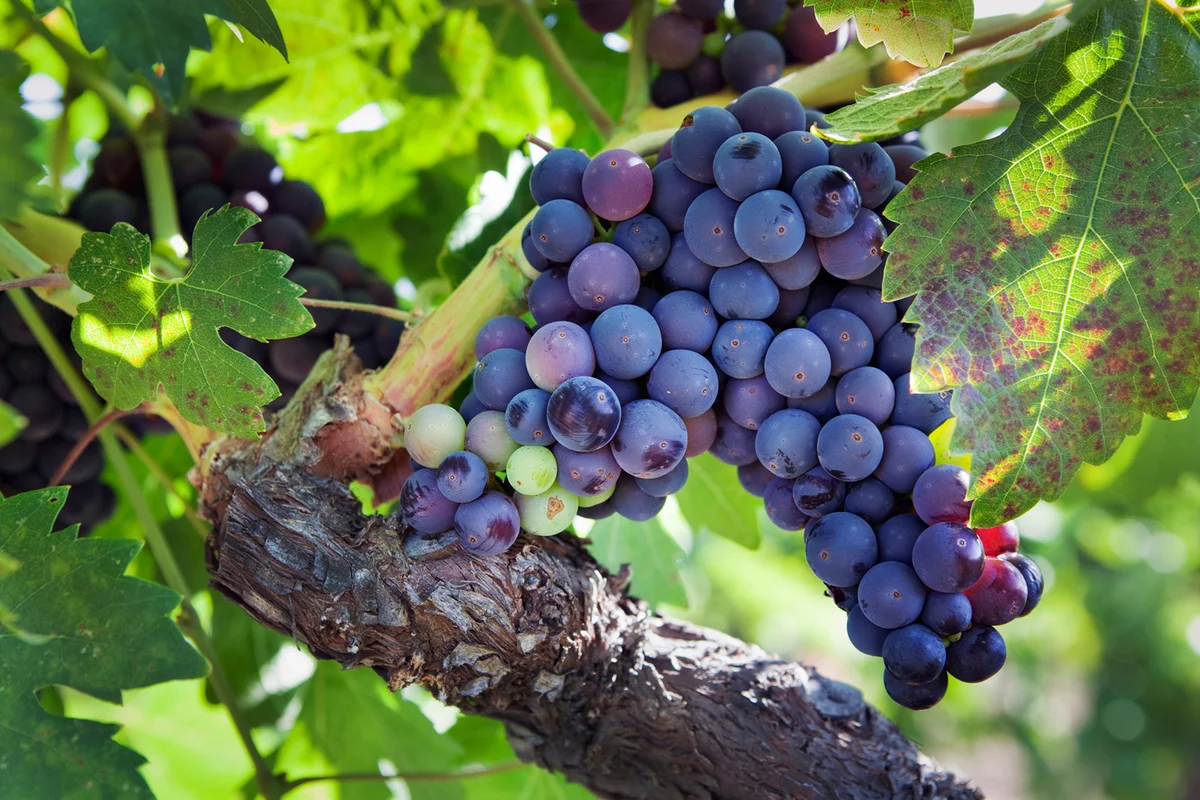
Tannins are phenols that occur naturally in grape skins and stems. In wine, tannins come from leaving the skins and stems in contact with the juice after pressing. Tannins are what makes your mouth feel dry when tasting a full-bodied red wine (or drinking a cup of tea). Harsher tannins often also cause your cheeks to pucker a bit, or you may feel them in your jaw, similar to when you eat something slightly sour.
The tannins in wine create structure; that is, they allow the wine to age and improve in quality as it does. Young, tannic wines are often difficult to drink because the tannins overpower the wine's subtler flavors. However, as these wines age, the tannins soften and many flavors emerge from behind them to create a nuanced taste experience.
Understanding a Wine's Body
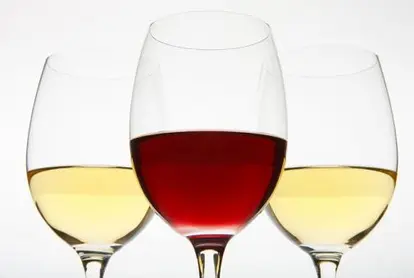
The term body when discussing wine referrs to how it feels in your mouth. This is also referred to as mouth-feel. When tasting a wine, there are two main things to look for:
- The weight of the wine - Not weight as far as actually heaviness, but how it feels on your palate. When a wine is full-bodied, it completely coats your palate and tends to feel heavier in the mouth. When a wine is light bodied, it coats your palate thinly, making it feel lighter in the mouth.
- The texture of the wine - This is how the consistency of the wine feels in your mouth. Is it smooth or velvety or is it coarse and brash, for example.
Why Acidity in Wine Matters
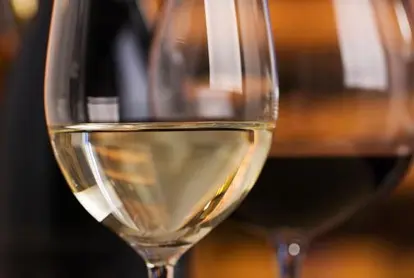
Another basic wine information term is acidity. It has to do with flavors in the wine and if they're well-balanced. Too much acid makes tends to be harsh and makes your mouth pucker, and too little makes the wine taste dull and lifeless. Acidity balances other flavors in wine, such as sweetness, smoke, or tannins. For example, in a sweet Riesling or dessert wine, tart acidity balances the sweetness so it doesn't become cloying. It's what gives wine its zing.
Common Red Wines
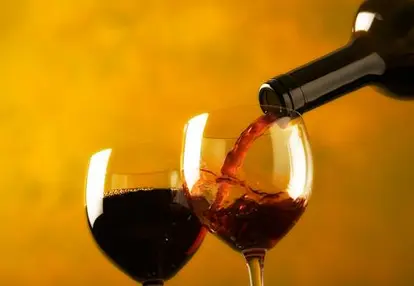
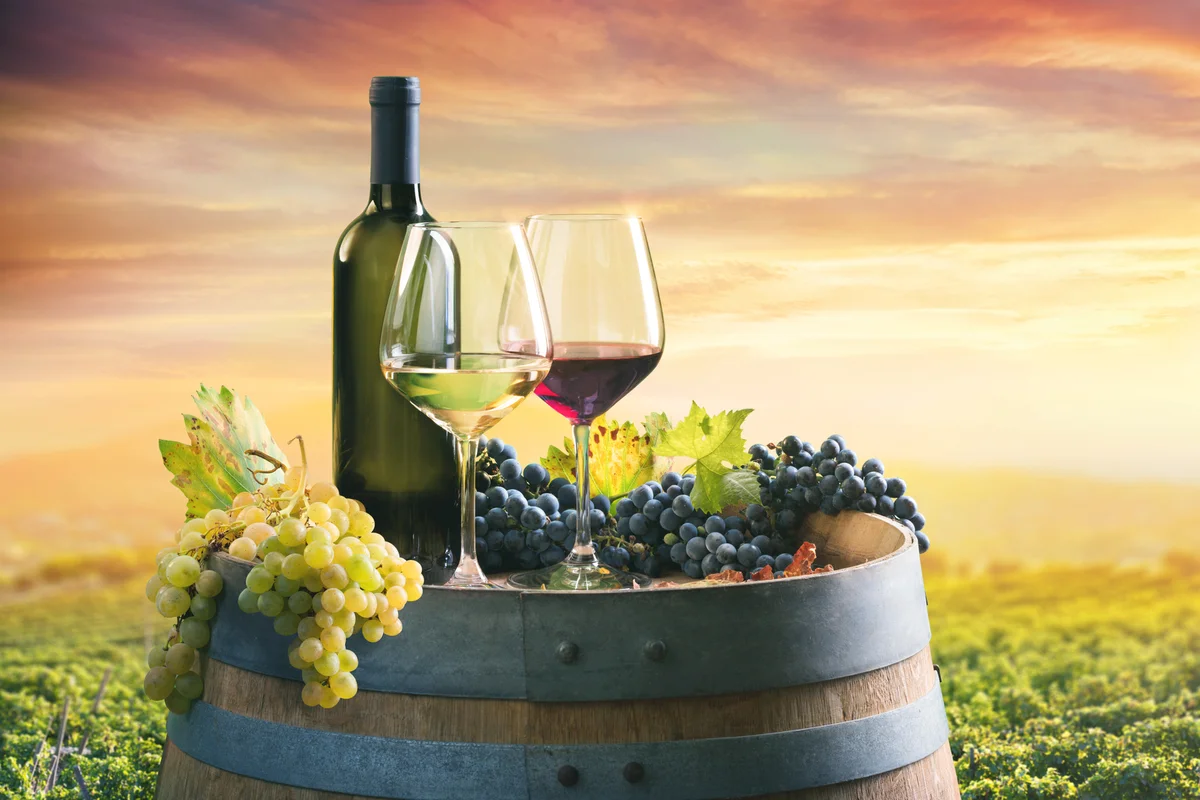
Though there are a number of different types of red wine. Red wines come from red or black grapes, and the deep red color and tannins come both from the color of the juice and leaving the skins in contact with the juice after pressing. Red wines can be made from a single grape or from a blend of red and white grapes. For example, Côte-Rôtie red wines from France are a blend of the red wine grape, Syrah, and the fragrant white wine grape, Viognier. Some common red wines and varietals include the following:
Common White Wines
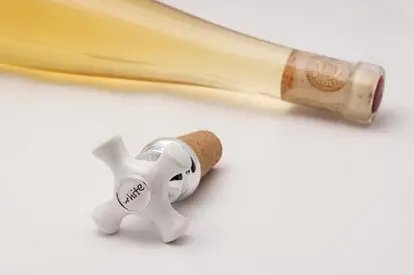
Just as with the reds, there are many types of white wine on the market ranging from dry to sweet. White wines aren't left in contact with the skin, and the grapes are usually green or white and produce light colored juice. Common varietals of white wine include:
- Chardonnay
- Sauvignon Blanc (also called Fumé Blanc)
- Pinot Grigio or Pinot Gris
- Riesling
- Sémillon
- Viognier
- Muscat
- Gewürztraminer
Rosé and Blush Wines
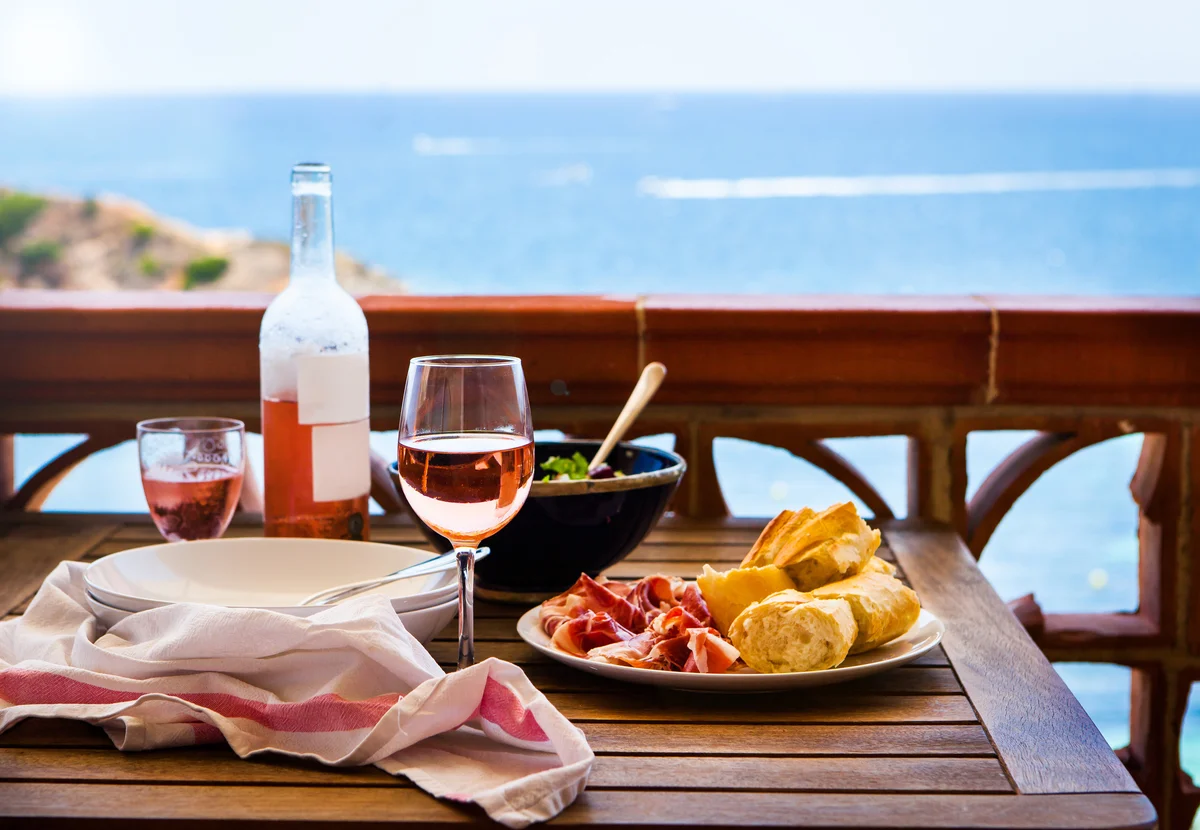
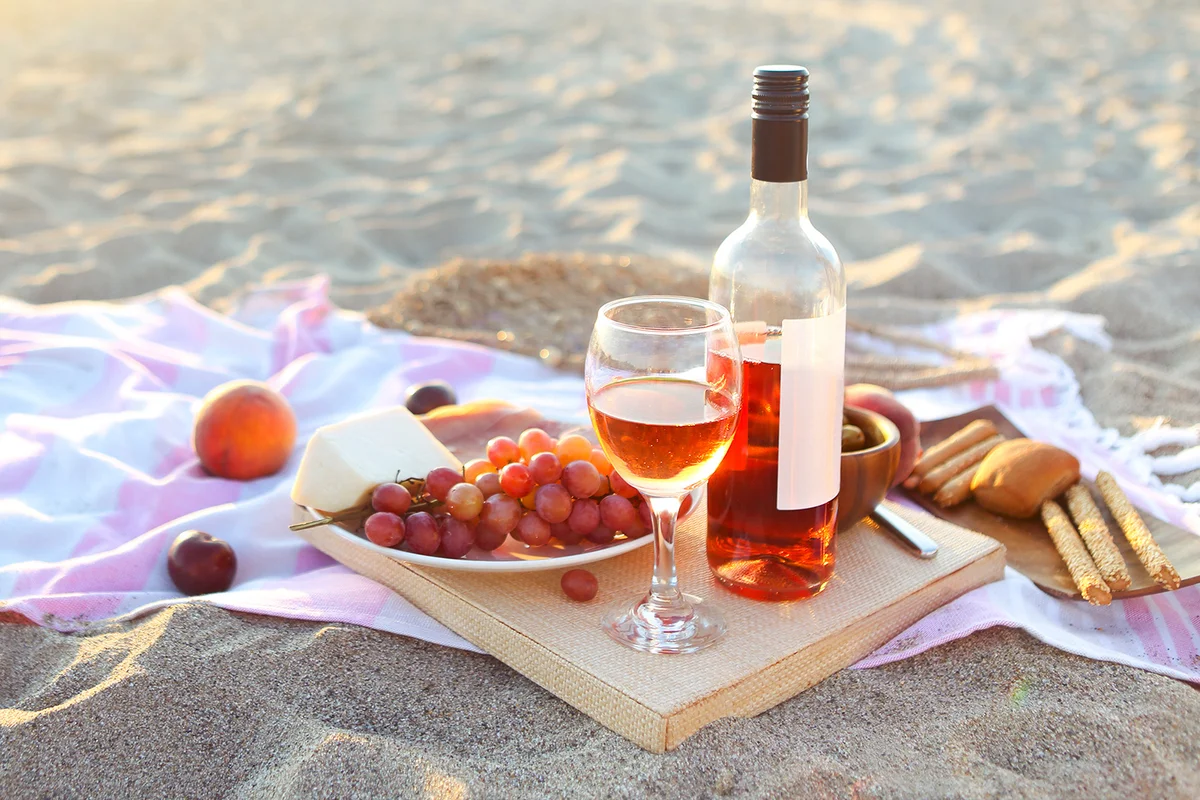
Rosé and blush wines are made from red varietals that have been left in contact with the grape skins for a short period. These wines tend to drink best when they are young and should be served chilled. Winemakers can make rosé wines from any red wine grape, although White Zinfandel and White Grenache are some of the most common types found.
Different Types of Sparkling Wines
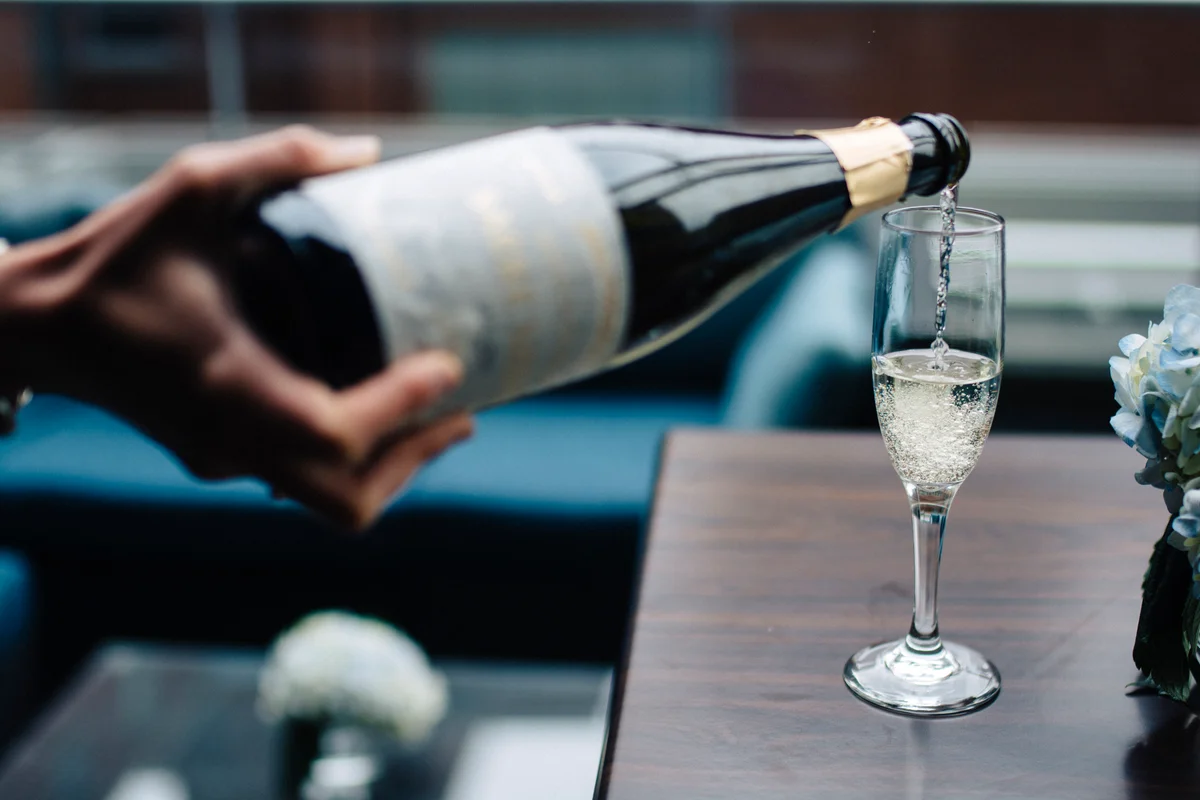
Many people call any wine that sparkles "Champagne," but the truth is Champagne only comes from the Champagne region in France. Throughout the world, sparkling wines are called other things, although many are made from the same winemaking method as the French sparklers.
Sparkling wines can be red, white, or rosé, although whites tend to be the most common. They range in sweetness from dry to sweet. Common types of sparkling or fizzy wine include:
- Champagne (France)
- Cava (Spain)
- Prosecco (Italy)
- Crémant (France outside of Champagne region)
- Sekt (Germany)
Wine Serving Temperature
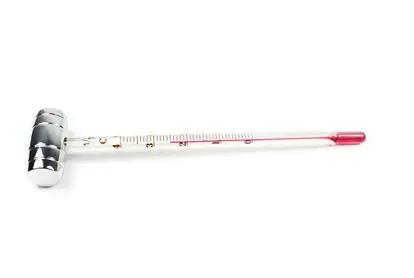
To get the full effect of the flavor nuances of wine, you need to serve them at the optimum temperatures. Doing so releases all the flavor nuances and aromas of the wine. Here are some guidelines:
- Whites - 46 to 55 degrees Fahrenheit
- Reds - 55 to 63 degrees Fahrenheit
- Champagne and sparkling - 43 to 46 degrees Fahrenheit
- Rosé and blush wines - 46 to 57 degrees Fahrenheit
Decanting Wines
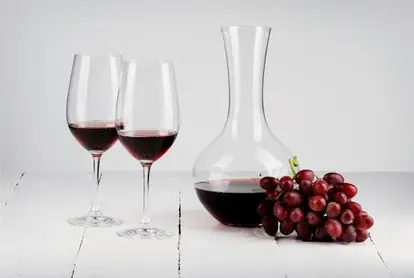
Whether to decant wine is an oft debated topic. The two main reasons to decant are:
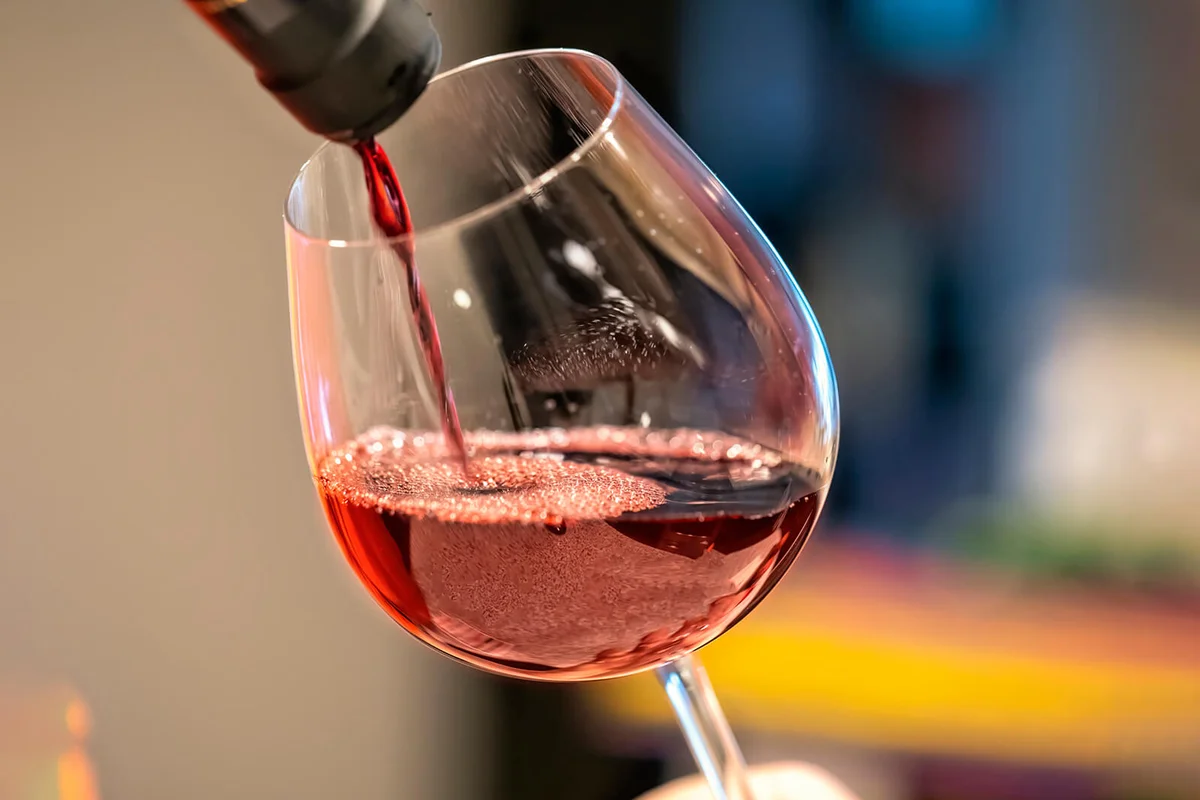
- Aeration - The chemical compounds in wine react with oxygen. When this happens, more subtle flavors and aromas are released and you get the full tasting experience of the wine.
- Remove sediment - As wine, (generally red wine) ages, sediment forms at the bottom of the bottle. Decanting prevents the sediment from reaching the glass.
Of course, if you choose to decant a bottle of wine simply for show, that's just fine too. In general, reds are more likely to require decanting than whites or rosé wines, and you shouldn't decant sparkling wines.
Choosing the Perfect Wine
If you aren't a wine drinker but would like to start, it helps to start with lighter, sweeter wines and work your way up to drier, heavier wines. This helps develop your wine palate. For example:
Whites
- Pinot Grigio
- Sauvignon Blanc
- Chardonnay
Reds
- Pinot Noir
- Merlot/Shiraz
- Cabernet
Go to tastings and try all kinds of wine to see what you like; there's no right or wrong answer. Wine enjoyment is subjective. Remember, price is not always a direct reflection of quality.
Understanding Wine
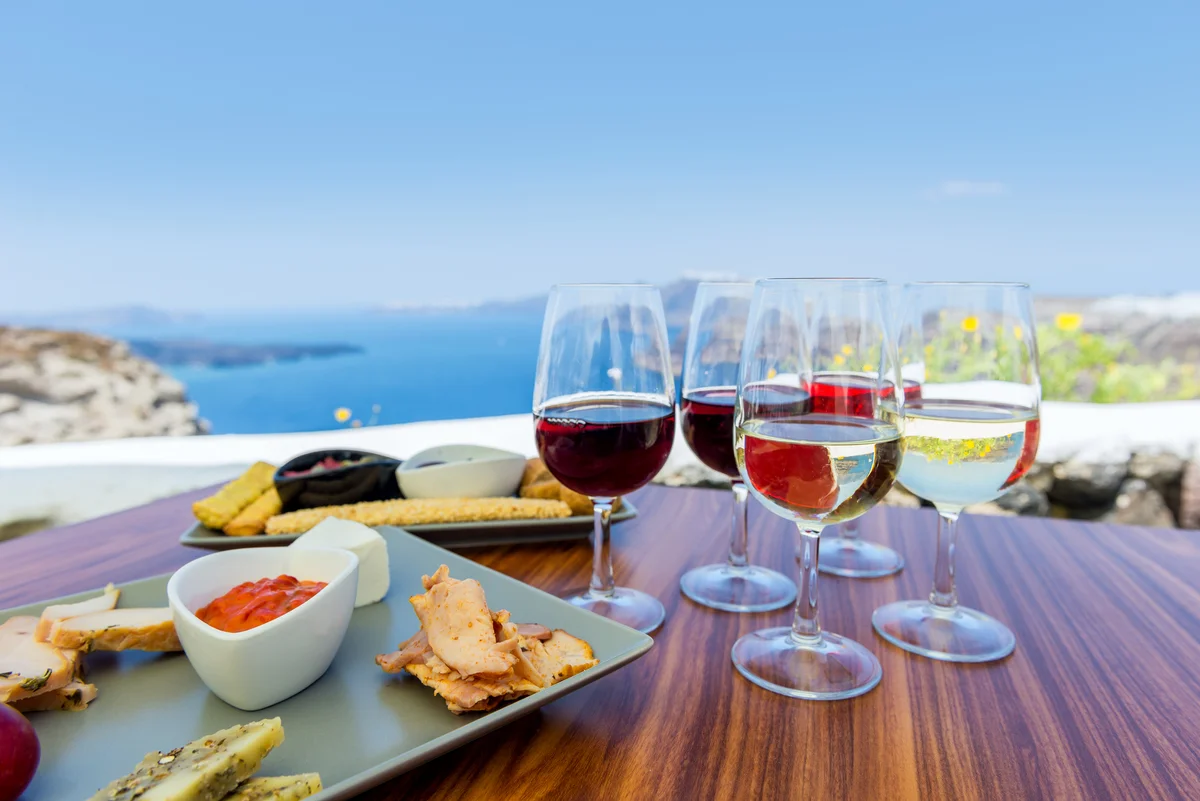
The biggest tip in learning to understand wine is this: drink what you like. Try different wines when you have the opportunity and drink what tastes good to you. While there are many "rules" about wine, the truth is that to truly enjoy wine, you can drink the type you like at the temperature you enjoy with the foods you think pair well. Everything else is just a guideline.