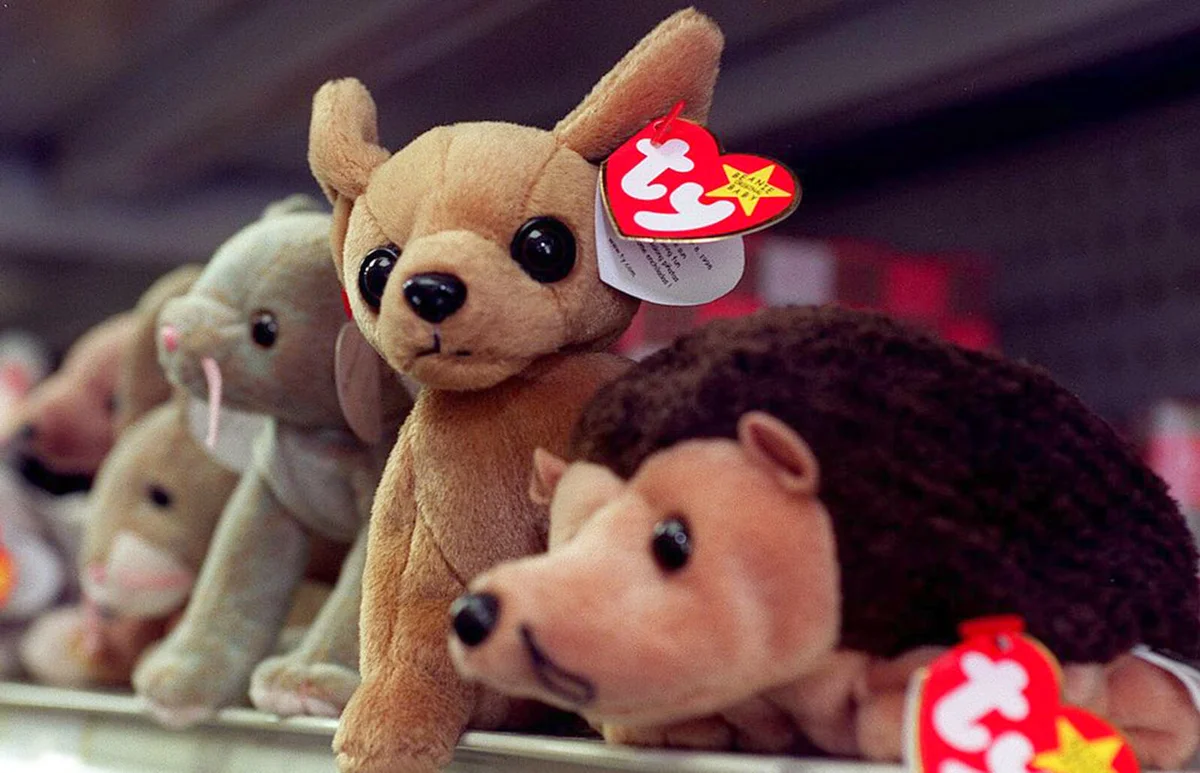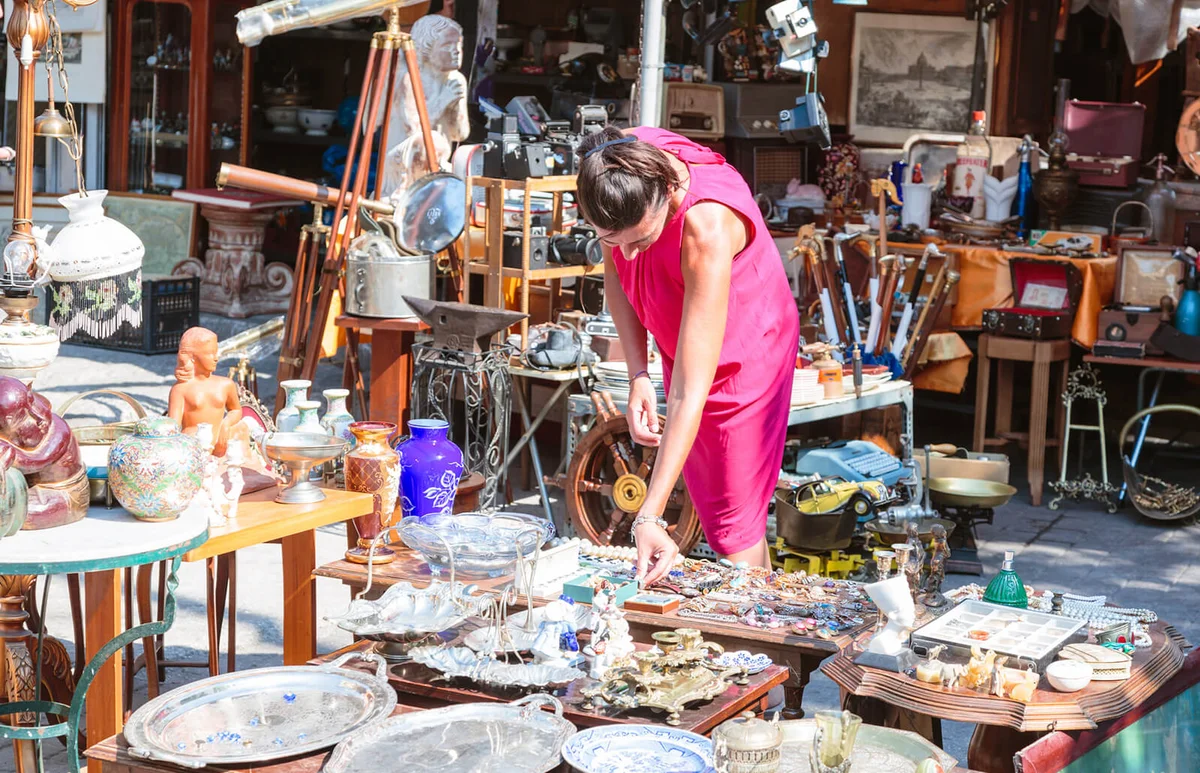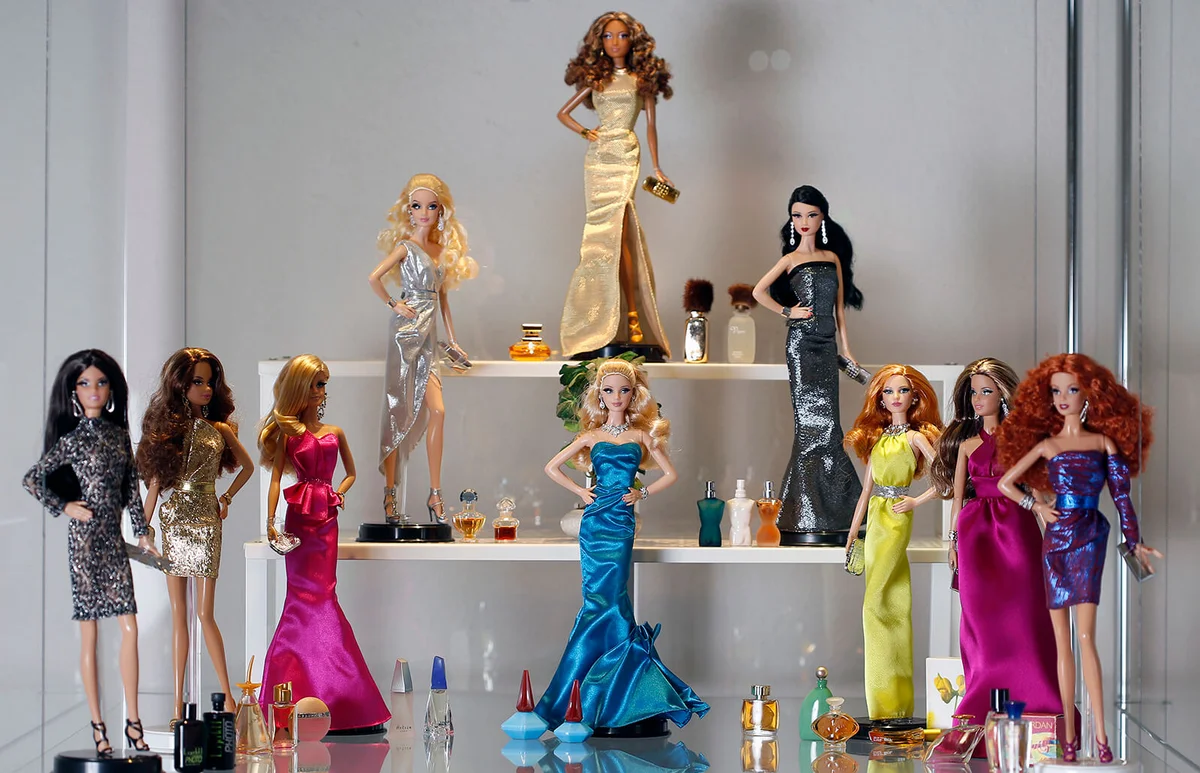
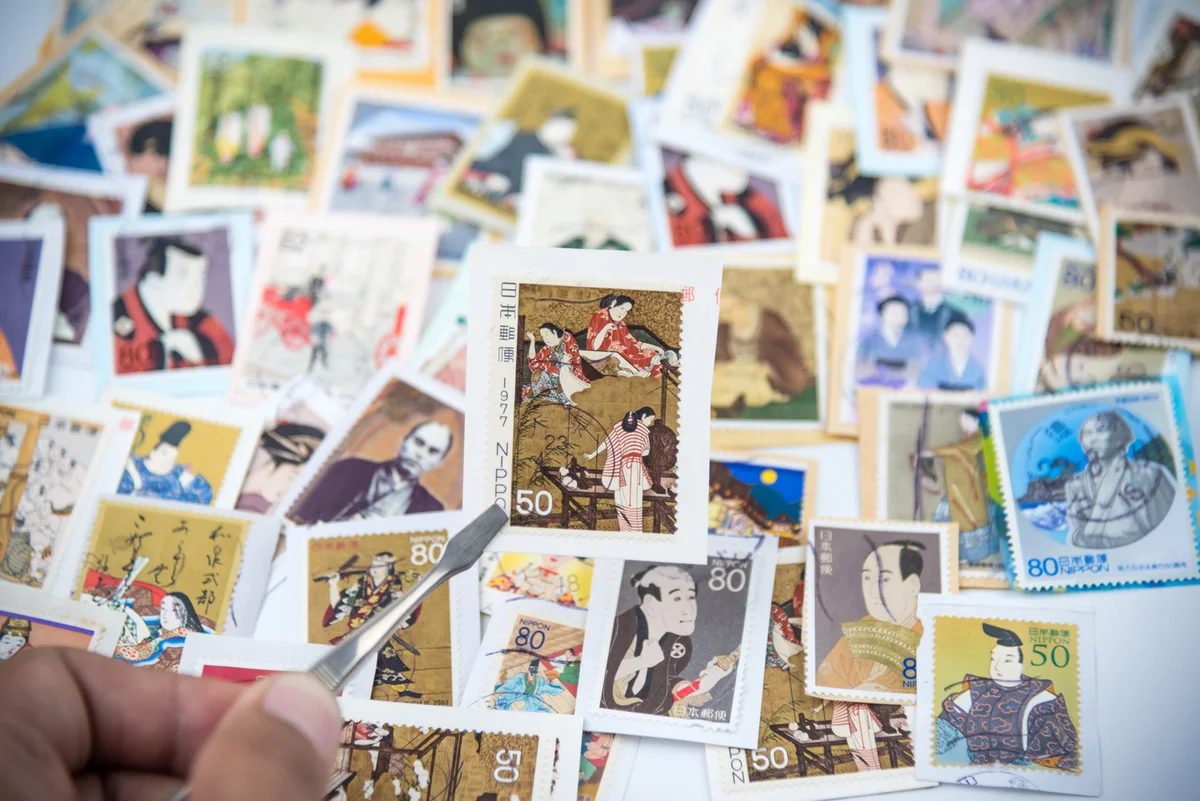
From Beanie Babies to antique dolls, it's important to get top dollar and have a good experience when you're ready to pass your treasures on to a new owner. Knowing how to sell collectibles comes down to understanding their value and presenting them to buyers in the most attractive way possible.
While eBay and Etsy are great options, there are a bunch of other ways to sell your vintage and antique pieces that are totally doable. Here's how to go about it.
Know the Real Value Before You Sell
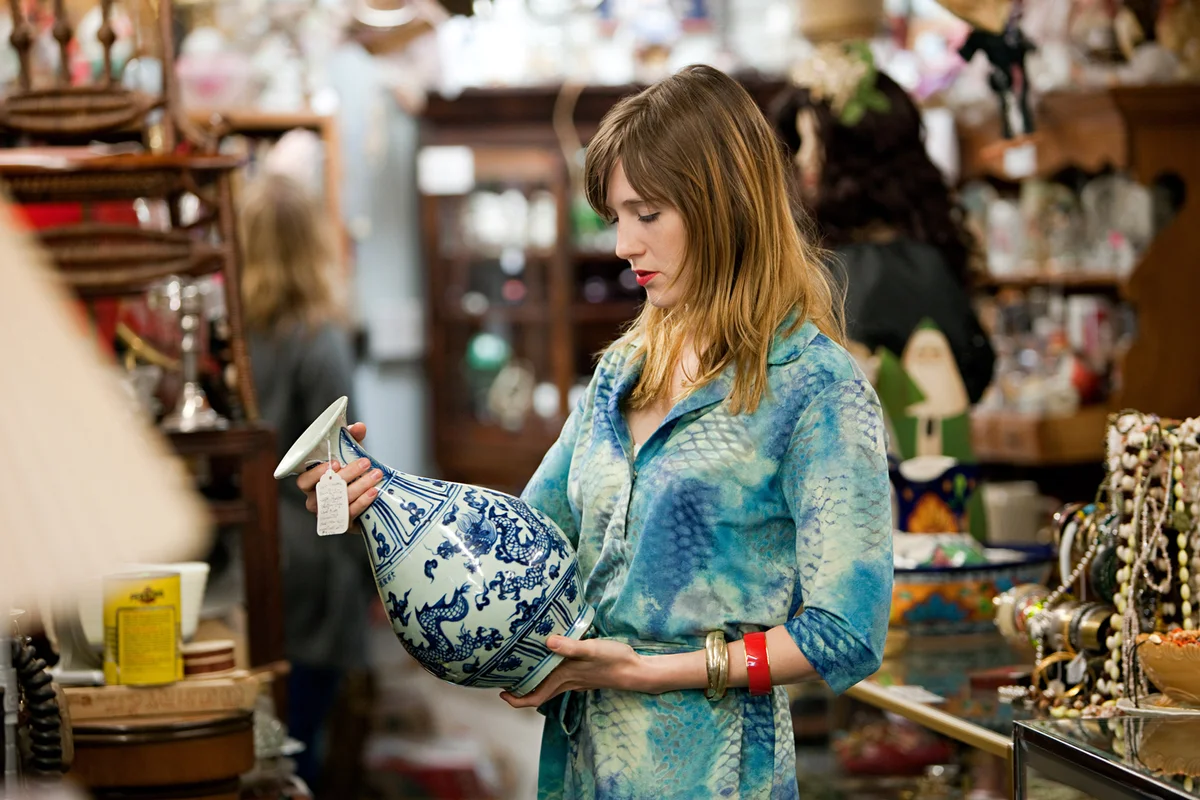
Before you sell your collectibles, it's super important to know what they're really worth. Certain items, like collector plates, have a lot of hype and can seem like they're worth more than they are. Others, like antique Hummel figurines, can actually be worth way more than you might assume. The trick is to research value first.
- Start by getting all the details you can about what you have — anything that makes it unique or identifies it.
- Take a good, hard look at the condition of the piece. If it has damage, be honest with yourself about how that might affect its value.
- Then research the item and compare it to recently sold examples on auctions sites like eBay. Only compare to things that have recently sold, since sellers can ask anything they want for the item.
Quick Tip
If you have something you think might be worth hundreds or thousands of dollars, it's a good idea to have it professionally appraised before you sell. Tiny details can make a huge difference in value with these pieces, and you need a pro opinion.
Decide Where You Want to Sell Your Collectibles
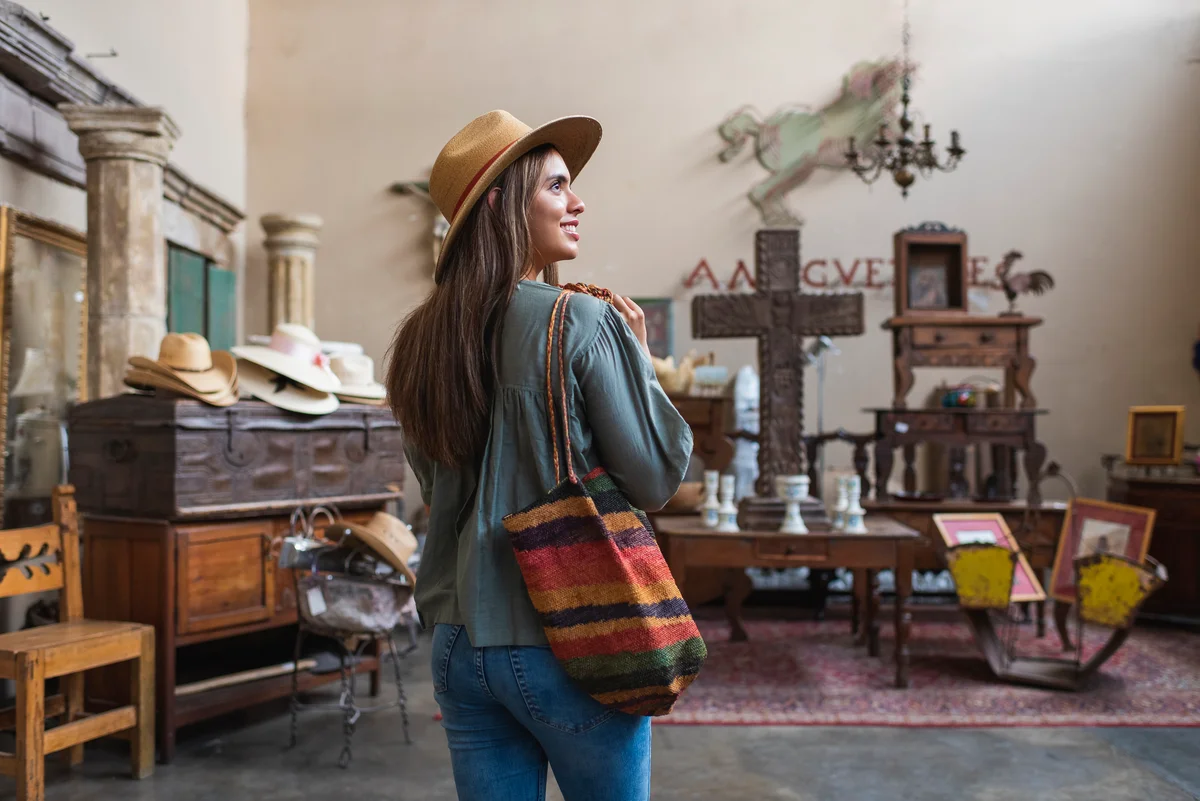
You have choices when it comes to selling your collectibles. It's all about the amount of time you want to put in and how much you want to get for the items.
- Pawn shop - This is the fastest way to sell collectibles, but it's also least likely to get you a good price. If you're in a hurry, go this route. Otherwise, skip it.
- Thrift shop or antique shop - It will take a little longer, but you can sell collectibles on consignment at a thrift or antique shop. The shop takes a portion of the money when the item sells — usually about 30% to 40%. This takes longer, but you get more for your items.
- Local sale - Using Craigslist, Facebook Marketplace, or old-fashioned word of mouth, you can sell to a person locally and get the most for your collectibles. This eliminates the middleman and lets you keep the entire sale price.
Gently Clean Collectibles Without Damaging Them
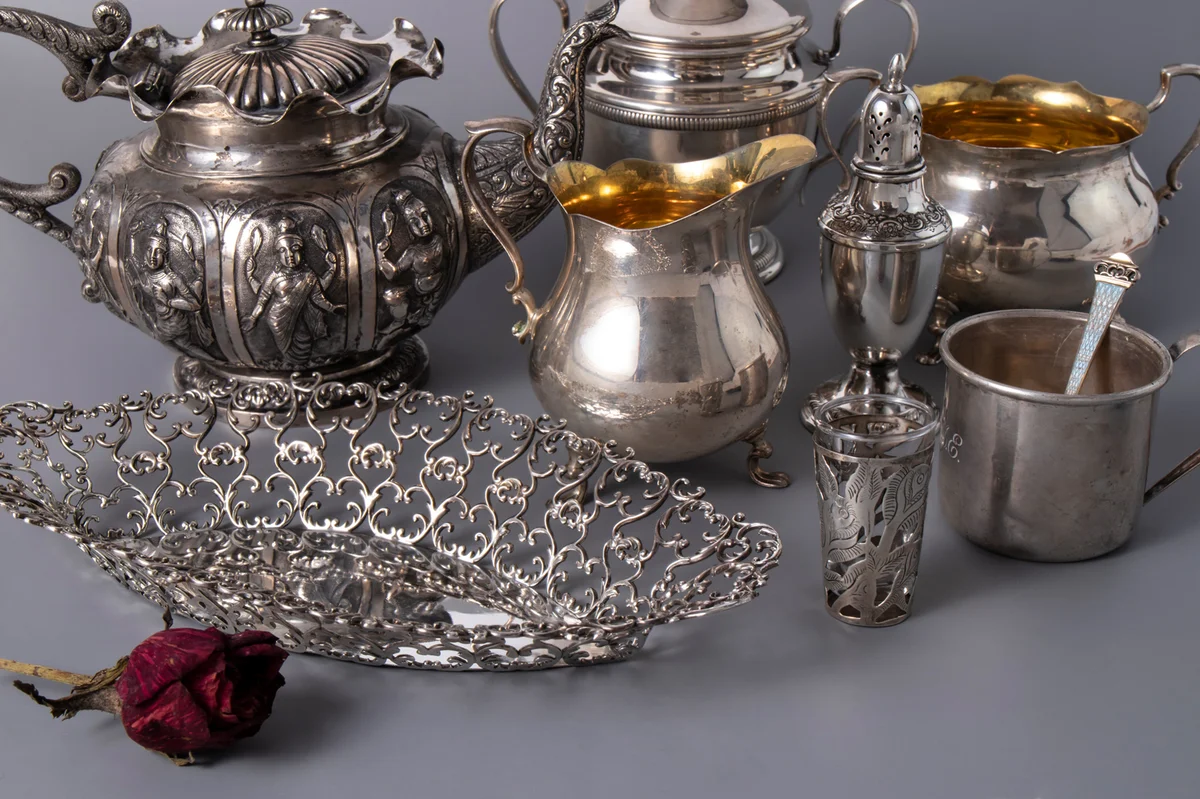
To get top dollar, you need to present your items well. Give your collectibles a good cleaning if it won't damage them, but don't remove patina from antique items. That's the wear and polish that comes with age. Basically, you want to remove dirt and grime without making the item look brand new.
Use water if it won't hurt the item, as well as super-gentle soap like Woolite if you think it needs it. For metal items, a gentle polish is a good idea.
Quick Tip
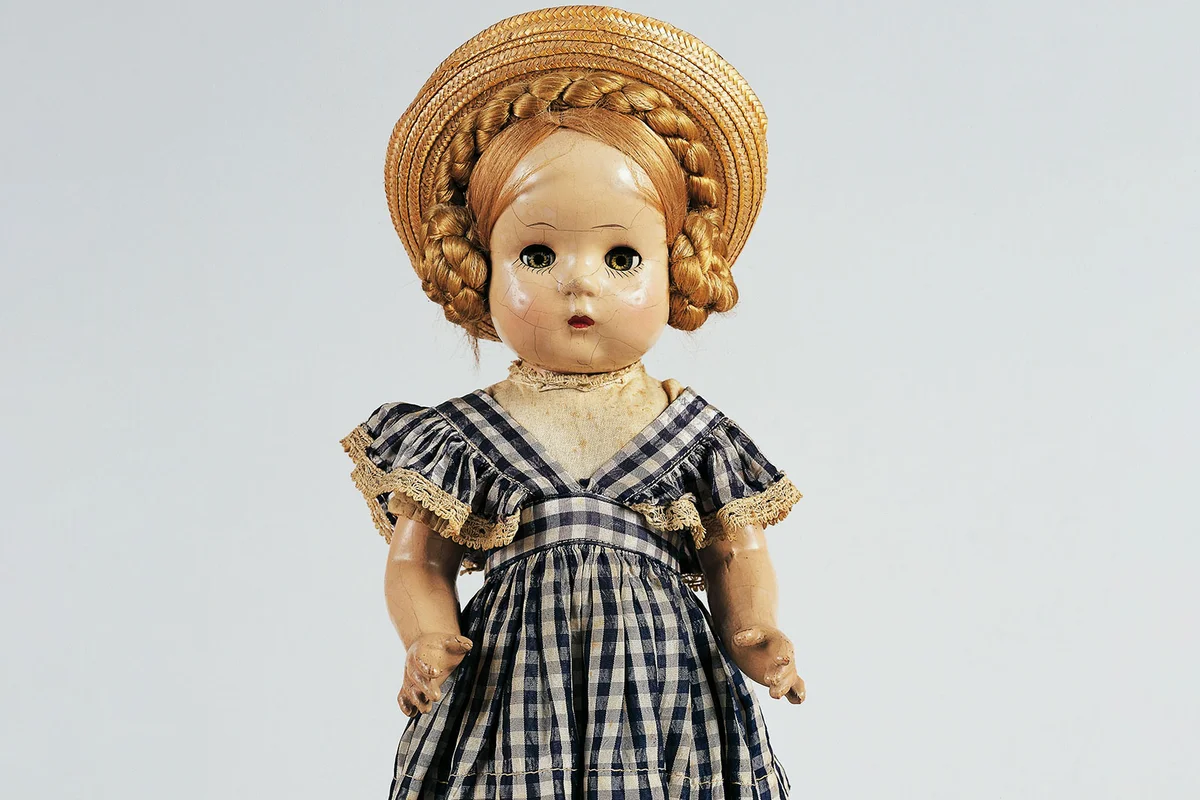
If you're not sure if cleaning will damage your item, don't do it. Some things, like stuffed animals or collectible dolls, can be permanently damaged when not cleaned professionally.
Make Very Basic Repairs (But Don't Restore)
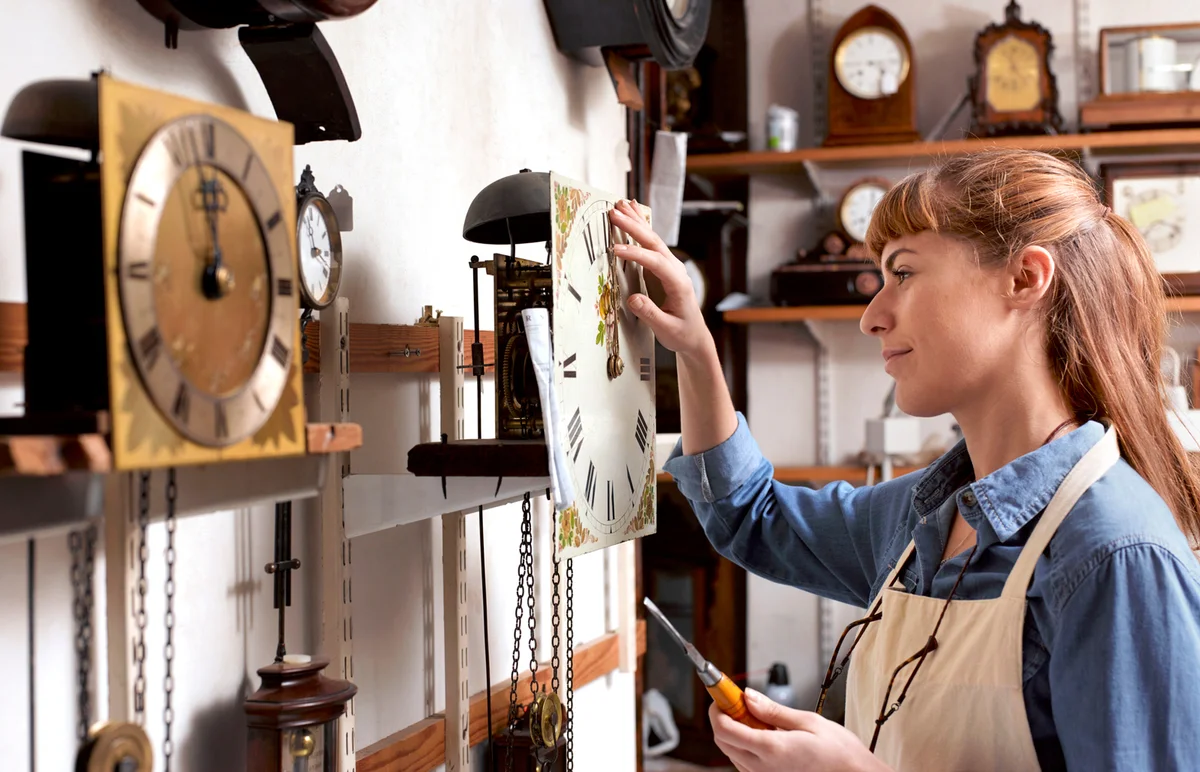
If your collectible has a missing part or some minor damage, it might be worth repairing it. It's important not to go overboard here, though.
Repair collectible items only if it's a simple fix. Restoring your antiques or special collectibles can reduce their value, but some things are easy fixes that can make an item look better without reducing its value. Think adding a new lace to a doll shoe that's missing one or sewing a rip in the seam of a vintage dress.
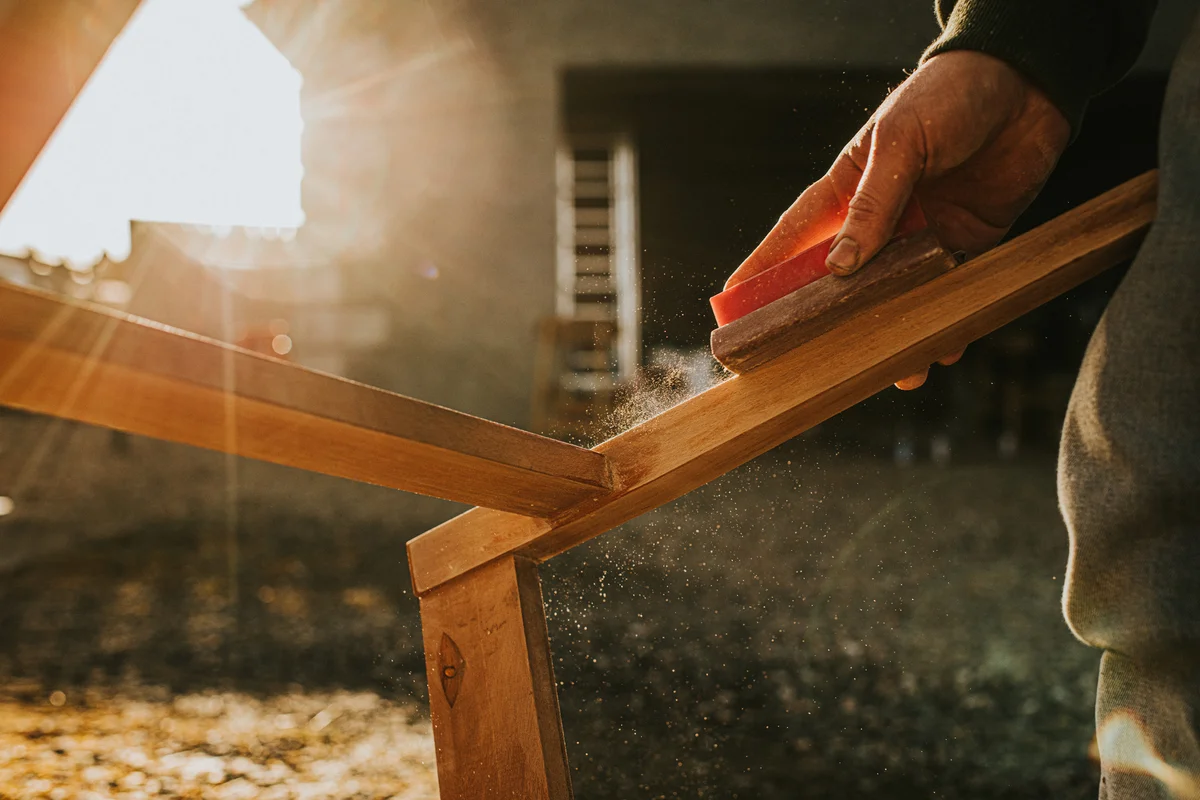
Think About Ways to Present the Collectible
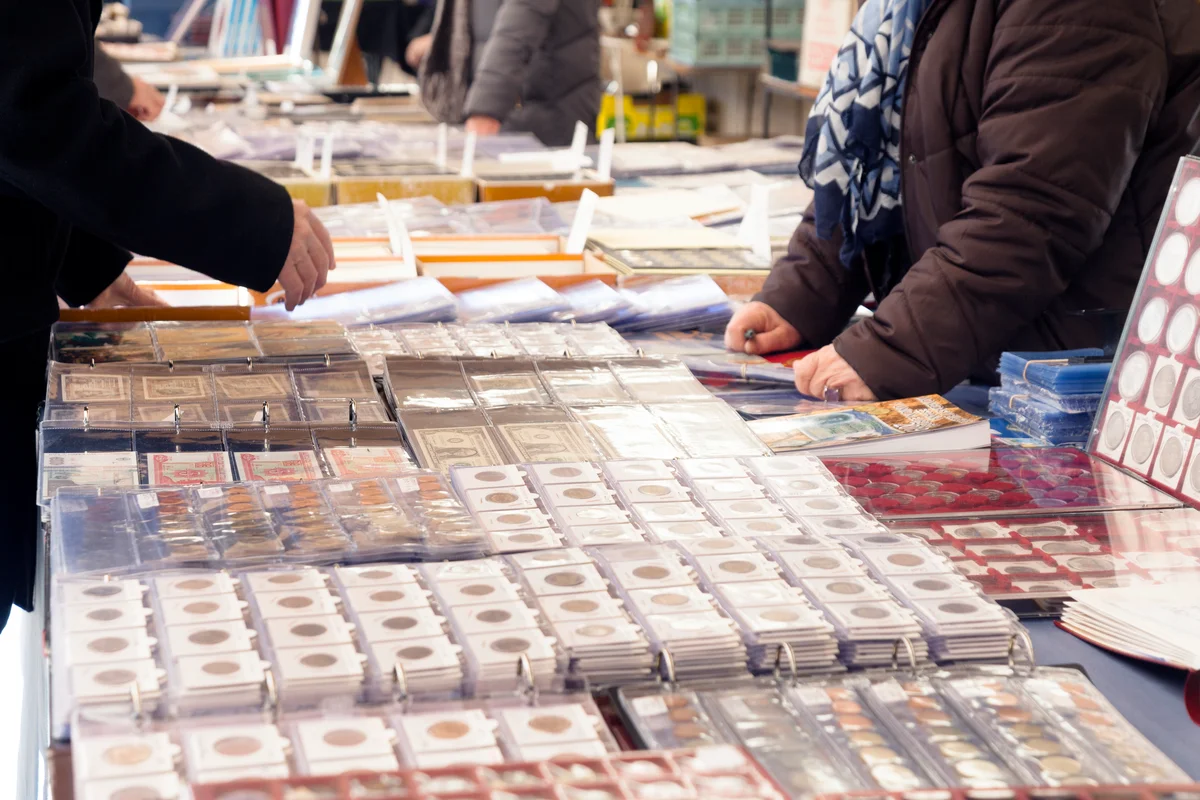
Some collectibles just are what they are, and there's nothing you can do to present them to the buyer in a special way. Still, there are some items you can present nicely.
You can sometimes get more money for an antique coin when you present it in a slab, which is a clear plastic holder. The same goes for other small things like buttons, jewelry, or trading cards.
READ MORE: Where & How to Sell a Coin Collection for Real Money
Consider Grouping Collectibles for Higher Value
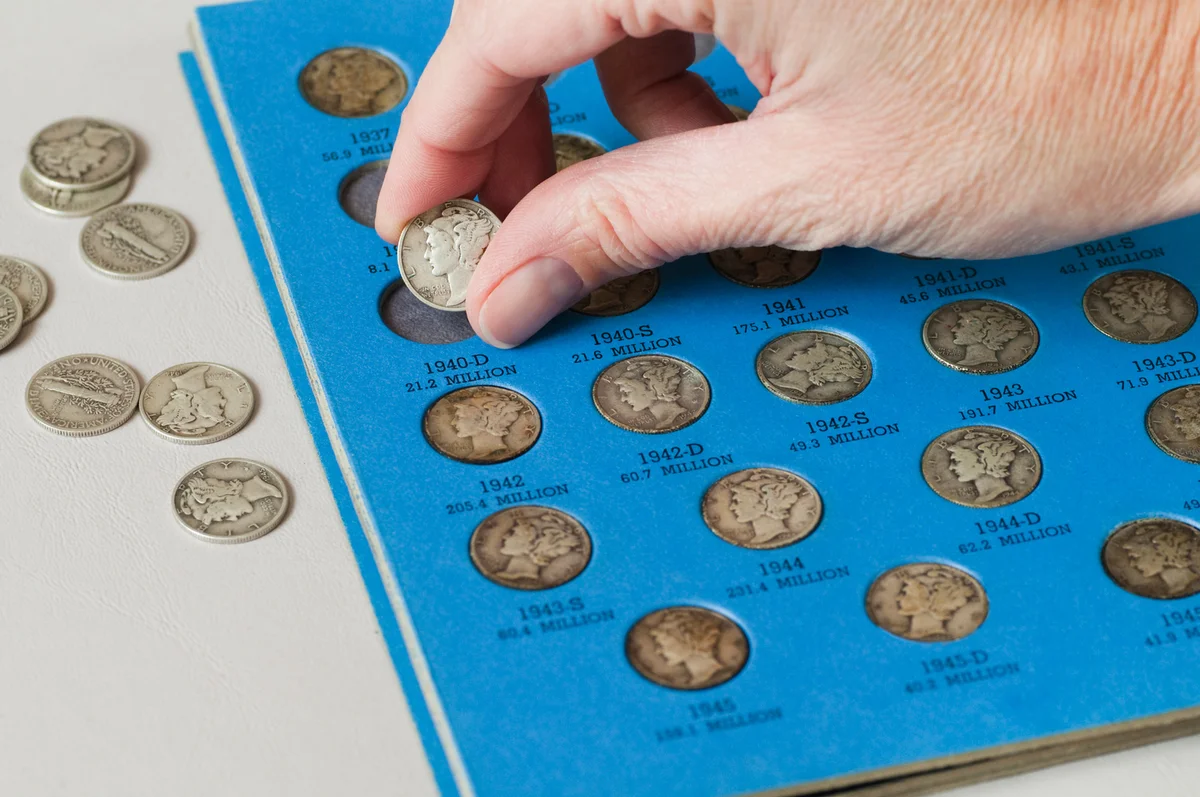
Some collectibles are valuable on their own and aren't really part of a larger collection or set, but that's not true with everything. Think about grouping things like coins, sports memorabilia, trading cards, sets of collector plates, and items that come in a series. When you do that, you're basically selling a collection or part of a collection, and people may pay more money for the complete set.
Take Great Pictures When Selling Your Collectibles
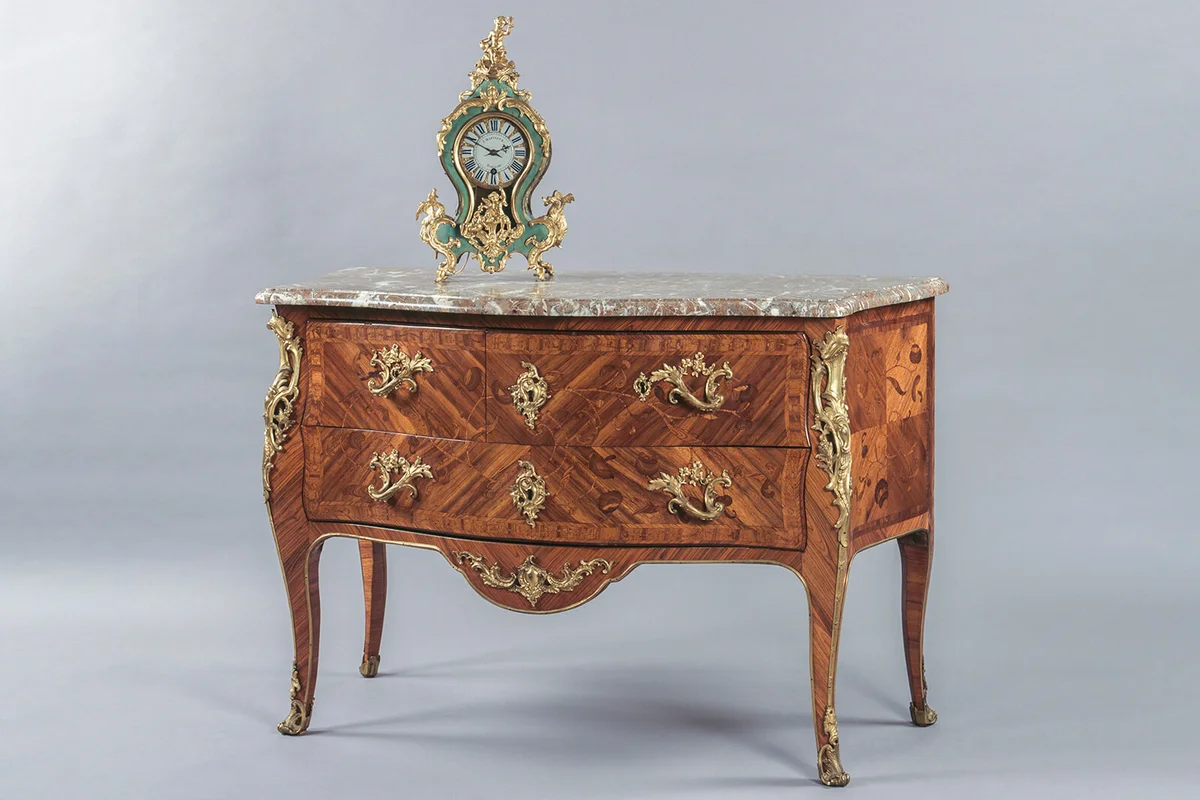
If you're selling on a site like Craigslist or Facebook Marketplace, part of presenting your items well involves taking good photos. You don't need a professional camera or anything like that, but a few tips can help you get great pictures.
- Set up a clean background. A white sheet is good. Make sure it's under the item and behind it.
- Take the photos when you have lots of light. It's better not to use lamps or overhead fixtures, because they can give a color cast to items that doesn't look awesome.
- Try lots of angles. Get photos from each side and move around the item taking pictures. Some angles will look better than others.
- Take pictures of damage, too. Although it's not always pretty, showing the damage tells the potential buyer that you're being honest about the condition.
Come Up With a Good Description
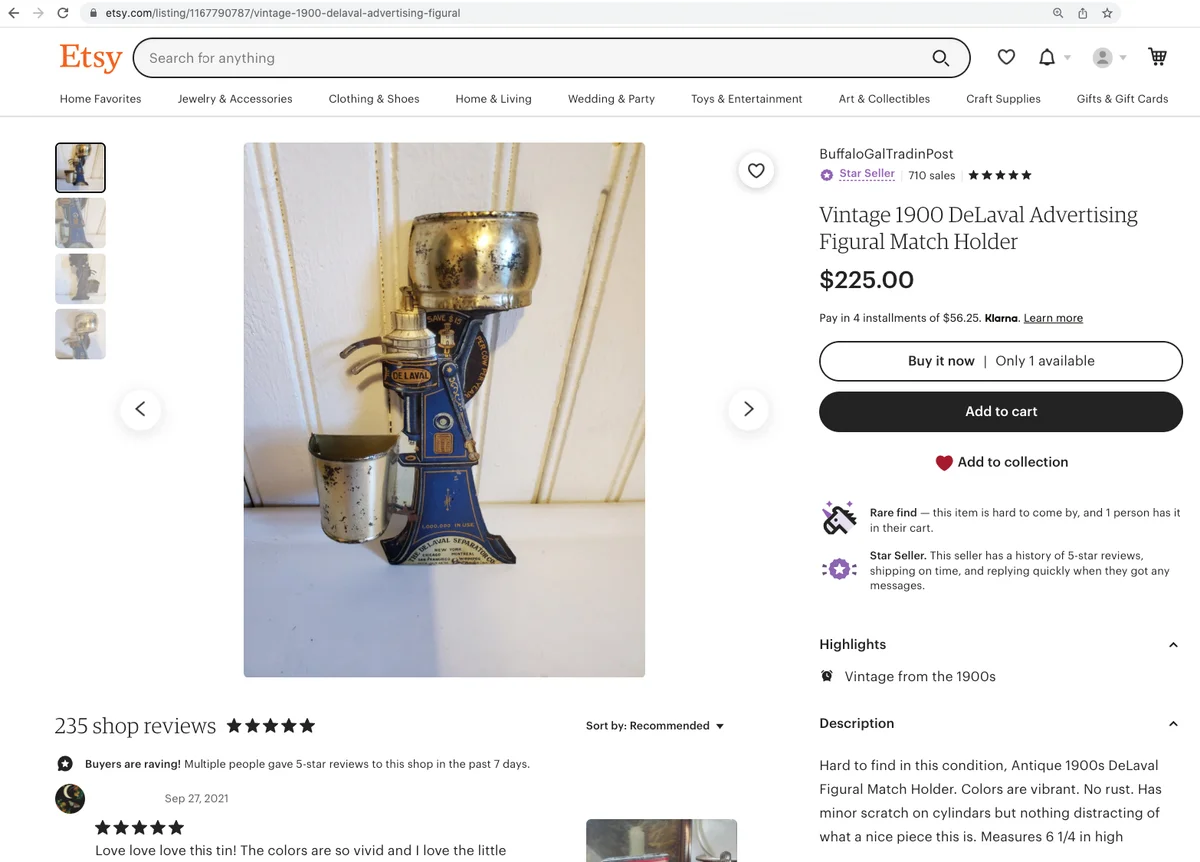
Whether you're selling online or in person, you need to have a good description of the collectibles you're selling. You'll use this when you talk to stores about selling on consignment, as well as when you post an item for sale on classified sites.
- Start by talking about what makes it special. If it's rare, explain why.
- Include the size (and, in some cases, the weight).
- Describe any damage or potential flaws.
Set a Price and Decide if You'll Negotiate
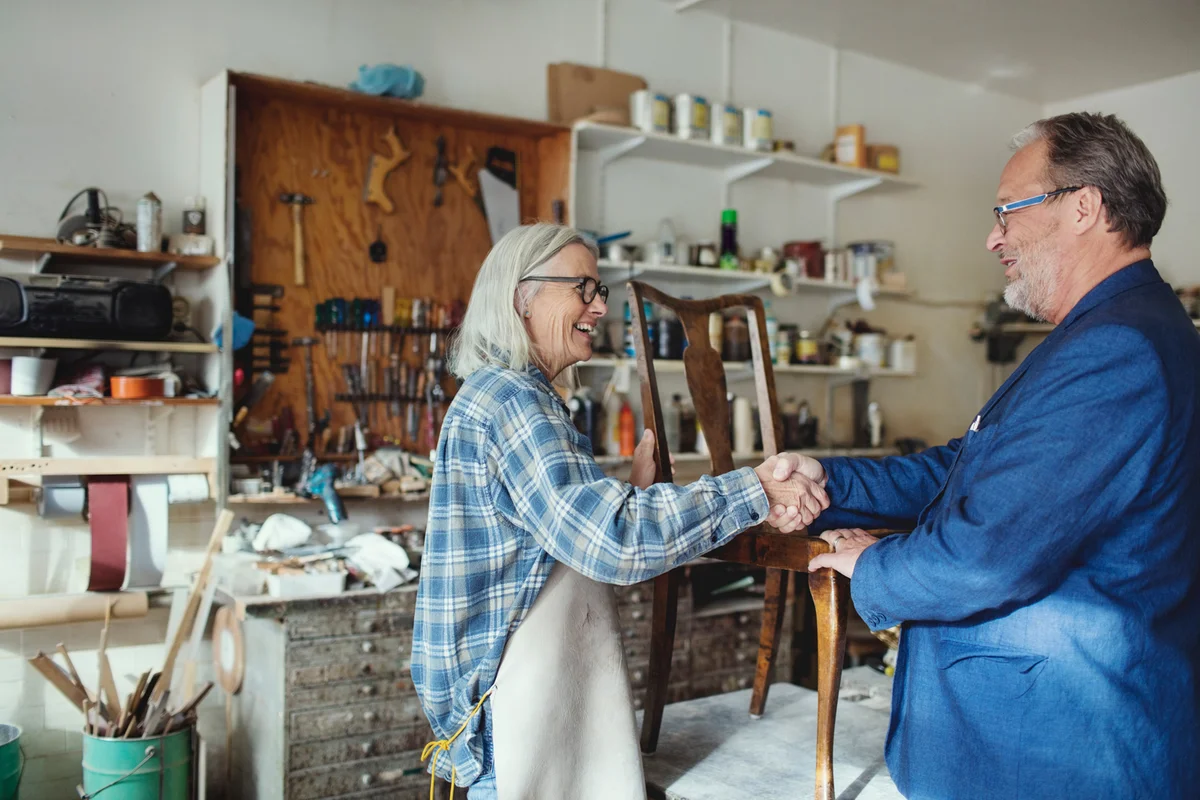
You know how much your item is worth, and you're presenting it in the best possible way. Now it's time to set your price. If you want it to sell quickly, set the price about 10% below the value of the item. If you want top dollar, set it at the item's value or even a little above.
Then plan your negotiation strategy. In many cases, people will make an offer for your item. If you know what you're willing to accept, it will make it easier to decide whether to accept that offer or counter with another one. There's no wrong answer. It's just about what you want. When you get an offer you like, finalize the sale.
Look Through Your Collectibles for Things to Sell
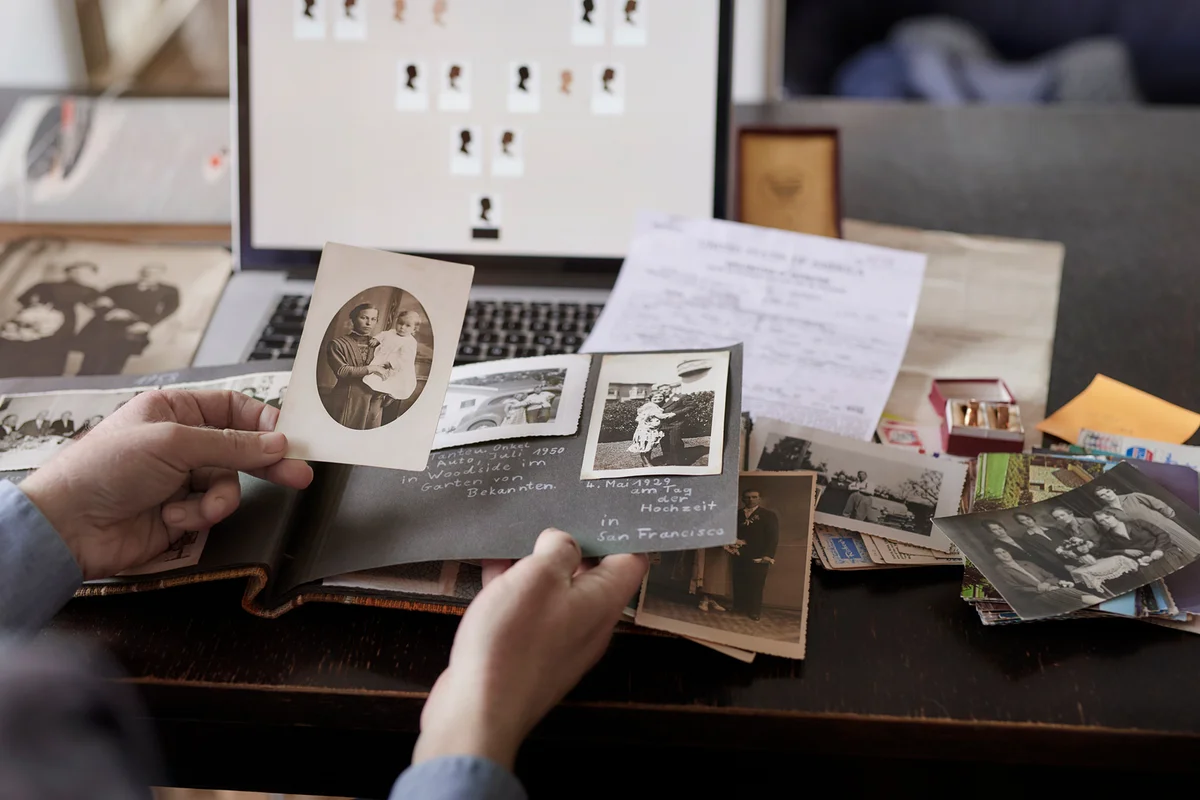
Now that you know how to sell collectibles, it's time to take a look at what might make you the most money. Knowing what things are worth is important. So is identifying those items, such as Beanie Babies, that often don't sell for much. You may just have some treasures in your house that aren't sentimentally valuable to you, but might be worth a lot to someone else.