Whether you have an heirloom you need to know more about or you're an avid collector, learning how to identify antique glassware can help you determine the history of a piece and even whether it's valuable. From glassware types to manufacturers and patterns, there's a lot to learn about this fascinating topic.
How to Know Whether Glass Is Antique
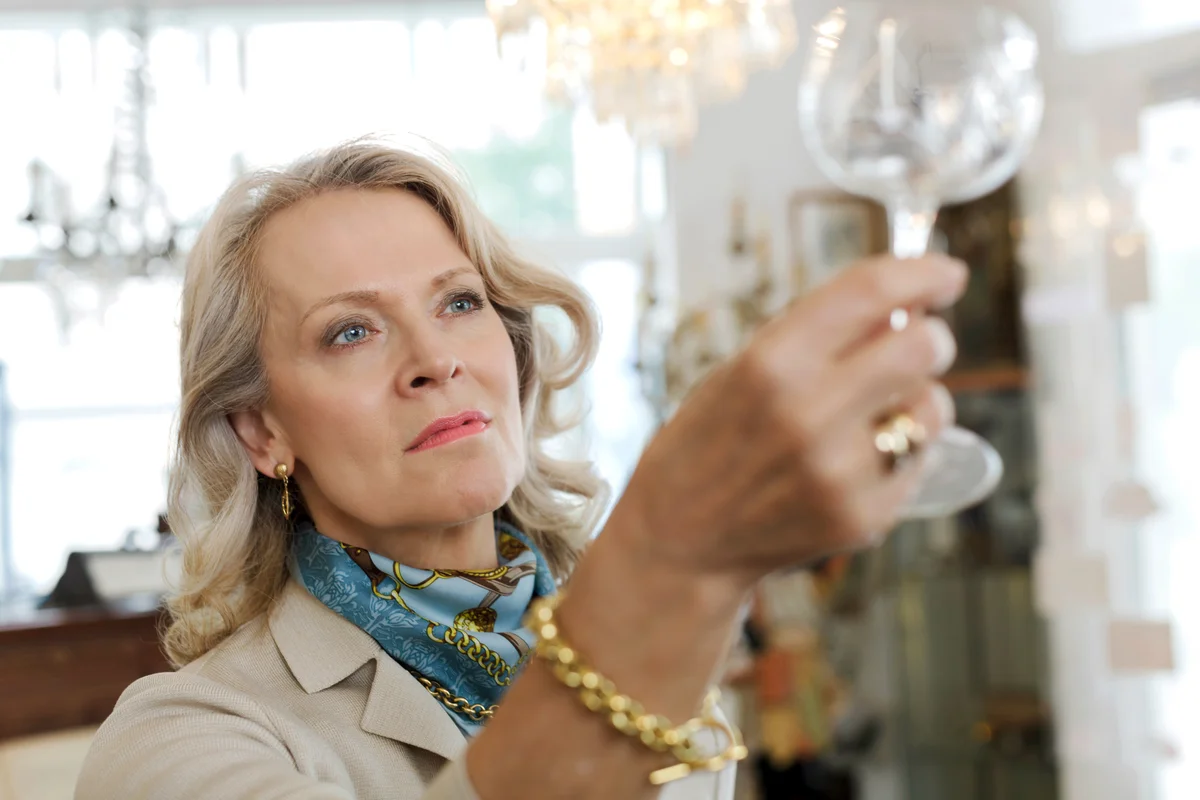
Antique glass feels different from its modern counterpart. It's often heavier. By looking carefully, you can also see some clues that a glass item may be 100 years old or more:
- Pontil marks - Blown glass, as opposed to molded glass, usually has a pontil mark on the bottom. This has a circular shape.
- Bubbles and irregularities - Many antique glass pieces have tiny bubbles or other imperfections in the glass. You may have to look very closely to see these.
- Patina - Older glass usually has a patina of time and use. There may be tiny flakes, missing gilt areas, or small chip and scratches.
Is It Glass or Crystal?
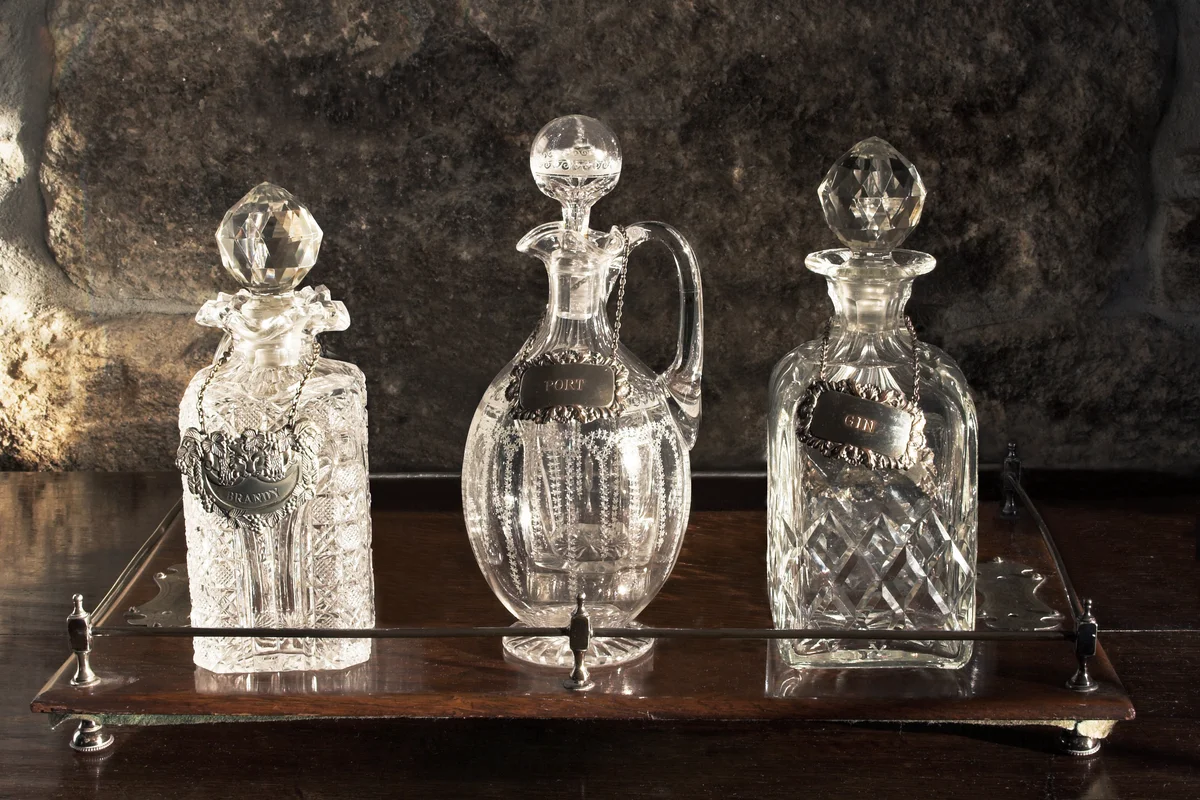
Before you begin to research the pattern of your glassware and other details, take a moment to determine whether you have antique glass or vintage crystal glassware. Technically, crystal is a type of glass that's formed with lead oxide, leading to more sparkle, weight, and shine. There are a few easy ways to tell whether your antique piece is glass or crystal:
- Tap it gently. If it makes a chime like a bell, it is probably crystal.
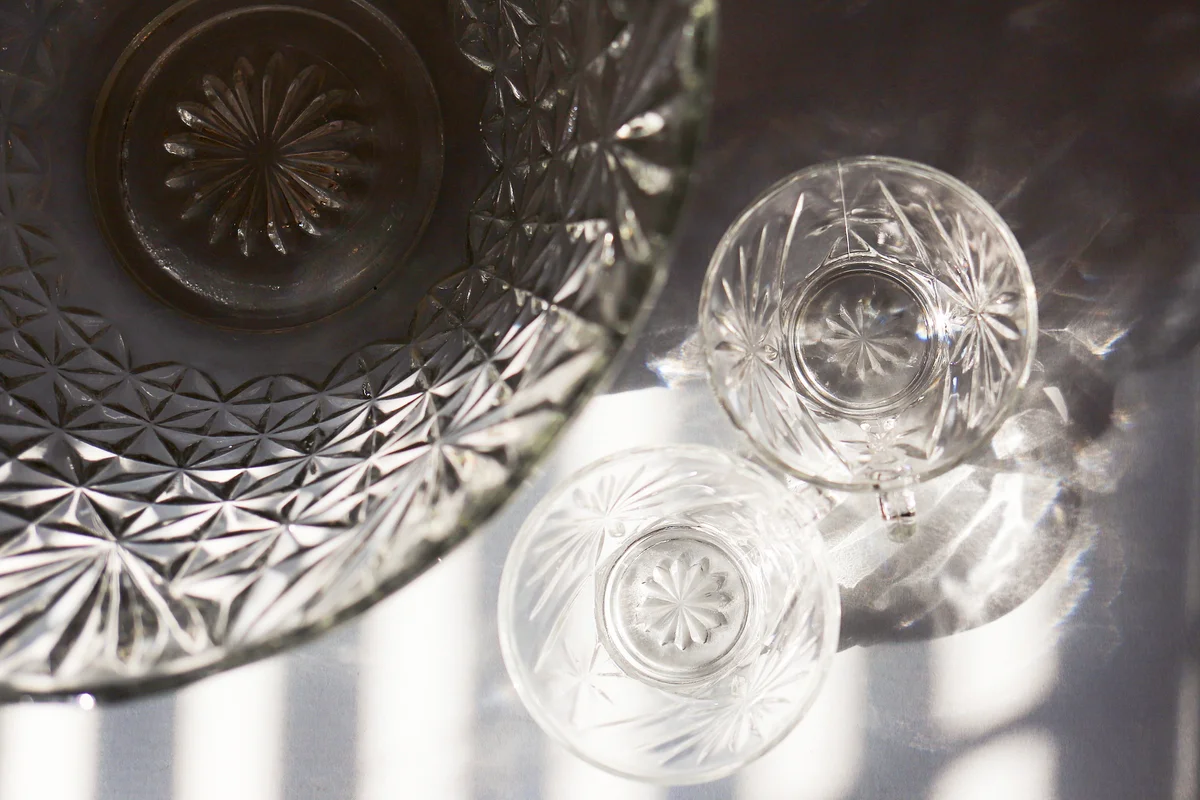
- Examine the cuts or patterns. If they are very sharp and fine, it may be crystal.
- Hold it up to a window or light fixture. If it creates a prism effect, it is likely crystal.
Telling Cut Glass From Pressed Glass
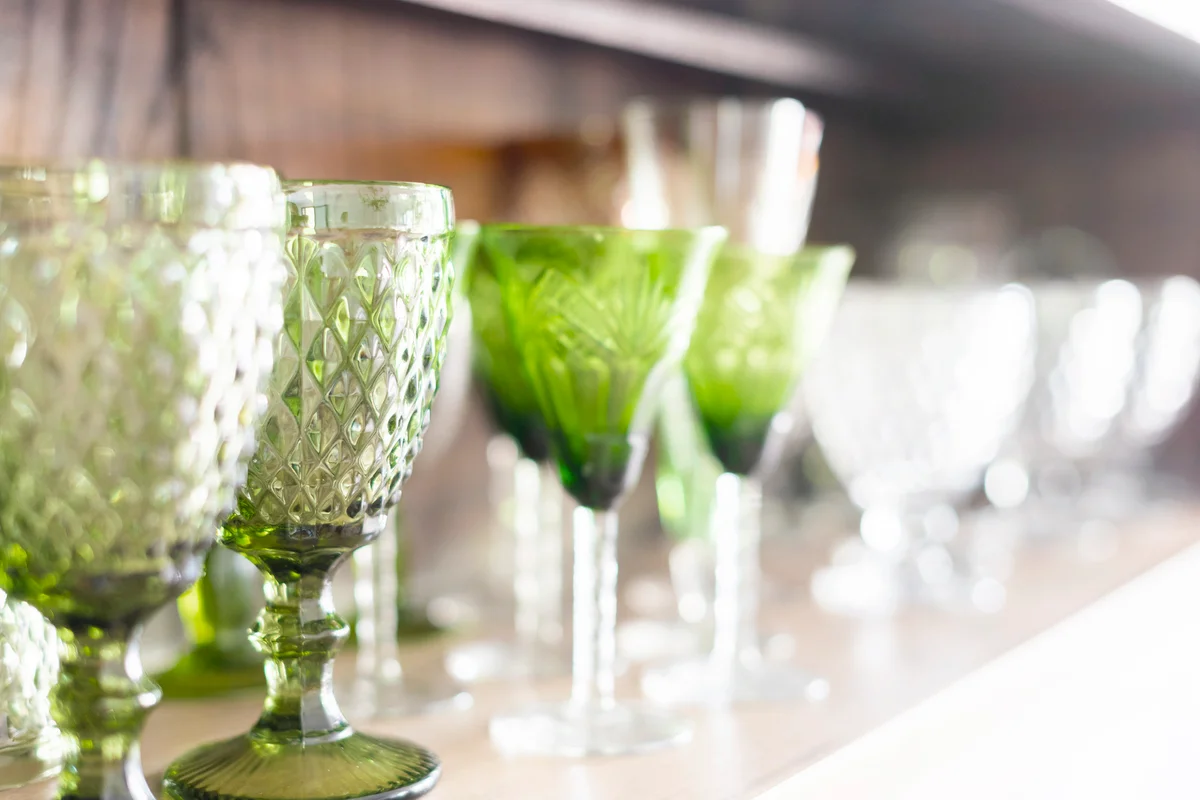
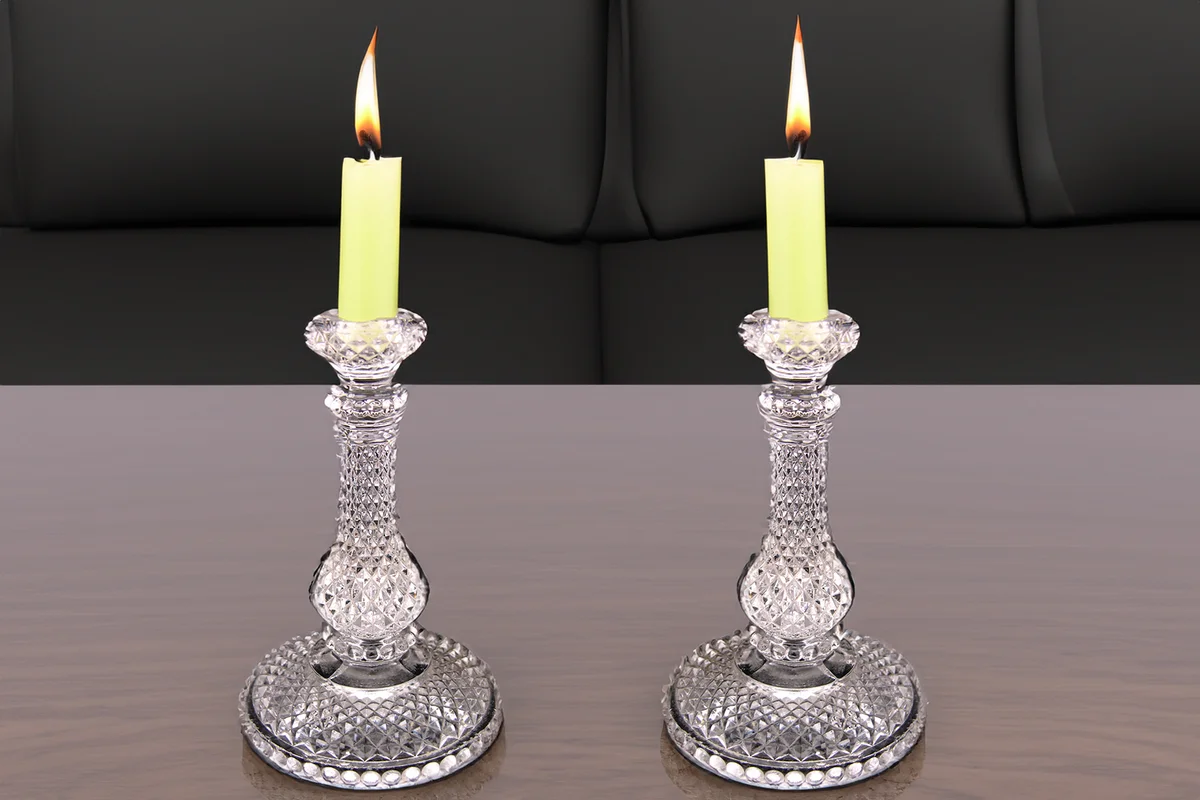
Even if a piece isn't crystal, it may still have the pretty textured pattern of crystal pieces. Manufacturers could create these pressed glass patterns using a mold imprinted with them or by cutting the glass in designs. You can tell whether a piece is cut glass or pressed by examining the points of the pattern. If they are distinct and sharp, it was likely cut. If they are slightly rounded, it's more likely to have been pressed in a mold.
Types of Antique Glass Pieces
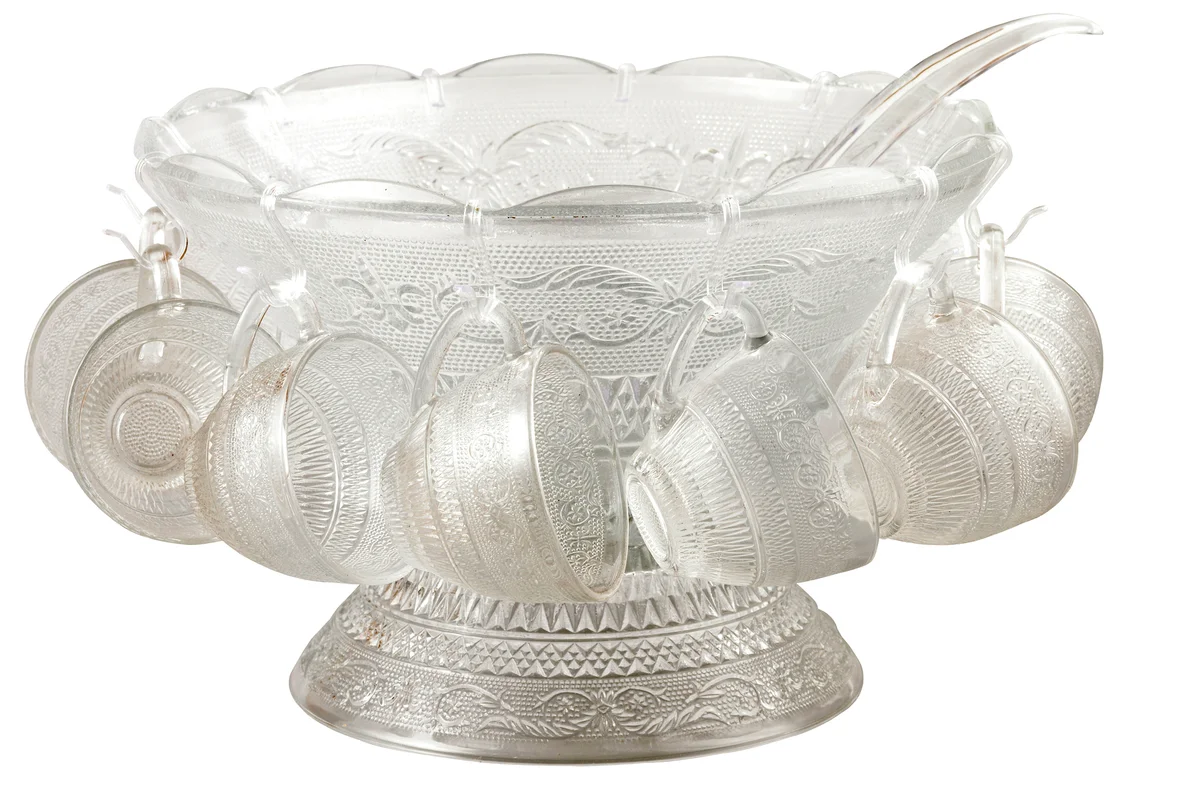
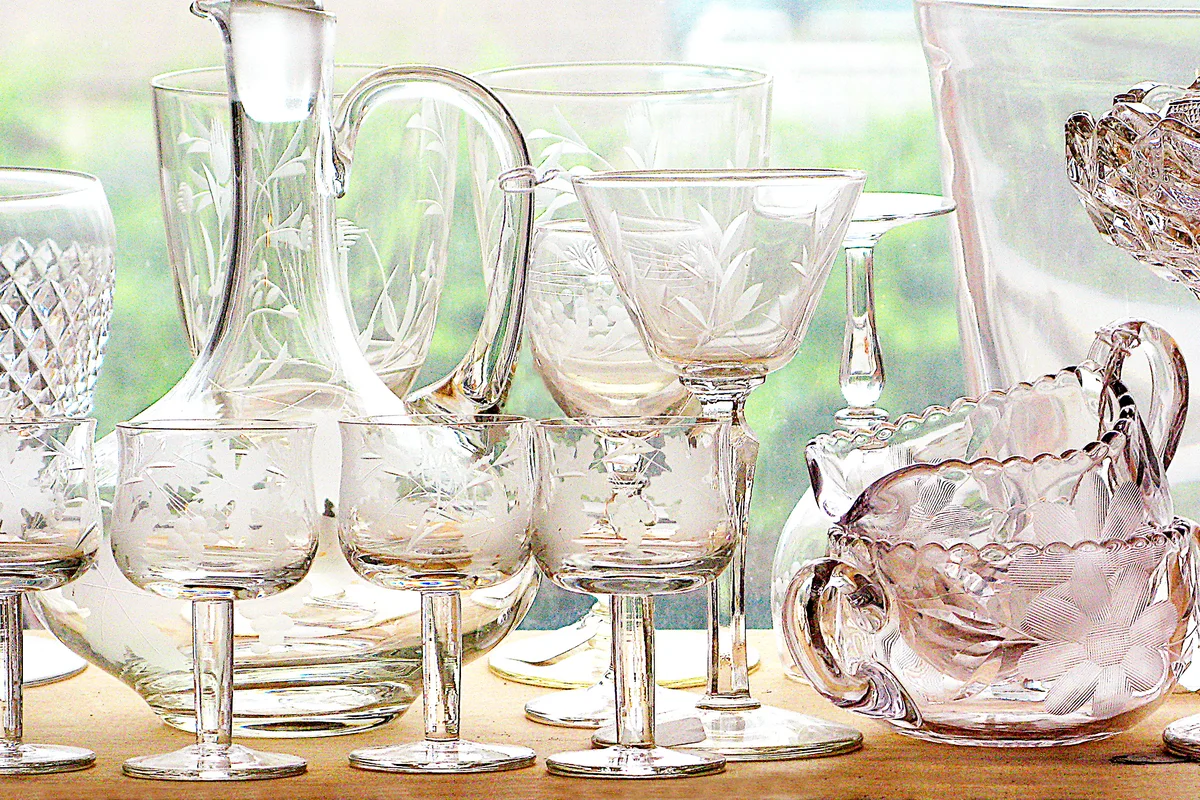
Antique glassware can take many forms, some very surprising. You'll see everything from vases and plates to flower frogs, huge punch bowls, and footed compotes. There's endless variation, and it can be fun to collect one type of item in different styles, colors, and patterns. These are just a few of the types of antique glassware you may see in antique shops:
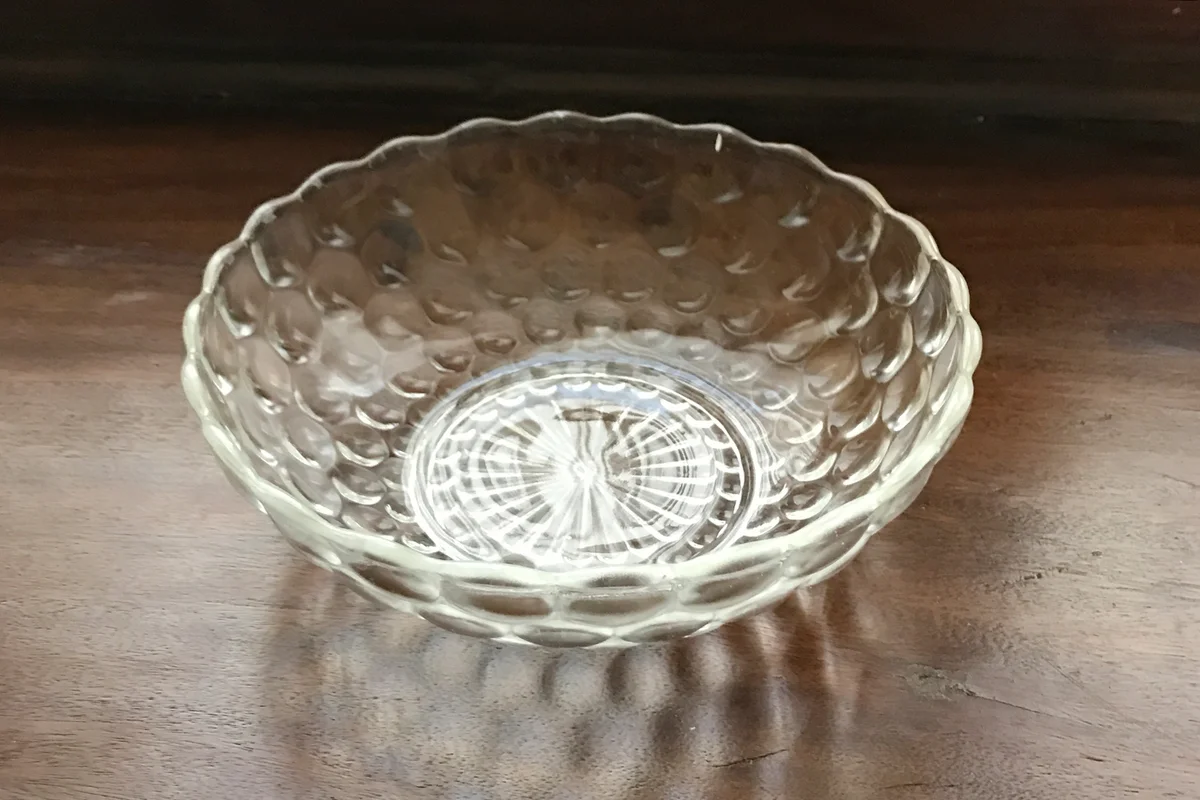
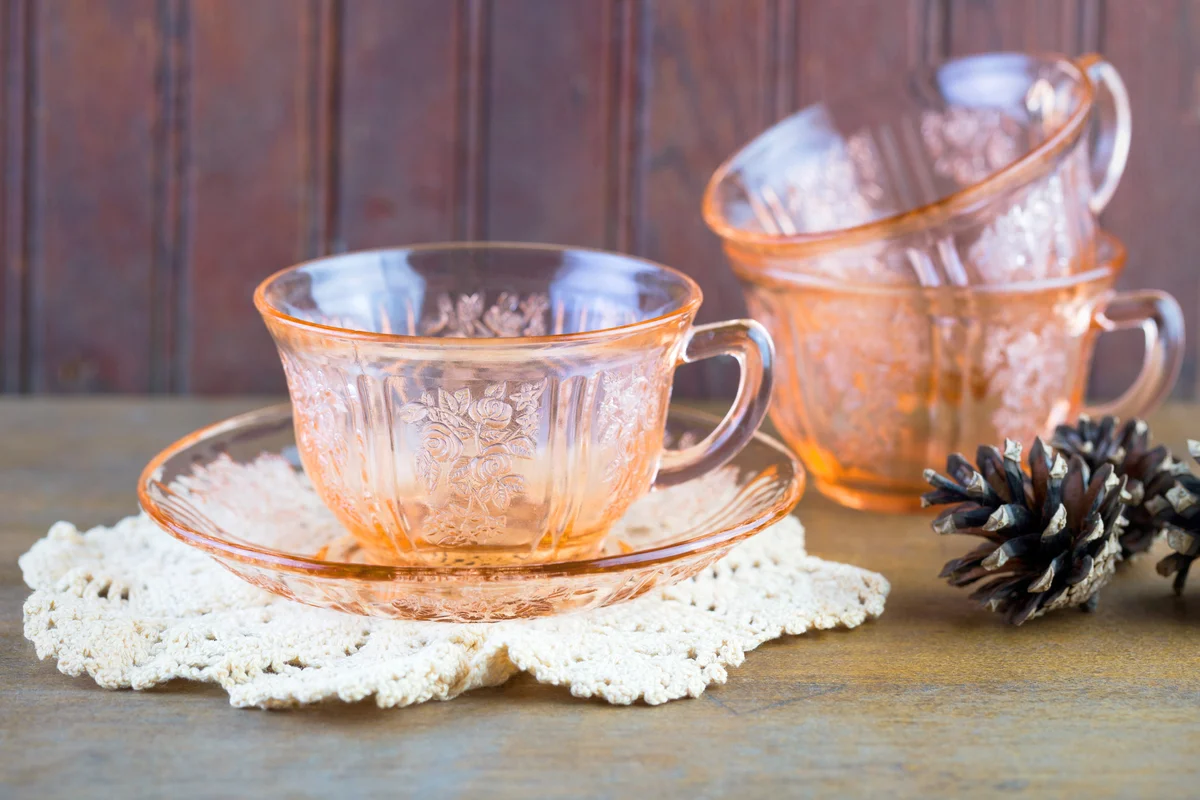
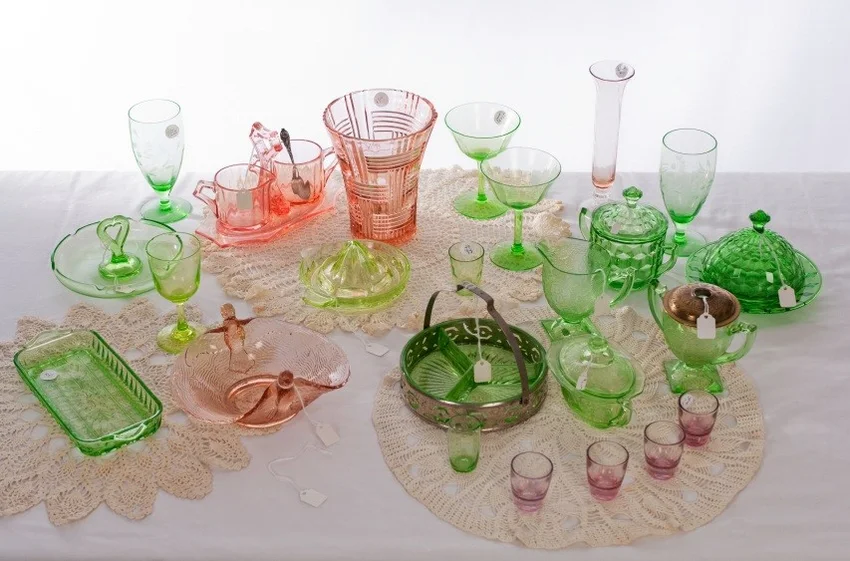
- Depression glass - Popular during the Great Depression, this type of glass comes in lots of different colors, including pink, green, clear, amber, blue, and many others.
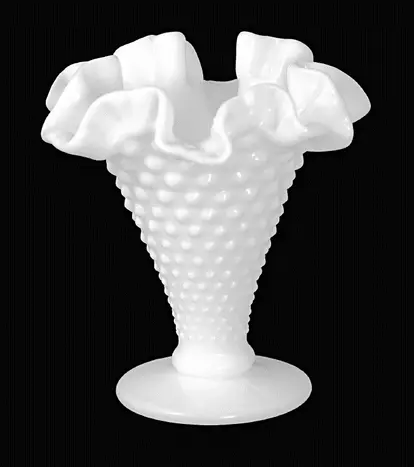
- Milk glass - Milk glass is opaque, and its classic shade is white. You'll also see it in blue, pink, and other colors.
- Carnival glass - Originally given away as prizes at carnivals starting in the early 1900s, you'll also see this collectible glassware from the 40s, 50s, and 60s.
- Art glass - Consisting of one-of-a-kind pieces made by artisans, this type of glassware can be very valuable if you can identify the artist.
Recognizing Antique Glassware Markings

Some pieces of antique glass are marked in ways that can help you identify the pattern, manufacturer, date, and other helpful information. Examine the piece carefully, especially on the bottom or back. Then look up any glassware markings you find to see if they offer clues about your piece.
Popular Manufacturers of Antique Glassware
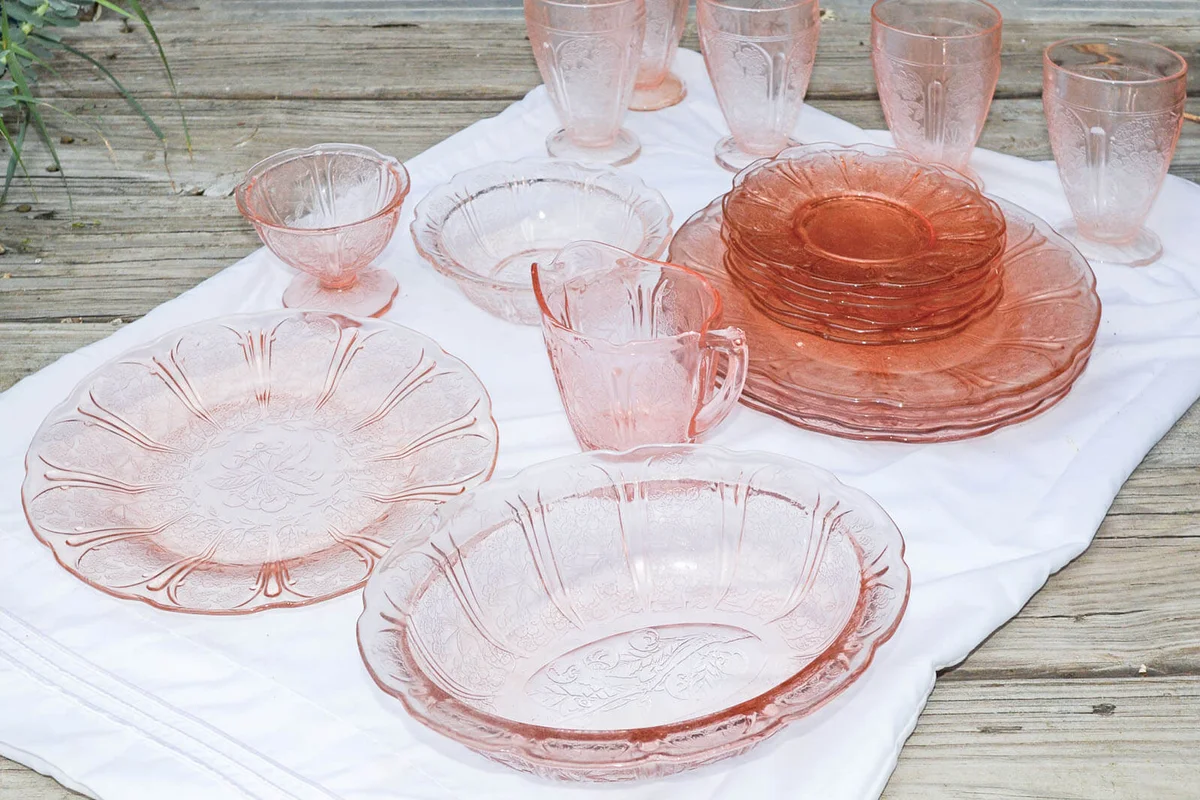
There are dozens of antique and vintage glass companies that you'll encounter if you look at antique glassware in stores or online. These are a few of the most popular:
- Fenton - Founded in 1905, this company was famous for colored glass and quality vintage pieces. Most are marked with a stylized "F" and the company name.
- Hazel-Atlas - Starting in 1902, this manufacturer specialized in machine-molded glass, especially colored Depression glass. Their mark is an "A" under an "H."
- Westmoreland - Specializing in milk glass, hand-decorated glass, and carnival glass, Westmoreland created beautiful pieces for nearly a century starting in 1889. They used a mark that looked like a "W" in a frame for early pieces and an overlapping "W" and "G" for later ones.
Identifying an Antique Glassware Pattern
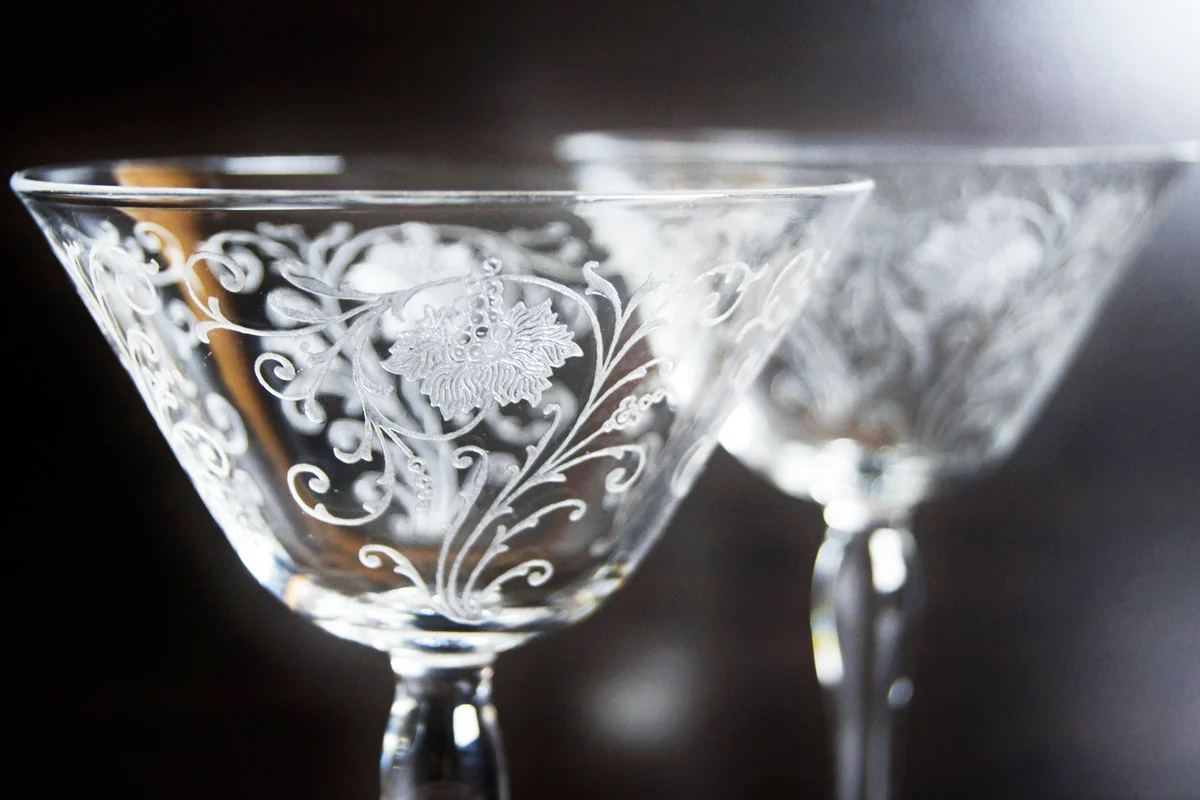
If you can find the manufacturer of your glassware from the markings, you can usually figure out the pattern. Look at the pattern closely and note any special details. You may even want to take a rubbing of it with a crayon and a thin piece of paper. Then start looking for the same pattern online. Check sites that sell antique glassware, such as Replacements, Ltd. You can also look on eBay for glassware by the same manufacturer.
Understanding the Role of Color
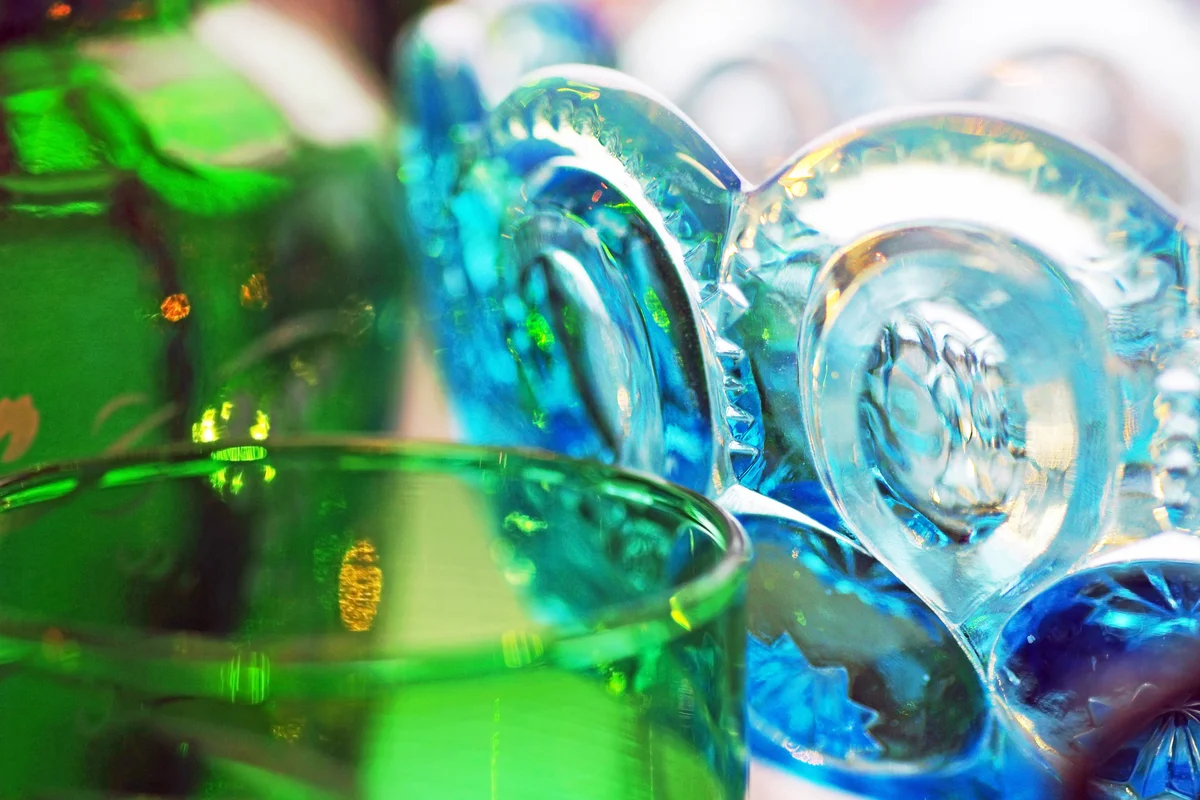
Vintage and antique glassware comes in an entire rainbow of colors, making it even more fun to collect. You can collect a specific type of item in every color or collect a whole set in a certain shade. Either way, it's interesting to know about the many color options and how they are made. These are a few of the most popular:
- Cranberry - Made by including gold oxide in the glassmaking process, this red glass in valuable and beautiful.
- Cobalt - A deep blue color, this glass is created by adding cobalt salts to the molten glass.
- Jadeite - A pale green shade, jadeite often includes uranium.
- Amber - The addition of sulfur to the glass gives it a golden hue.
Determining the Age of Glassware
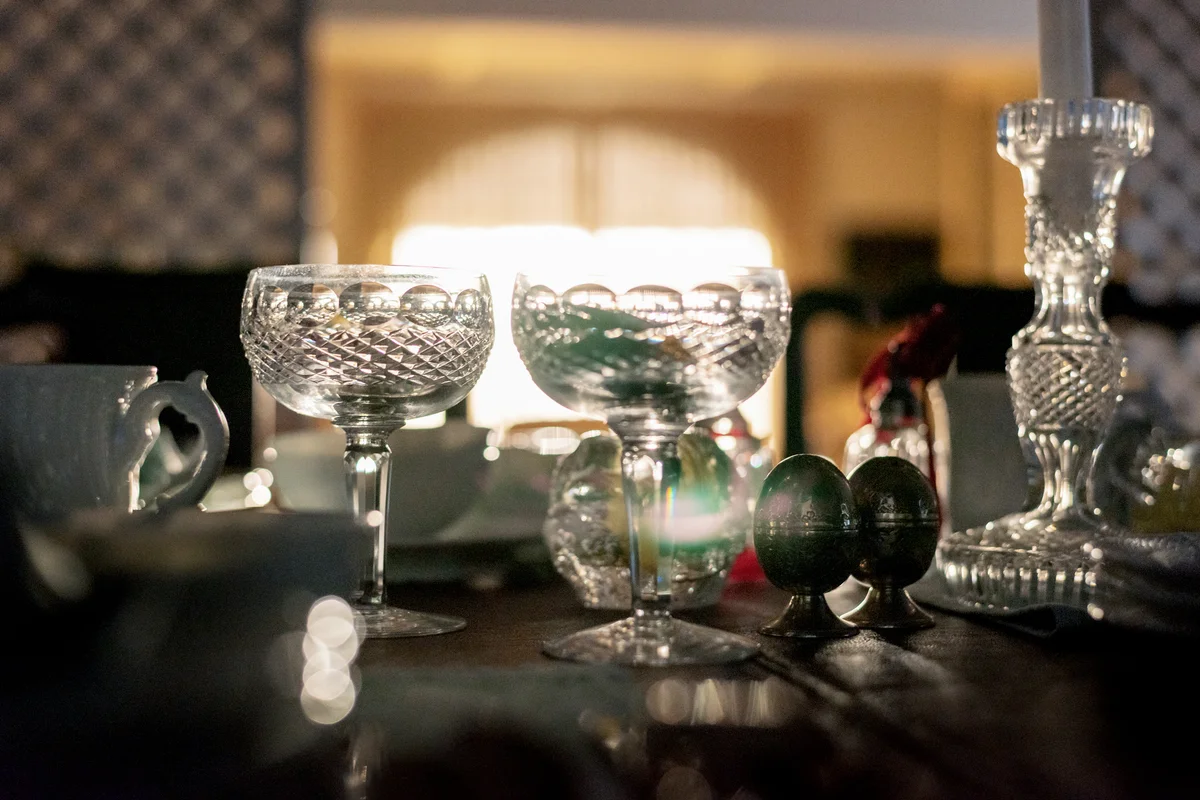
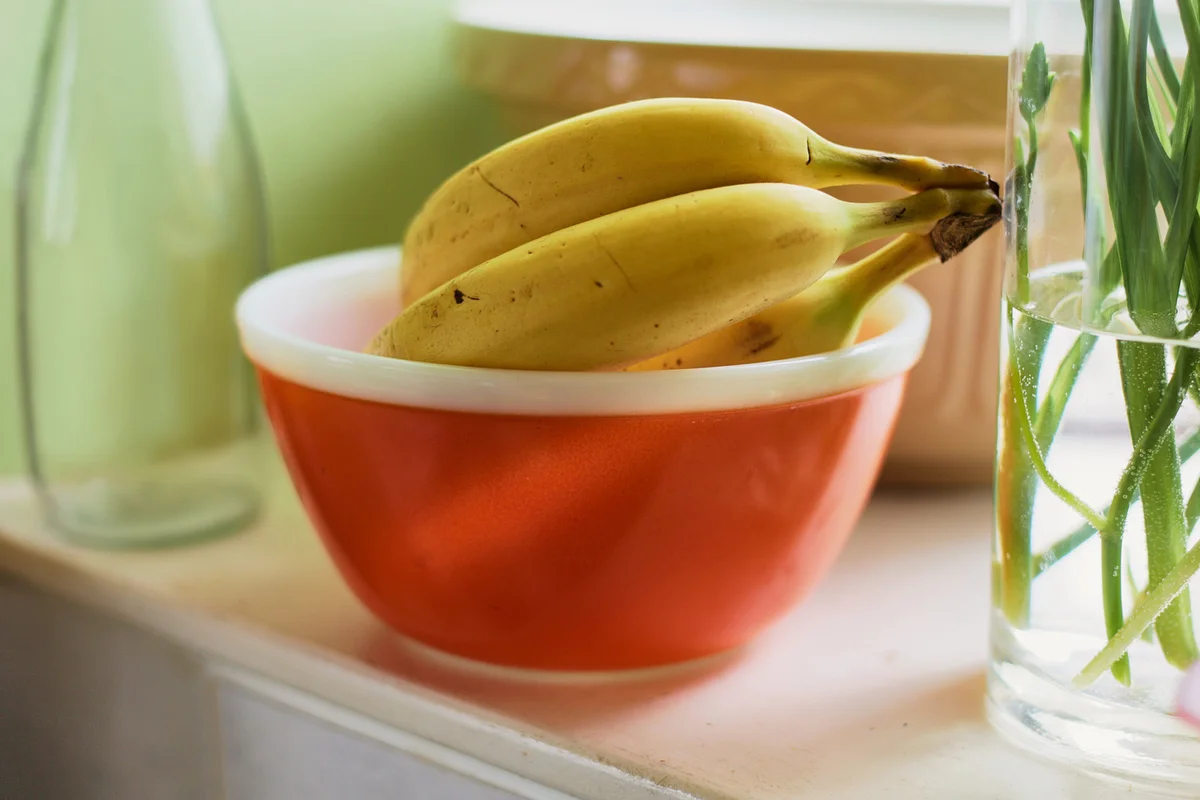
If you can identify the pattern and color of your glassware, you can also get a sense of its age. Manufacturers usually only created a pattern for a certain number of years. If you know a pattern was made in the 1920s through the 1940s, for example, then you know your glass item dates from this era. Pyrex bowls with vintage patterns are fairly easy to identify and date.
If you don't know the pattern, you can also use stylistic details to get a sense of the age. For instance, a piece of Art Deco glass with geometric designs probably dates to the 1930s or 1940s.
Identifying Antique Glassware Worth Money
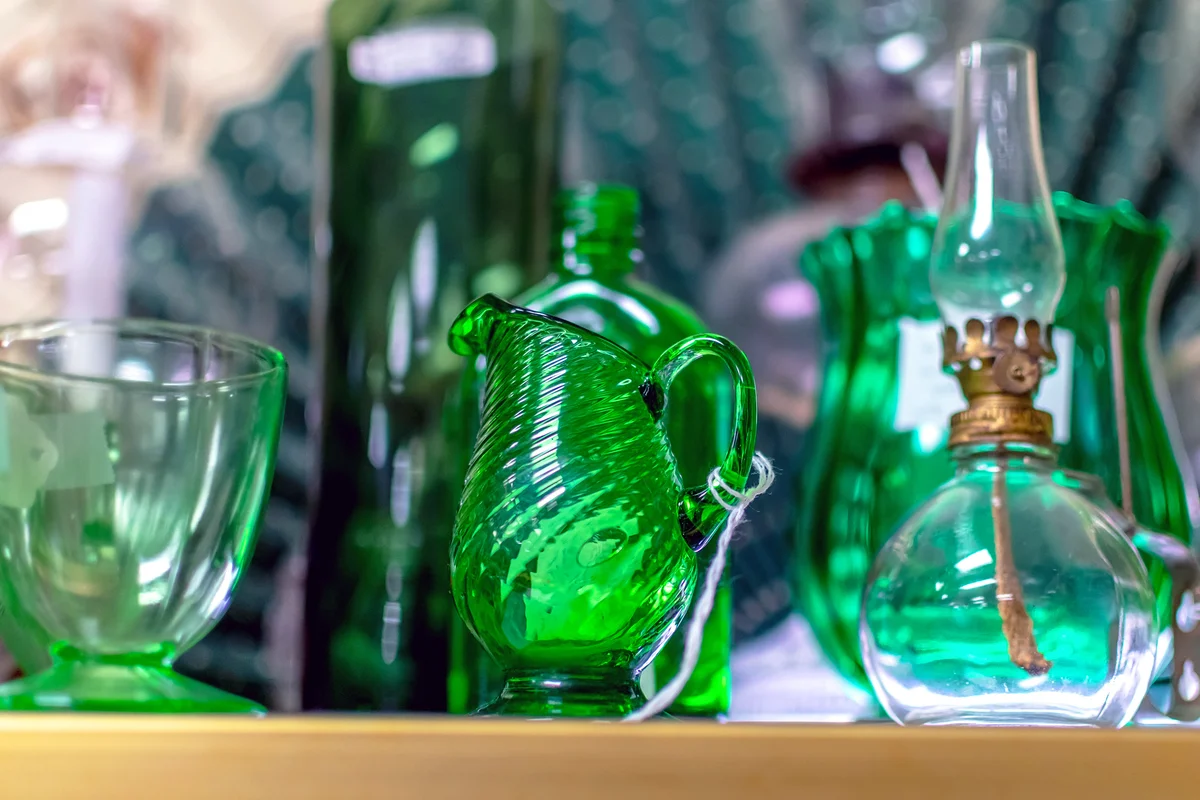
Some piece of antique glass are worth only a few dollars, and others can be worth hundreds. The value of antique glassware depends on several factors:
- Rarity - If there were lots of pieces made in a pattern or color, it's usually less valuable. However, if it's rare, it may be worth money to collectors.
- Condition - A piece with chips, cracks, discoloration, and other damage is worth less than a similar piece in perfect condition.
- Beauty - Although it's subjective, an especially beautiful piece is usually worth more than a less attractive one.
How to Tell if Your Glassware Is Rare
Because rarity is such a significant factor in value, it's good to be on the lookout for pieces that are rare. Look for items with these characteristics:
- Unusual color - Certain shades are more common than others, such as clear, white, pink, and green. If you've never seen a piece in a color, there's a good chance it could be rare and valuable.
- Bi-color - If one piece of glass contains two colors, it can be more valuable than a single shade. This isn't always the case, but it's worth looking into if you have a bi-colored piece of glass.
- Uncommon shape - A piece that doesn't look like anything you've seen before is likely to be rare. Strange handle shapes, unusual items, and other oddities can indicate something valuable.
- Signatures - Art glass is sometimes signed by the artist. A signature can indicate a rare or even unique item.
Finding Pieces to Collect
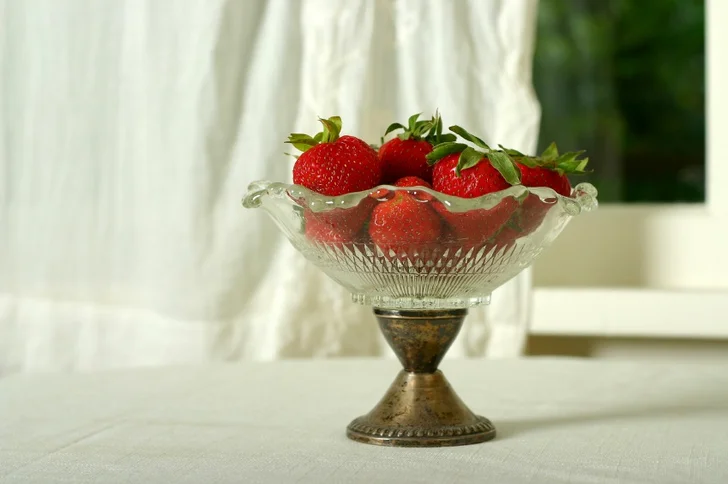
Collecting vintage glassware is a wonderful hobby, and you can shop online or browse the wares in local shops. Some of the best places to look include thrift stores, antique stores, and flea markets, where valuable treasures are sometimes unidentified among the other glassware. Take the time to look at a piece carefully and identify it so you can add some wonderful items to your collection. Next, explore Atlas Mason jar values and learn how to date them.