Sod isn’t cheap, and there’s nothing that can ruin your mood quicker than discovering your new sod turning yellow. Thankfully, you’re not the first person to battle the yellow plague, and all isn’t lost just yet. To revive your dead sod all you need to do is figure out what’s killing it in the first place and treat the root of the problem.
5 Reasons Your Sod is Turning Yellow
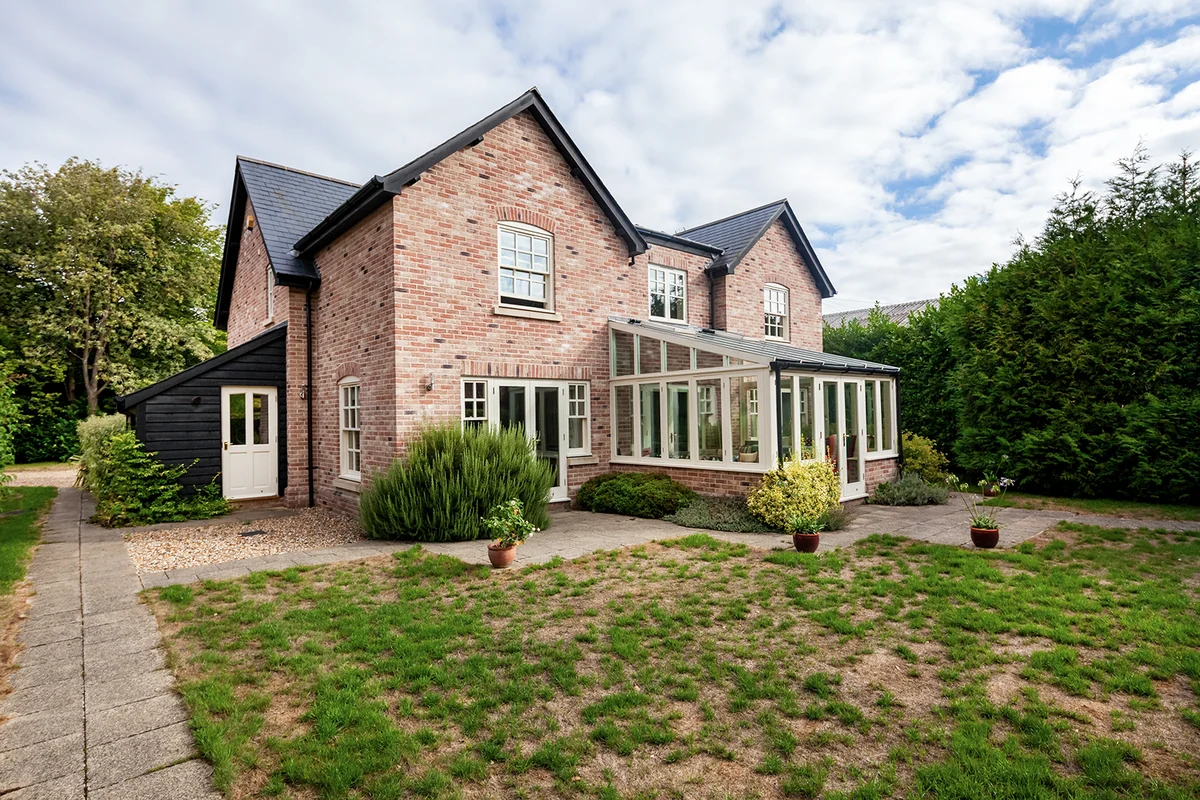
Many people take pride in a lush, green lawn. But when yellow spots start to take over, they don’t know where to turn. But there’s no need to panic. A handful of culprits are usually behind this yellowing. And once you identify which one’s attacking your lawn, you can fight back with a fury.
A few of the most common reasons your sod is turning yellow are:
- Pet urine
- Fungi & insects
- Mowing too quickly
- Poor sod installation
- Being stressed
Best Method for Saving Your Sod From Pet Urine
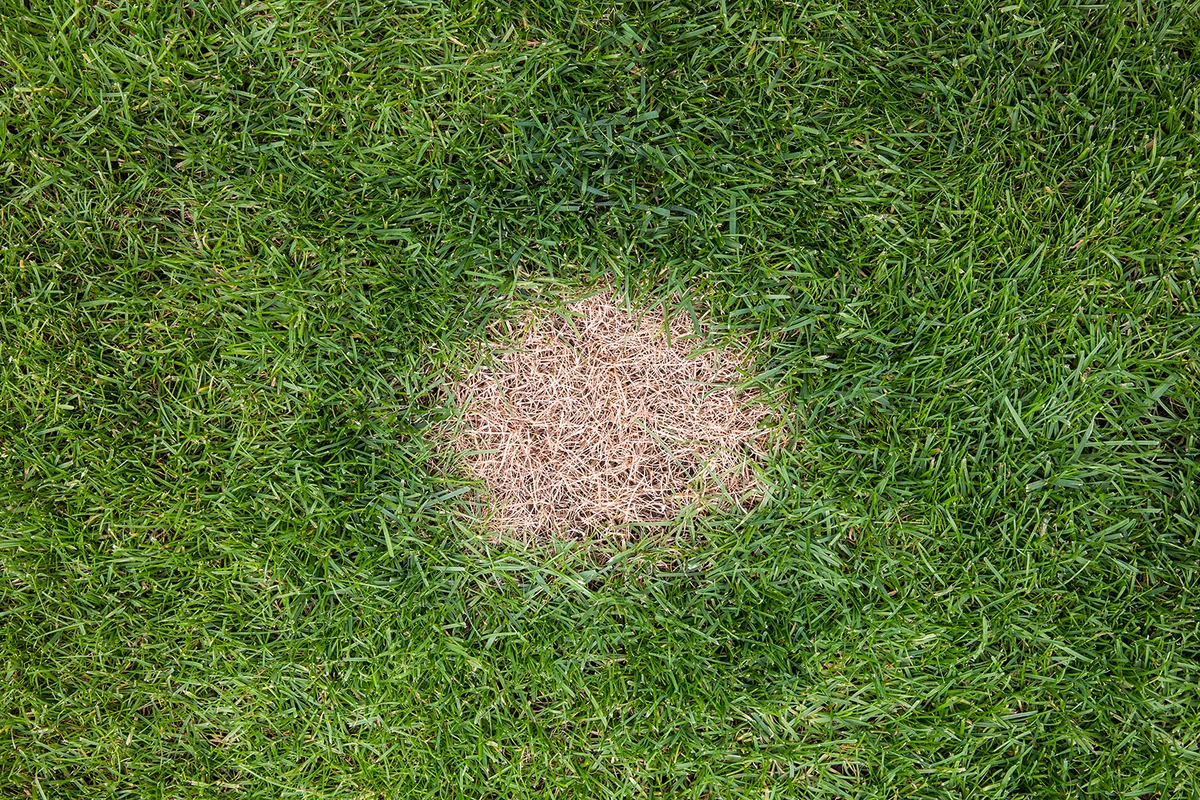
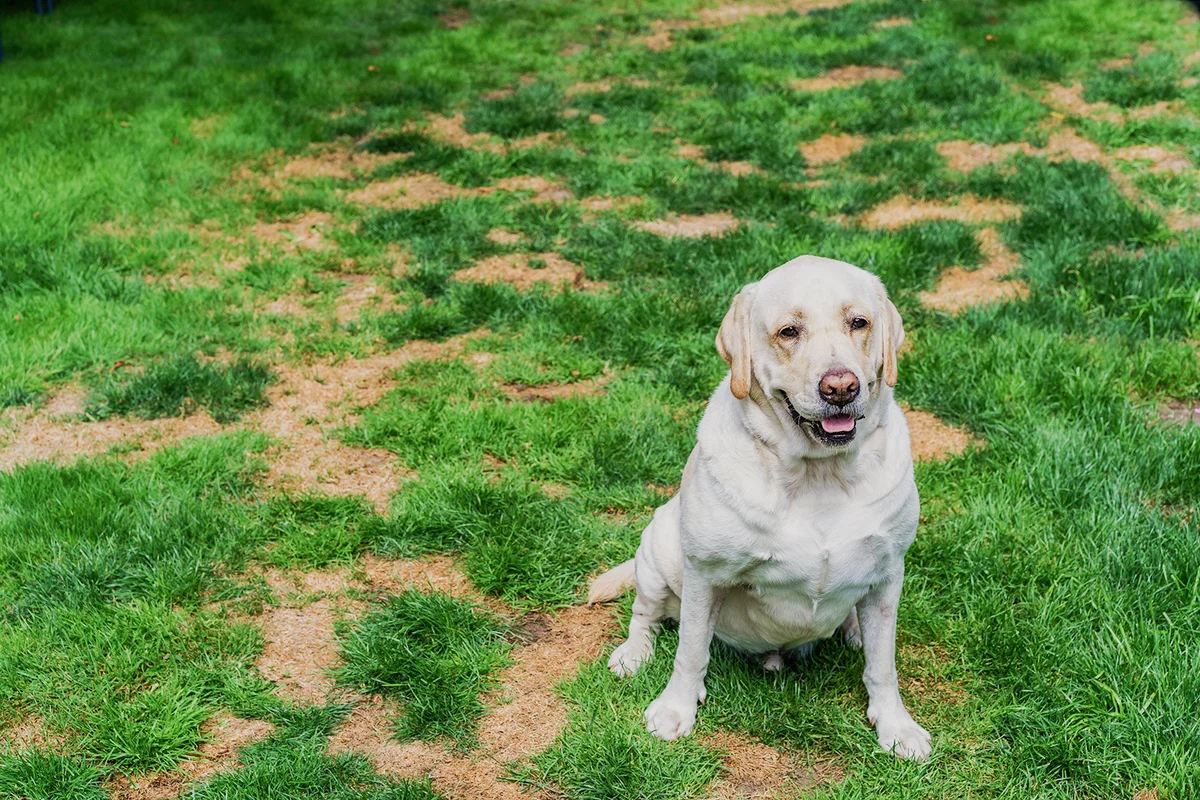
The nitrogen in pet urine can turn your sod yellow and kill it, depending on how often your pet pees in the same spots. Pay attention when your pup’s going to the bathroom and see if it correlates to any new yellow spots.
The best way to stop the yellowing from your dog’s pee is to immediately flush the areas with water. Send your dog back inside and rinse the spot with your garden hose. Over time (you should keep them off the yellowed patches) the new growth should overtake the yellow spots.
And if you don’t have pets, but keep finding these random circular patches, consider putting up a fence to keep other pets from marking their territory on yours.
Best Method for Saving Your Sod From Fungi & Insects
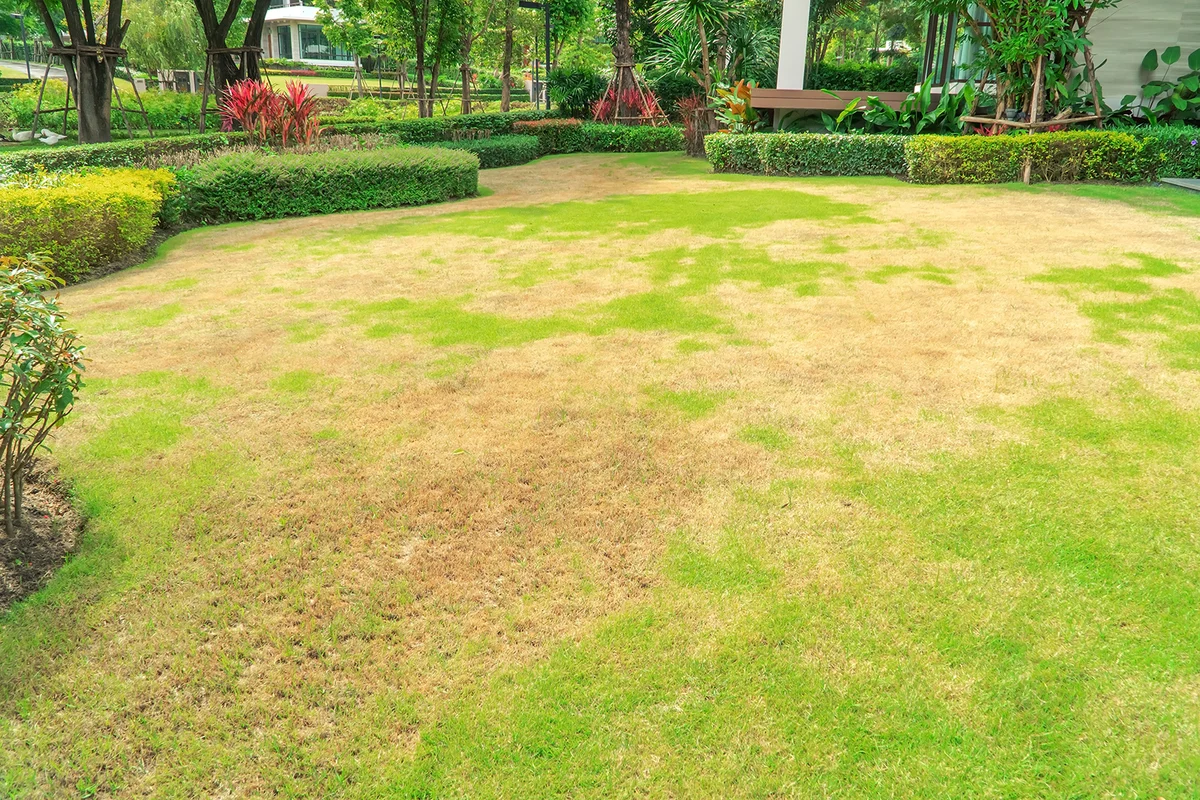
Sometimes, fungi and insects can turn your sod yellow. For example, turf grass rust is a fungal infection that can give your grass a yellowish-orange cast.
Given that every region is plagued with different fungi and insects, the best solution for these potential problems is contacting your local agriculture extension. These are often housed in your local university. They should have detailed information about the common fungal diseases and insects that cause this problem and the best solutions for remedying it.
Best Method for Saving Your Sod From Mowing Too Quickly
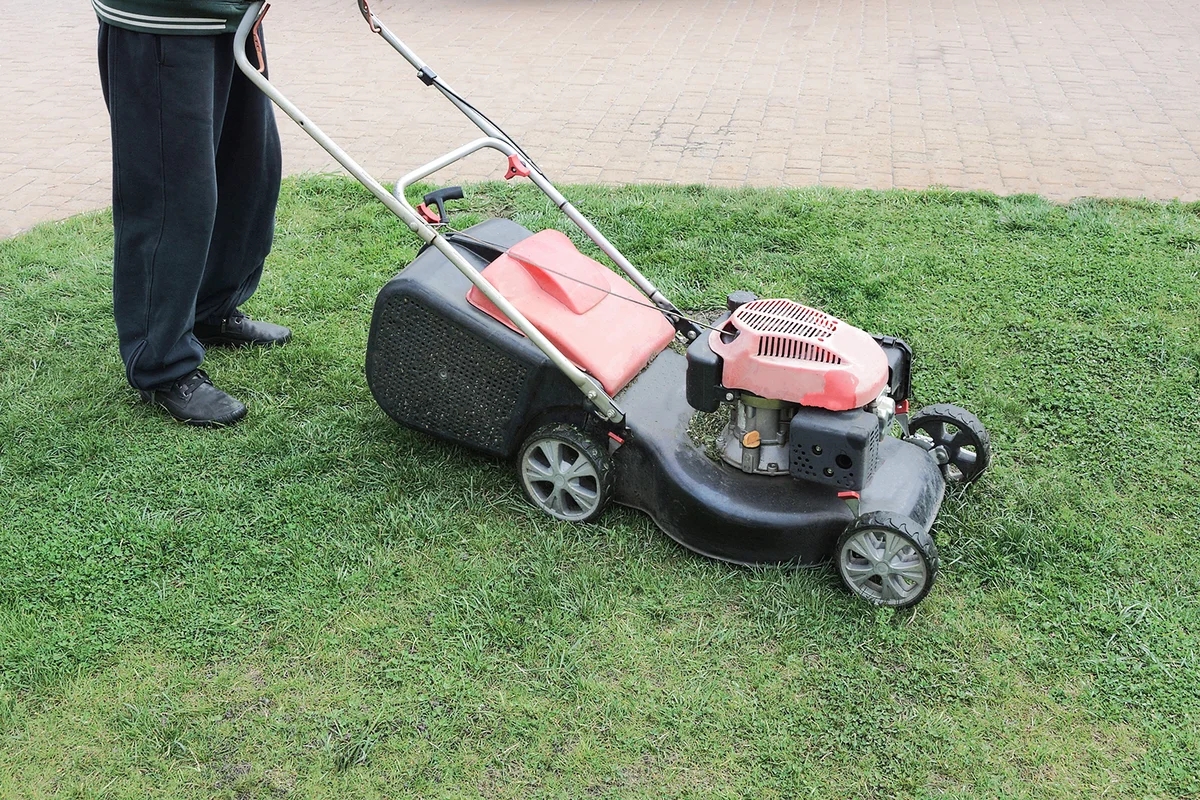
Just because it’s getting sunny outside doesn’t mean you need to crank up the lawn mower. One of the easiest ways to burn your sod is by mowing it too quickly. Not only can this happen if you try to mow too soon after it’s been installed, but also if you try to keep your grass at an improper height for the species.
The best fix for mowing too quickly or too aggressively is giving your sod some time to recover. Break out the sprinkler system and make sure your sod is getting enough water and sunlight to encourage new growth.
Need to Know
Some sods like fescue are meant to be grown tall. Check to see which sod you have to determine if you’re improperly cutting it. And if you want to keep a shorter grass height, consider resodding with something like Bermuda grass.
Best Method for Saving Your Sod From Poor Installation
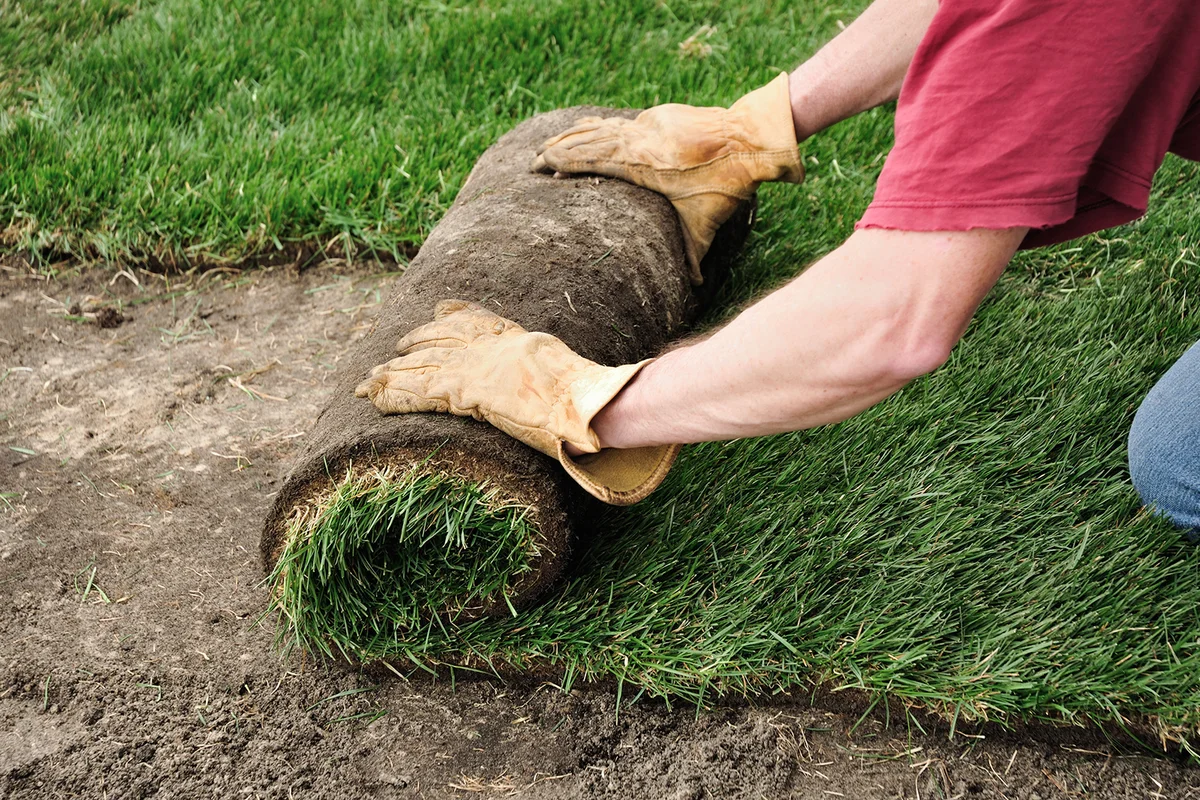
Sometimes, things just go wrong during the installation process. Often this occurs when air pockets get trapped between the sod squares and the ground, preventing the roots from grabbing hold. The result is that they dry out and die.
If you recently had sod installed by a third-party, then take as much photo and video evidence as possible and follow up with the supervisor to see what they can do.
Quick Tip
Always track your sod’s progress in the early weeks after installation. The more concrete evidence you have of the yellowing progression, the better chance you have to get it corrected free of charge.
Best Method for Saving Your Sod From Being Stressed
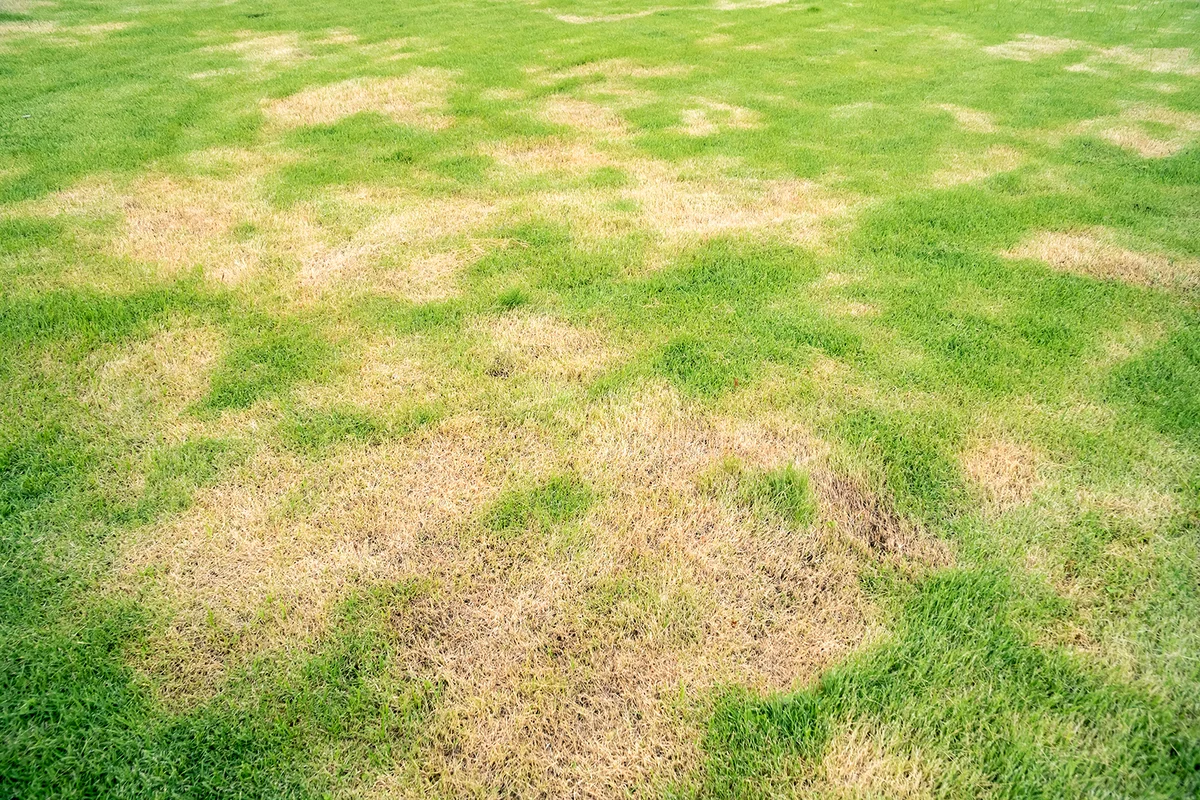
Guess what? Sod can get stressed out, too. It may sound a little too sci-fi for some folks, but there are multiple stressors that can lead to yellow sod.
- Weather: Hot temperatures and low precipitation can make your sod suffer.
- Dehydration: If your sod isn’t getting enough water, it’s going to yellow.
- Frequent foot traffic: Animals and kids playing in the yard for years on end can lead to worn, stressed patches in your sod.
Typically, the best way to fix these problems is with an intense watering schedule. Start by soaking your yard for an hour every day. If you find pools in your backyard or the sod is squishy when you step on it, it’s time to cut back. Over time, the sod should bounce back.
Fast Fact
According to SodLawn, the most effective time of day to water your lawn is around 3 am to 4 am because of the low temperatures and lack of sunlight.
We’re Not so Mellow About This Yellow
Donovan had it right when he sang, “I’m just mad about saffron.” Having your sod change to that goldenrod yellow color can turn an otherwise happy afternoon into a sour one. Reclaim your outdoor space by reviving your dead sod with these thorough measures.