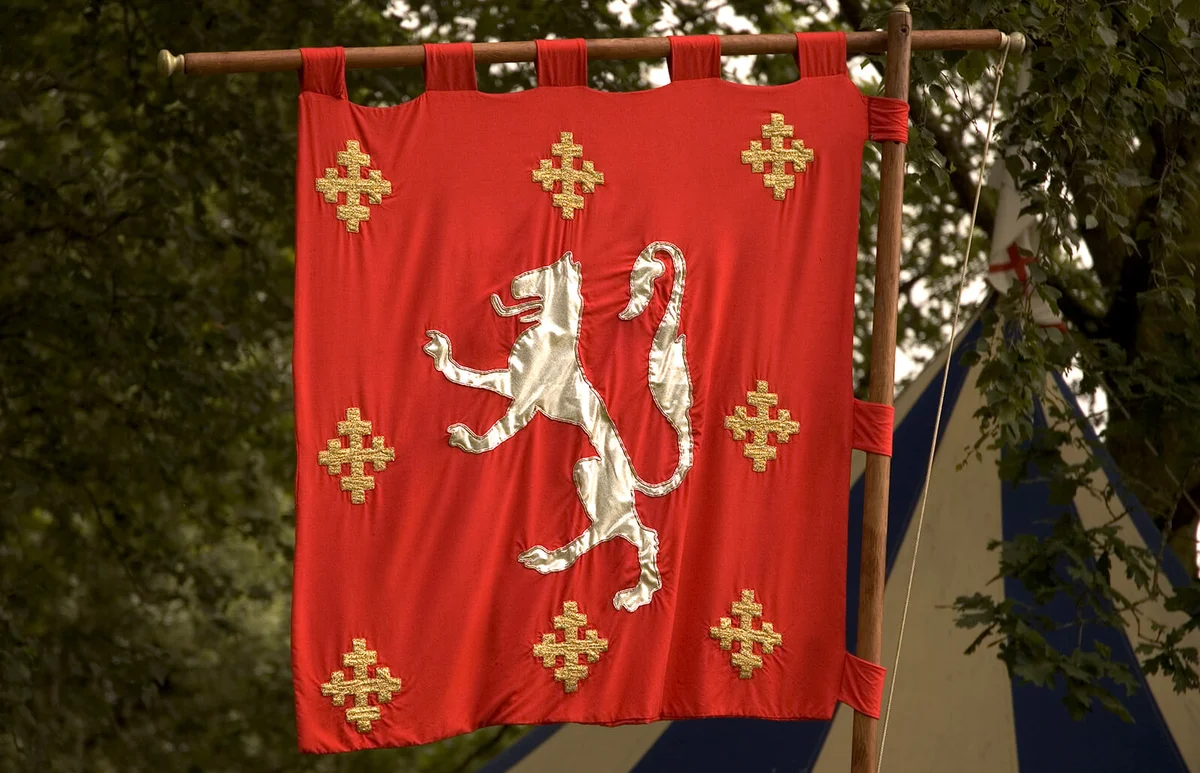
Since the mid-1100s, heraldry symbols have been used to customize a coat of arms or crest to an individual. The symbols are carefully chosen to depict specific personality traits and goals. There are hundreds of variations, but the following are some of the most significant examples, according to English Heritage and Coat of Arms Database.
Not sure what your family's crest looks like? Here's how to find yours.
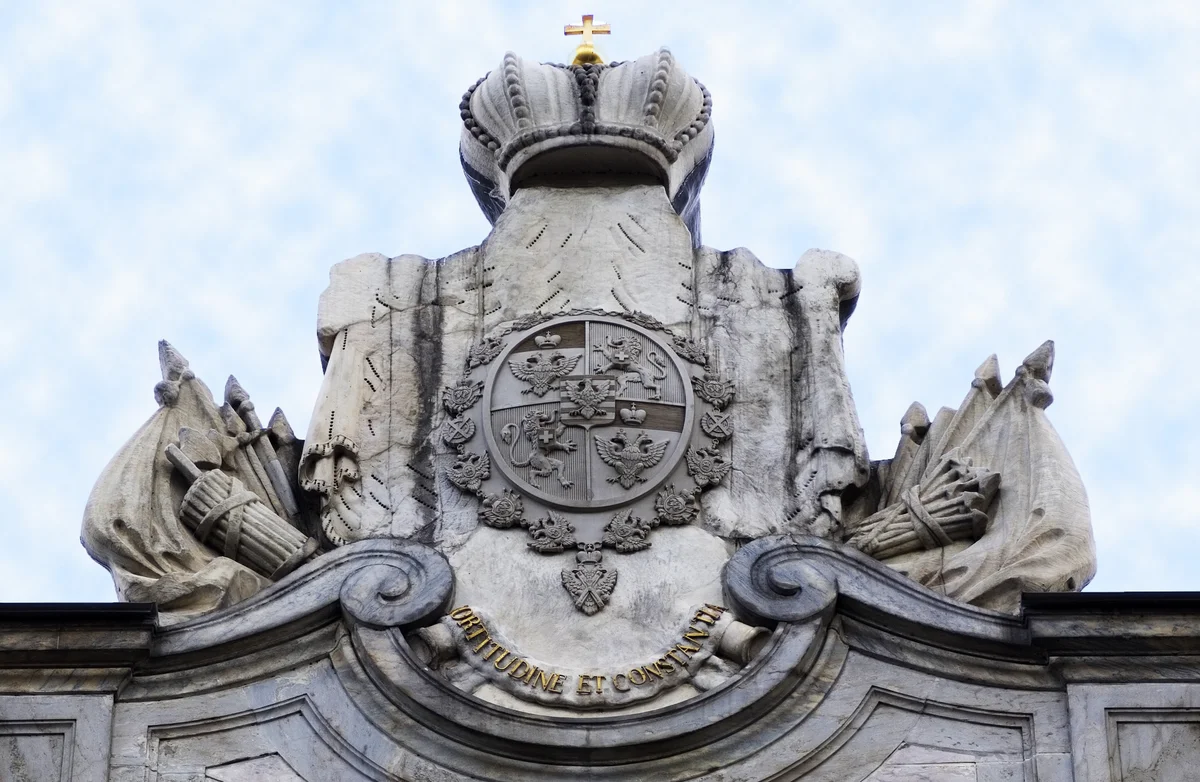
Crowns for Authority
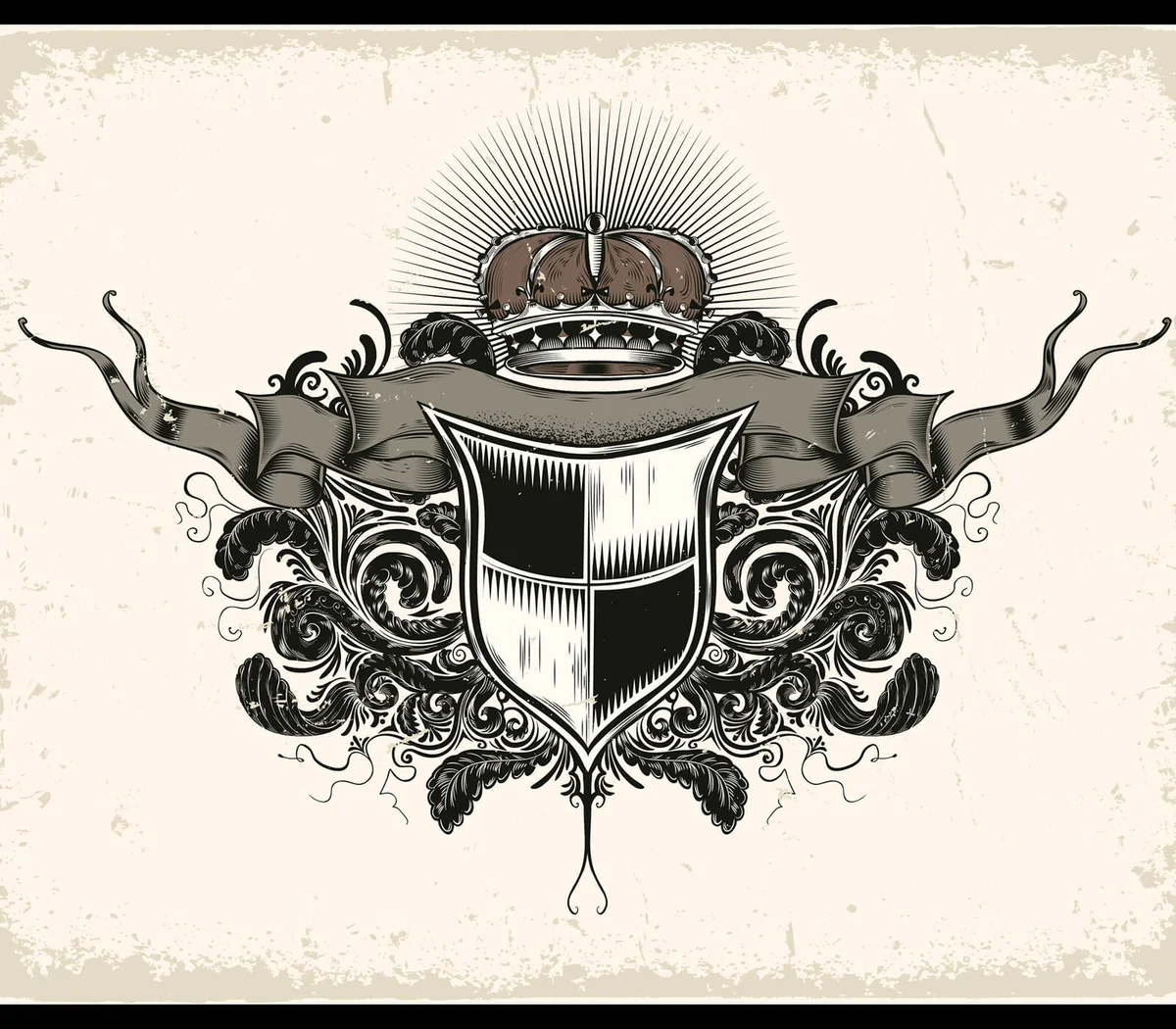
A crown is the symbol for royal authority. The actual symbol used can be a simple crown or it can be a very elaborate crown. Frequently, the crown will also have a cross at the top depicting the position of head of the church.
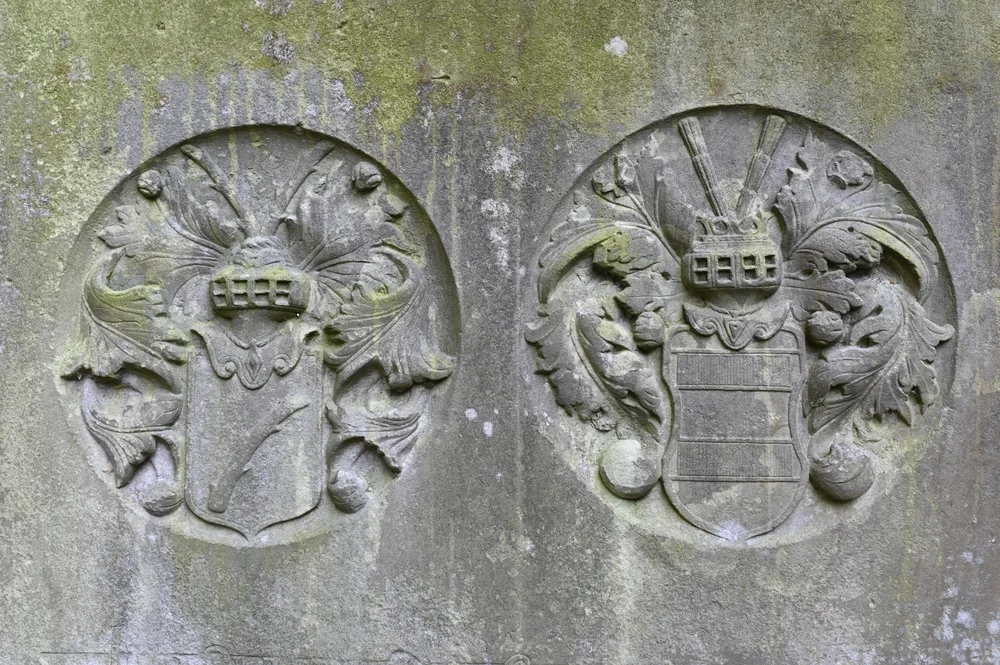
Helmets for Protection
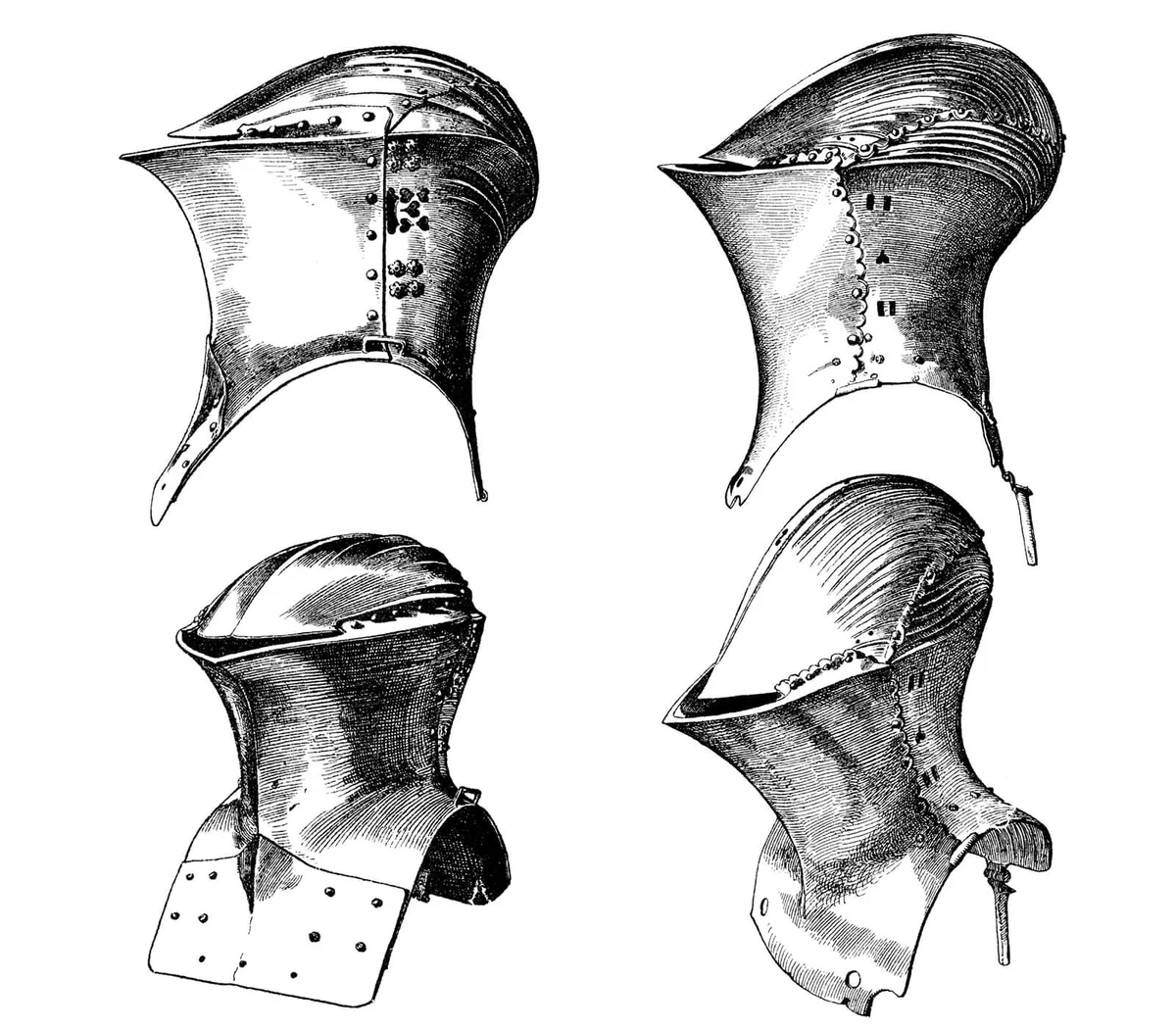
A knight's helmet was a key piece of the knight's protection during a tournament. The helmet is frequently seen as a symbol of invulnerability during life, and it may appear on the crest portion or top of the coat of arms.
Spear or Spear Head for Battle
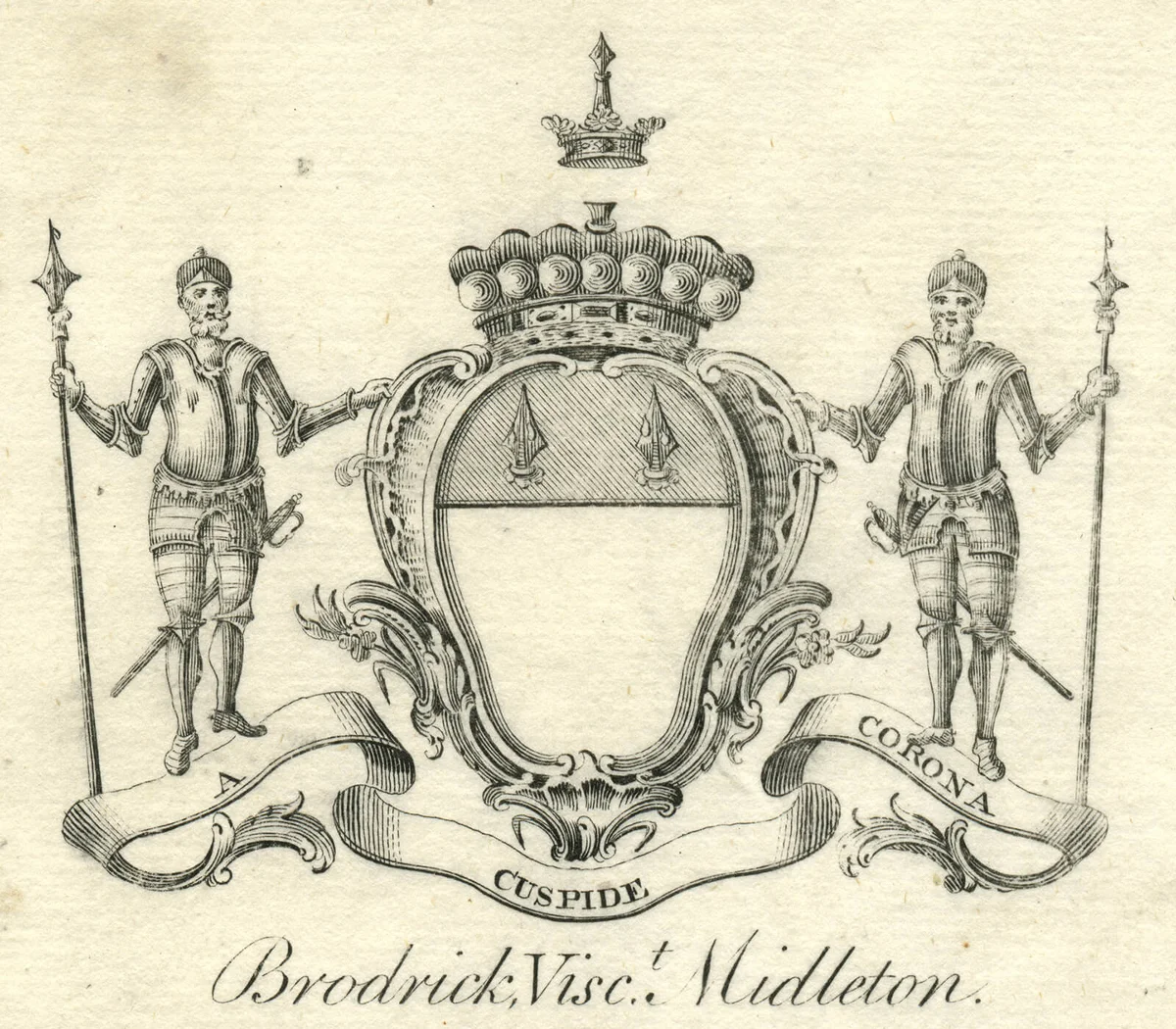
The spear or spear head often appear on heraldic images, and these weapons may signify readiness or skill in battle. They often appear in conjunction with other weapons or with knights and figures.
Laurel Leaves for Peace
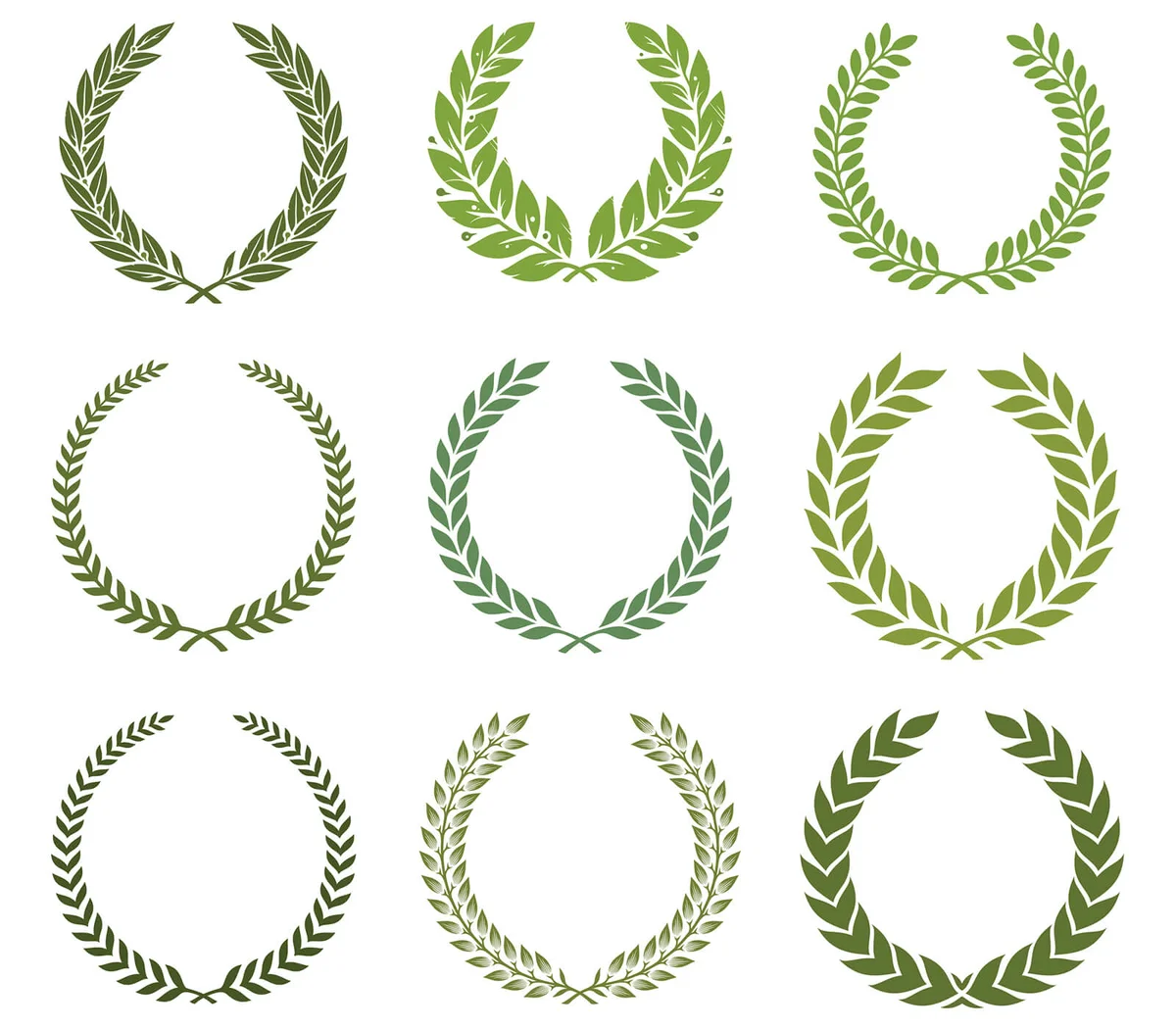
A wreath of laurel has traditionally depicted triumph and was used in the early Olympics as a sign of victory. The laurel leaf also is the symbol for peace and is frequently seen in the logos and signs of peace-oriented organizations.
Stag's Head for the Hunt
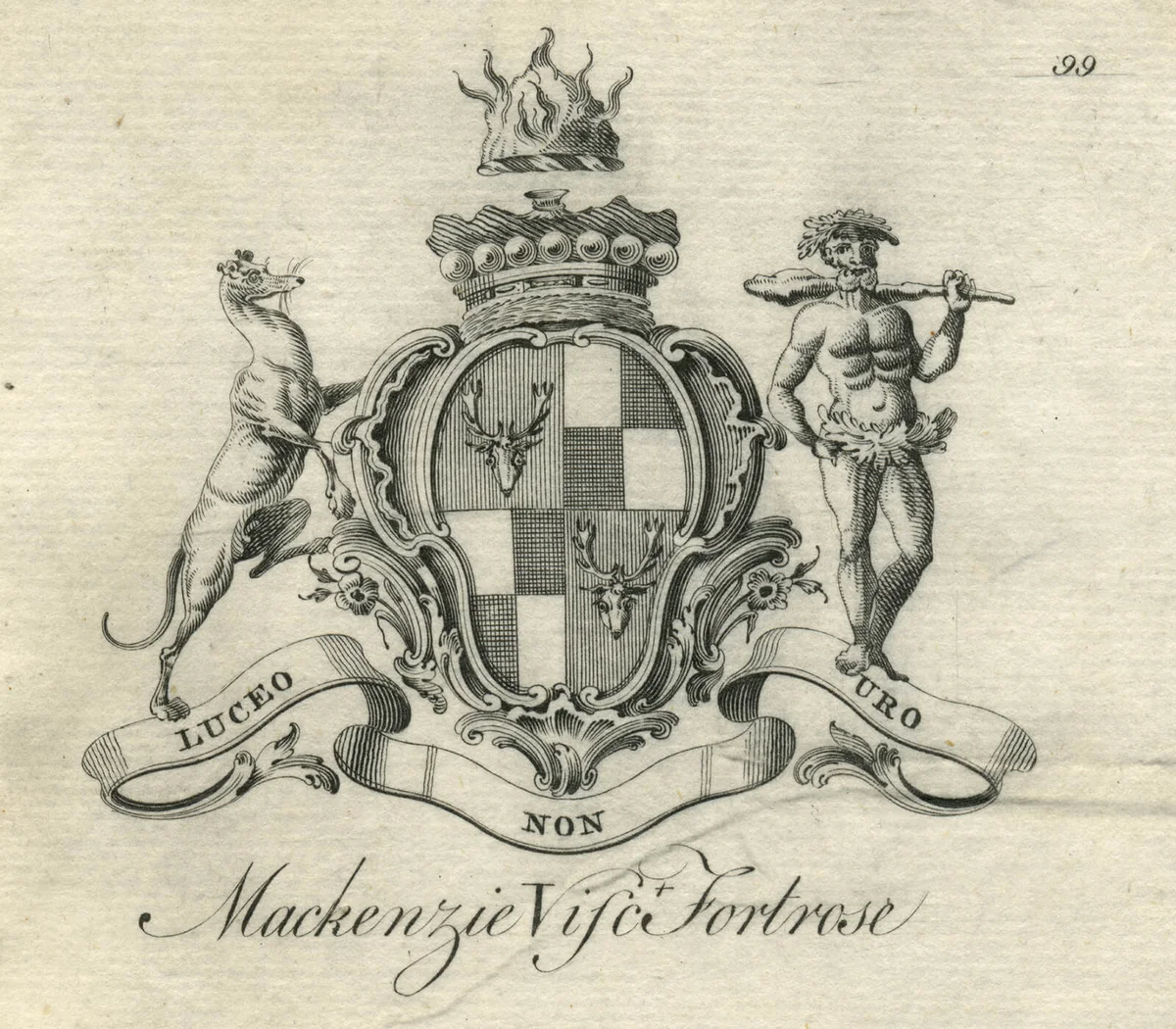
Symbolizing the pleasure of the hunt or the skill of the hunter, the stag's head appears on many coats of arms. It's also common to see the entire stag.
Bird for Strategy
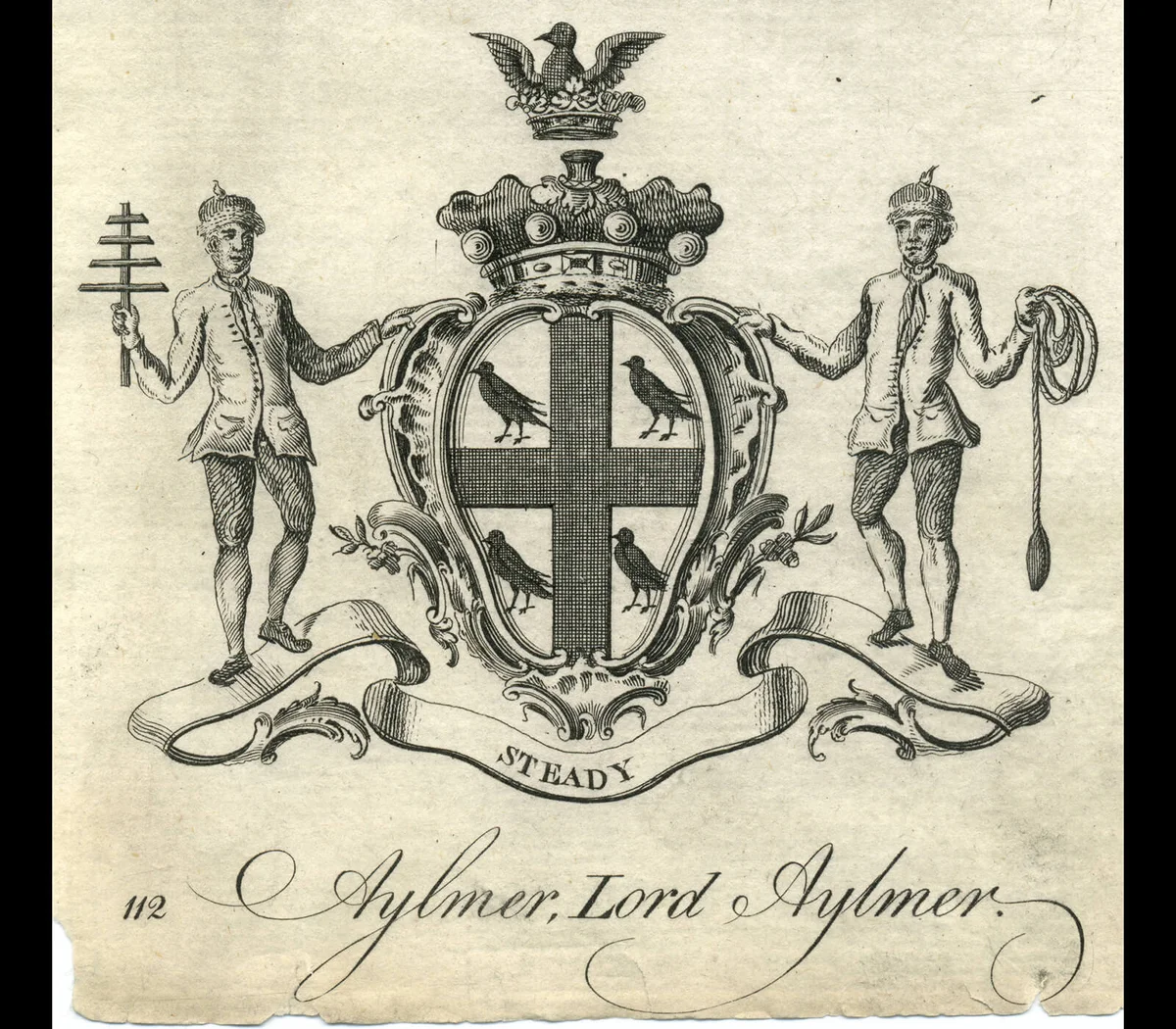
Many different types of birds can appear in heraldry, including crows, storks, herons, and others. These can represent the ability to take a "bird's eye view" and strategize, but they can also take on species-specific meanings as well.
Sword for Justice
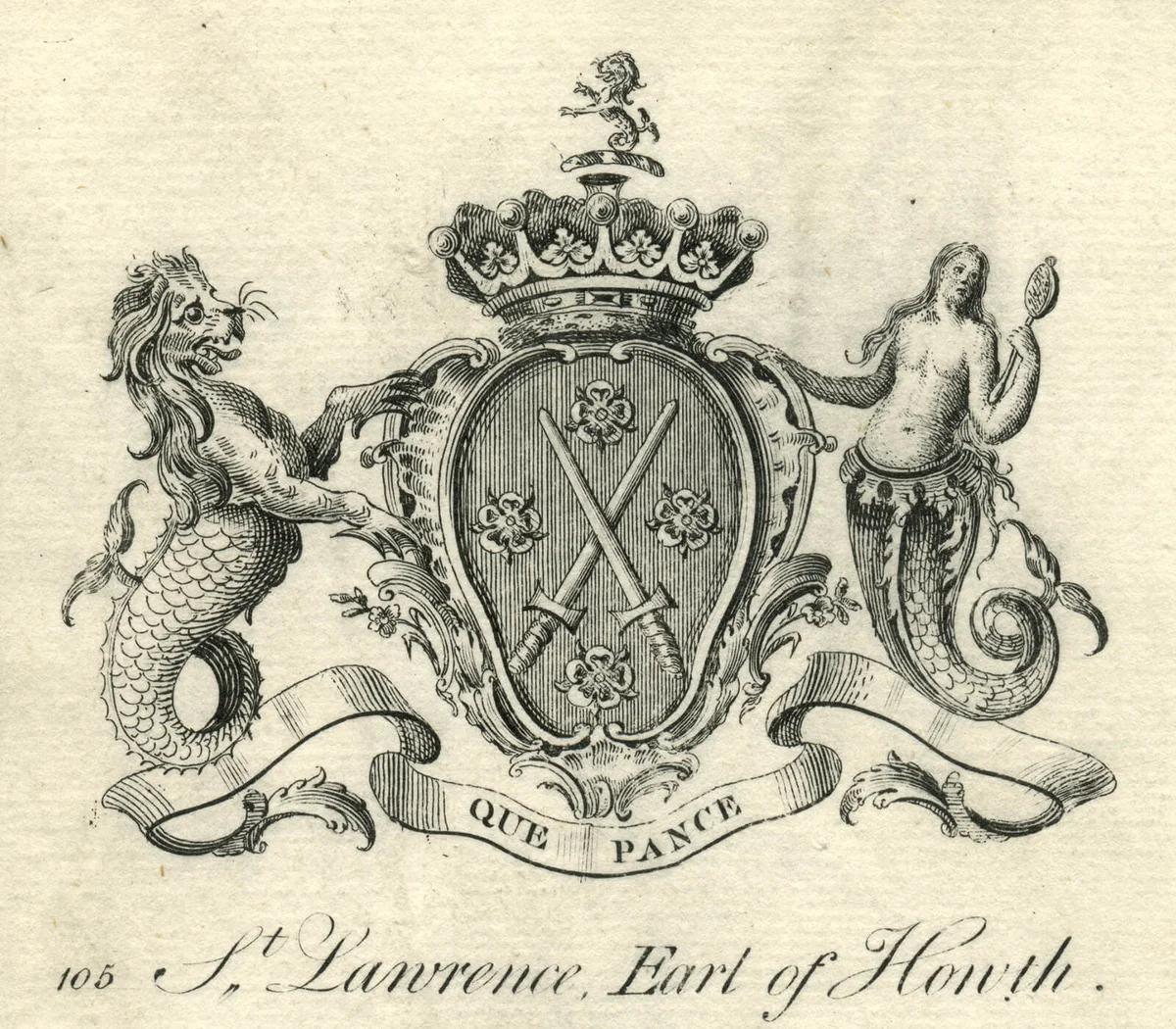
Swords appear on many coats of arms. They are a powerful battle weapon and also represent justice.
Angel for Honor
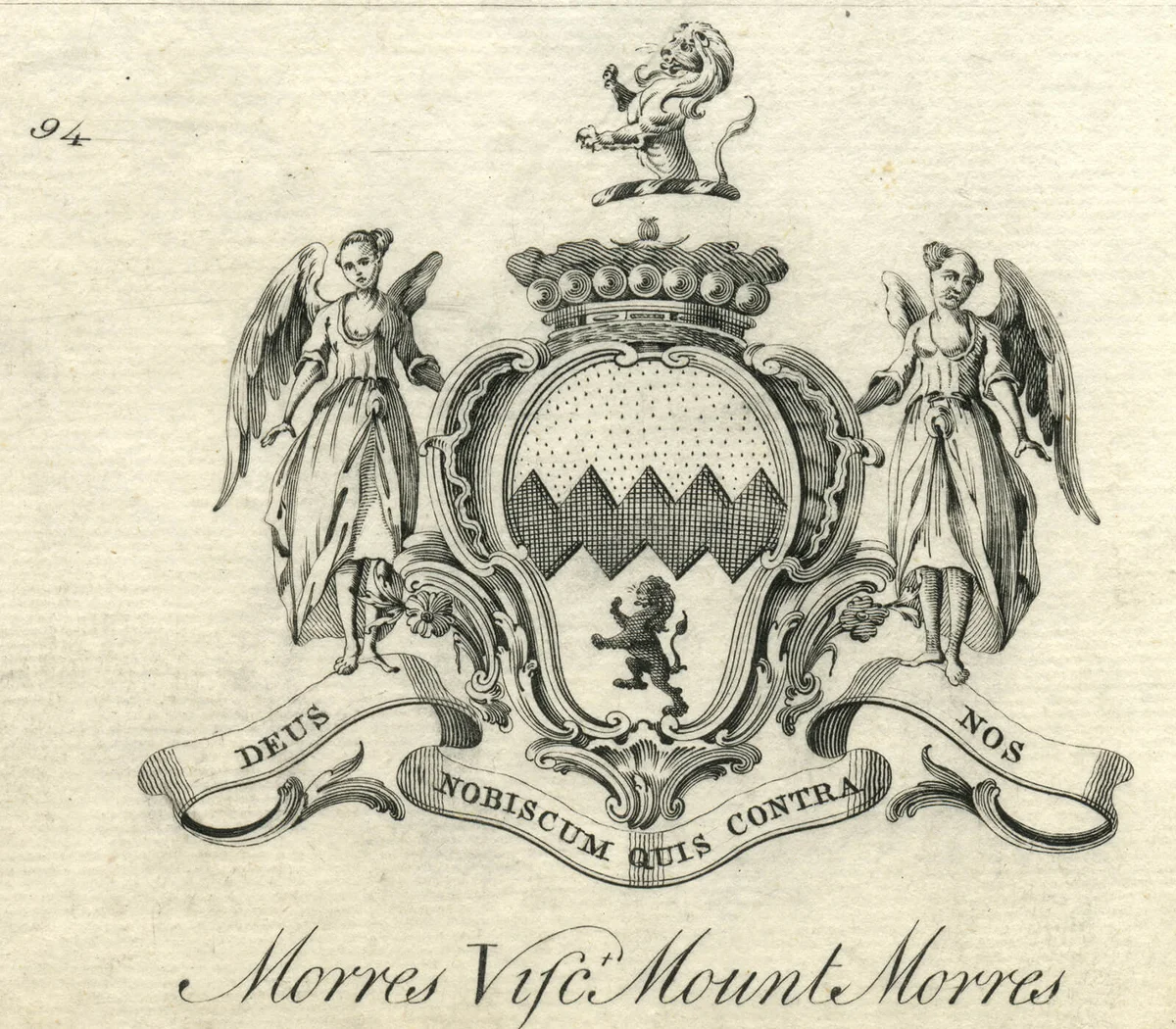
Angels were an important symbol during the middle ages, and they appear on many emblems. They can symbolize honor and dignity.
Star for Goodness
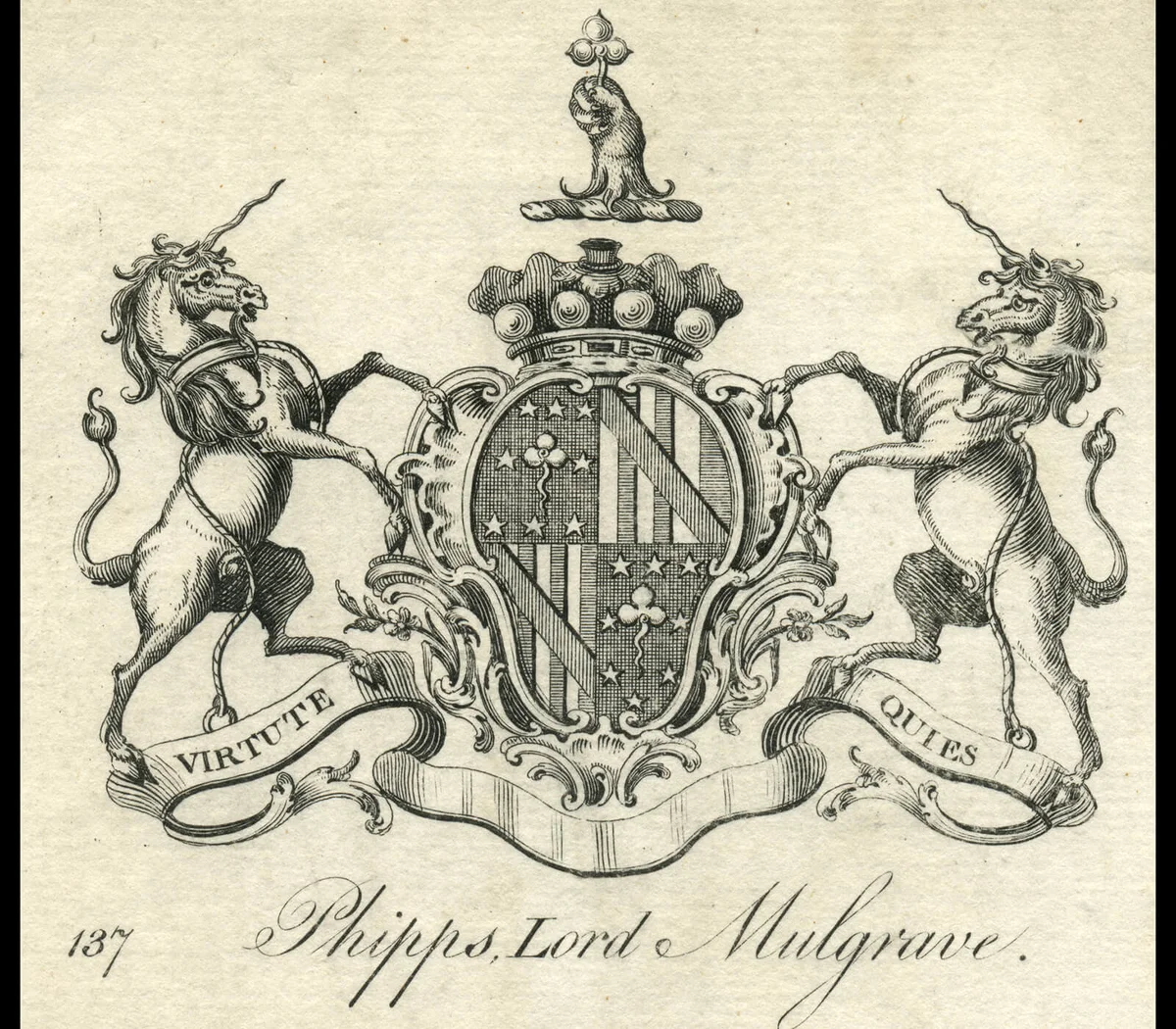
A single star or group of stars can appear with other decorations, symbolizing goodness and light. This simple shape would have been easily recognizable in battle.
Dragon for Defense
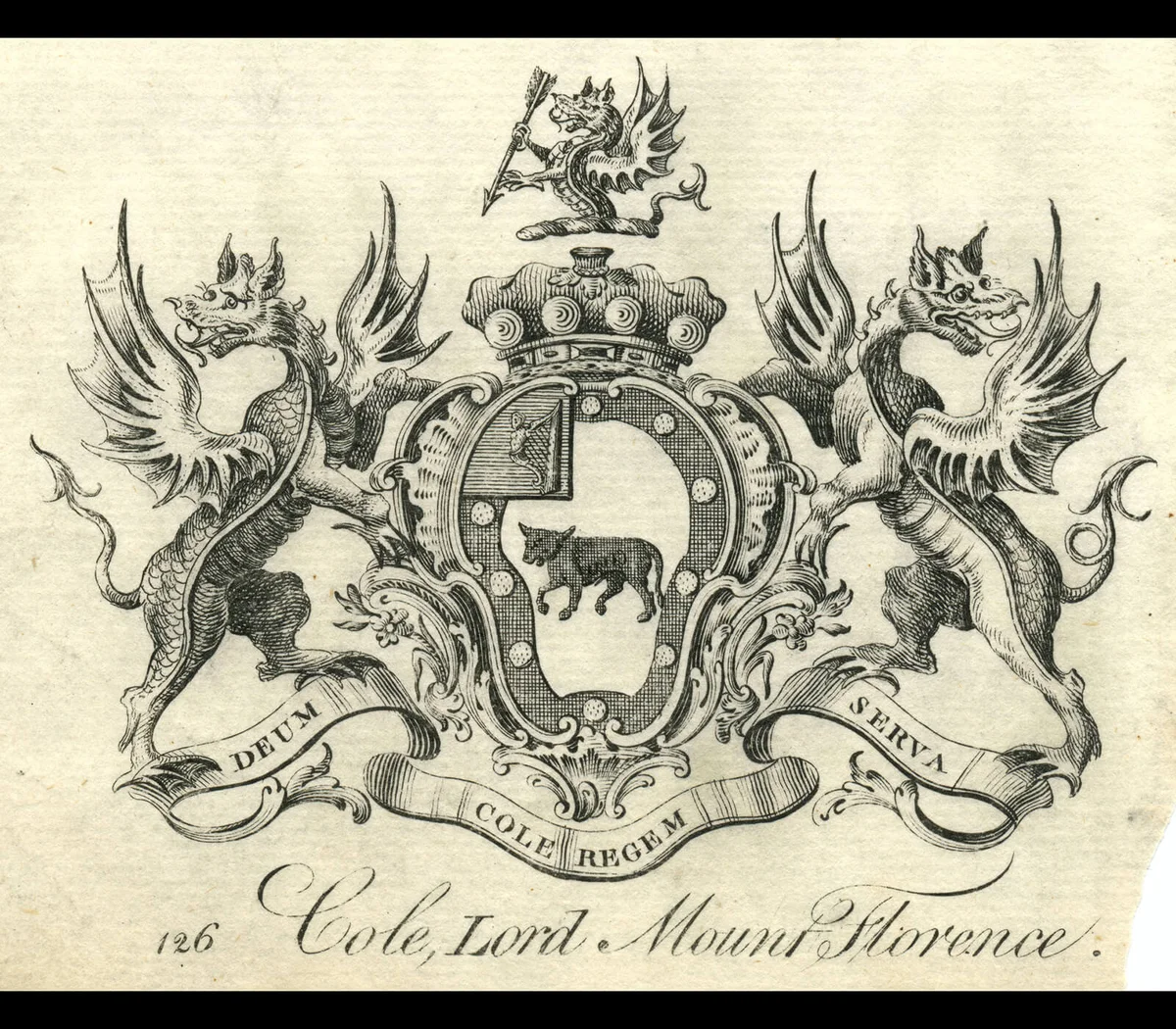
Many coats of arms feature mythical beasts, and the king of these is the dragon. A noted symbol of powerful defense, heraldic dragons can be beautiful and detailed.
Fleur de Lis for Purity
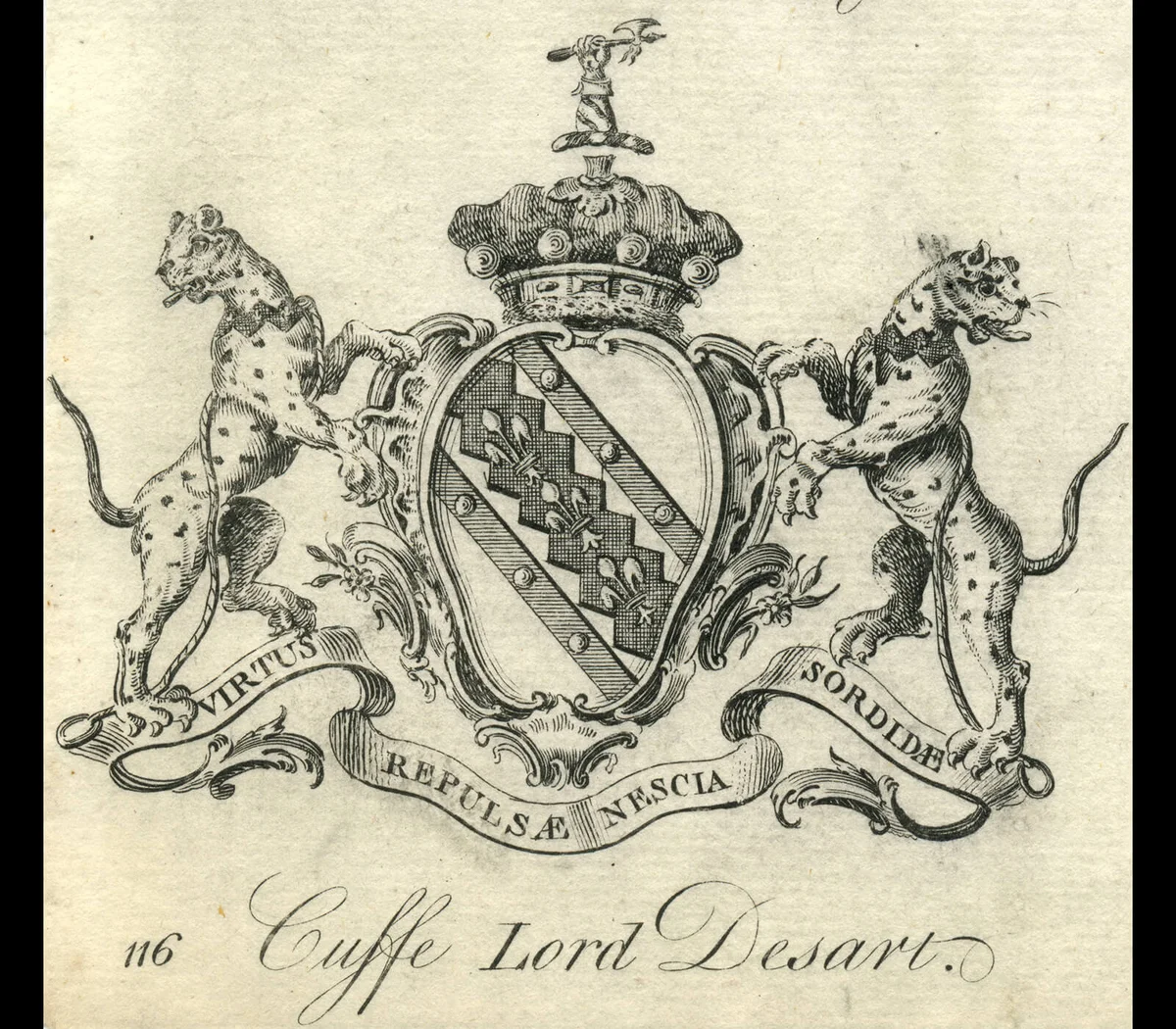
The fleur de lis is often called the floral badge of France. It is the symbol of purity and light. It is frequently used as part of a coat of arms, as well as a decorative element on iron fencing.
Flags for Color
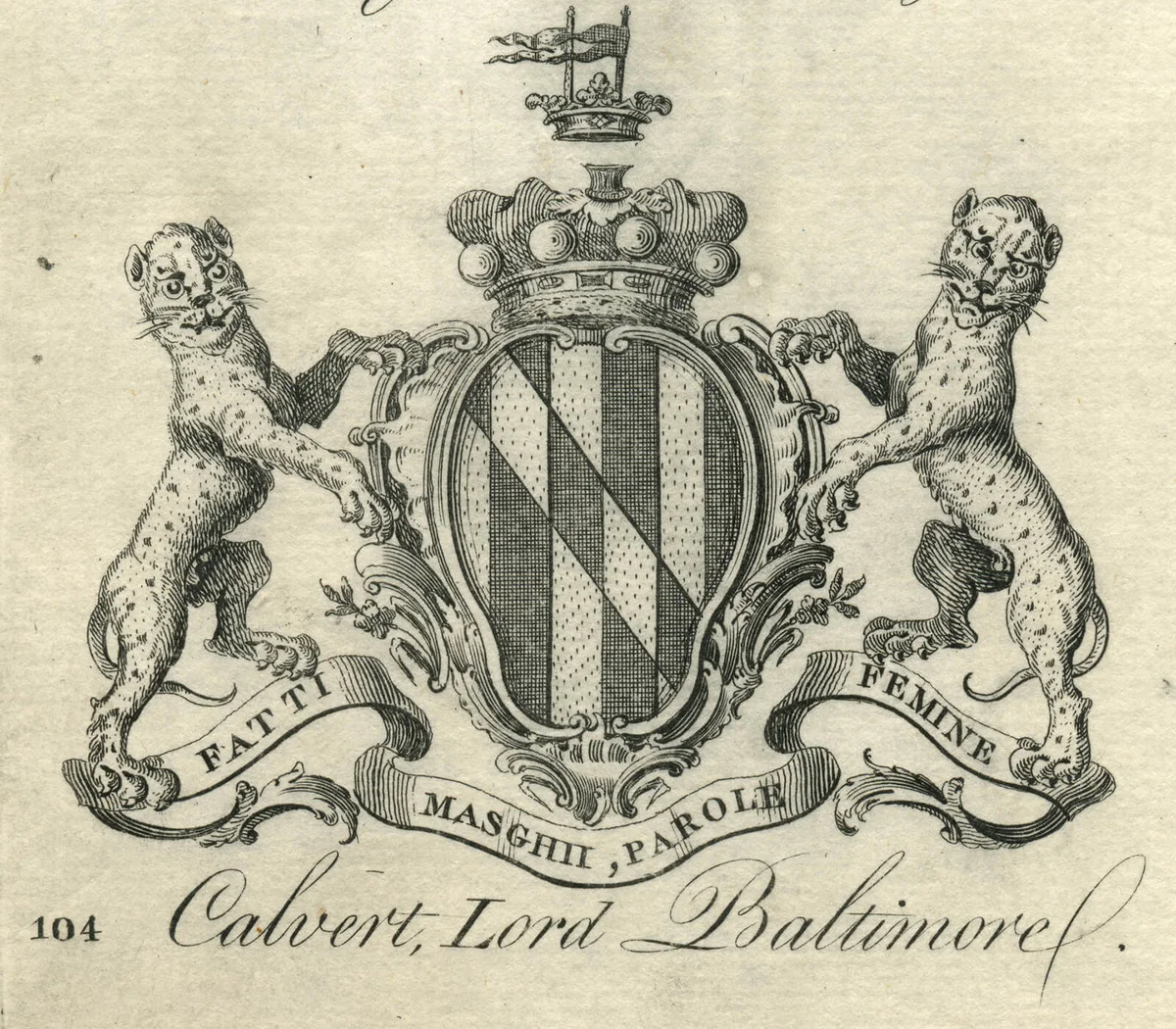
If a pennant or flag appears, it's often the color of the flag or the symbol on it that carries meaning. Some examples of color meaning include the following:
- Red - military strength
- Blue - loyalty
- Green - joy
- Purple - related to royalty
Mermaid for Eloquence
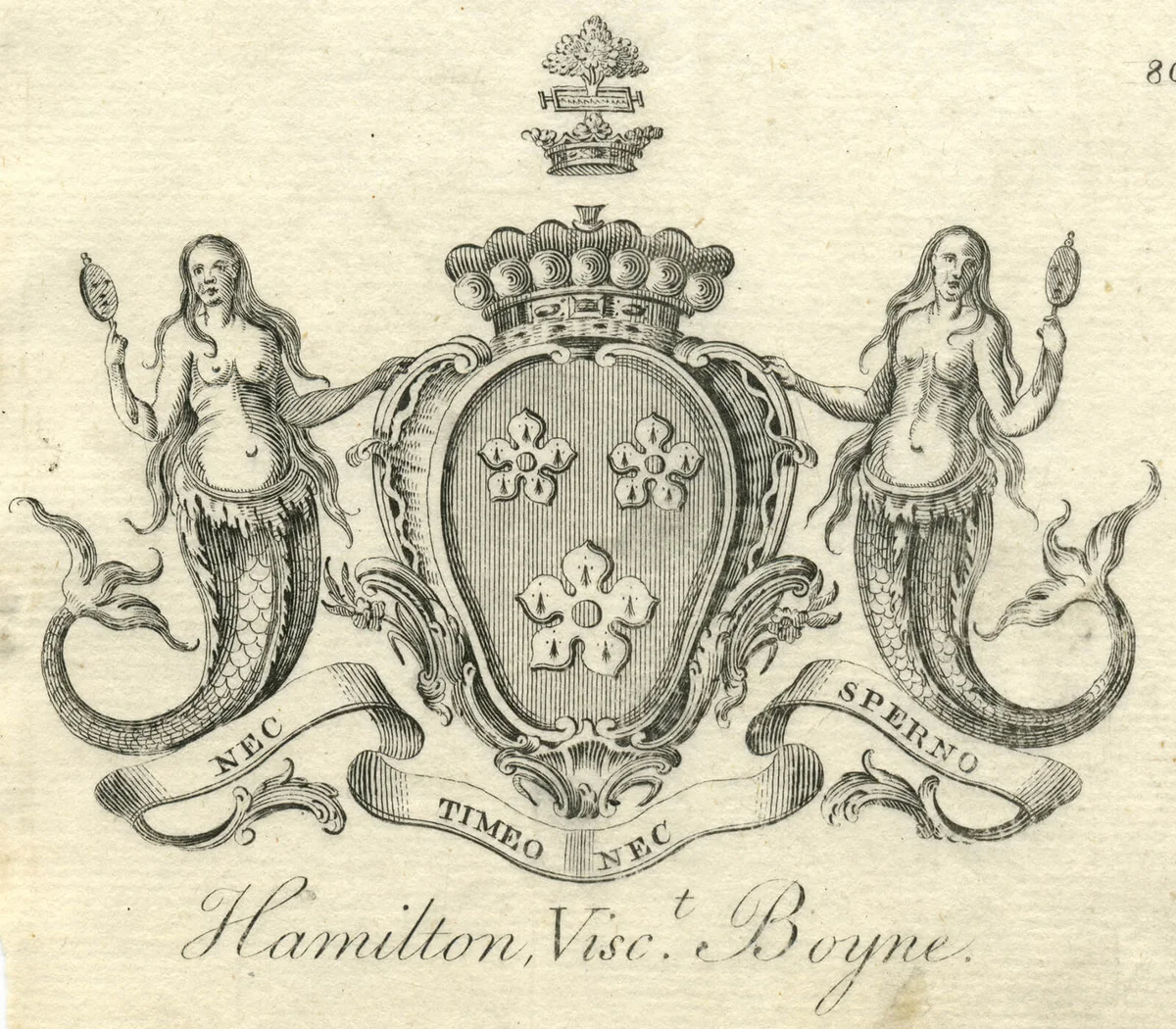
A mermaid can symbolize eloquence for the person who carries a coat of arms with this figure. She often holds a mirror.
Cross for Faith
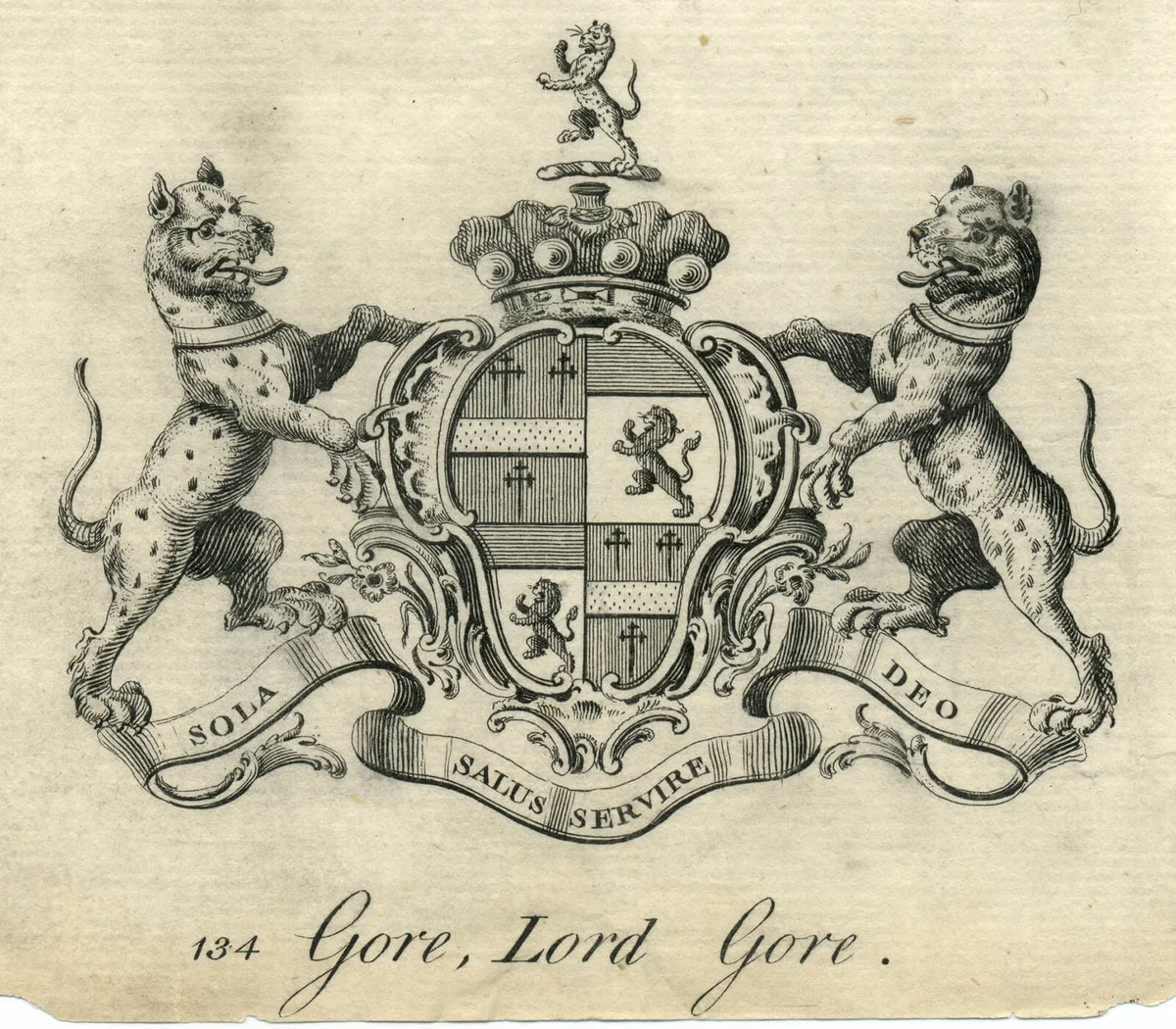
A cross, which can appear in many forms and in a variety of sizes, represents faith. Some depictions show Christ on the cross, while others are more stylized.
Dogs for Faithfulness
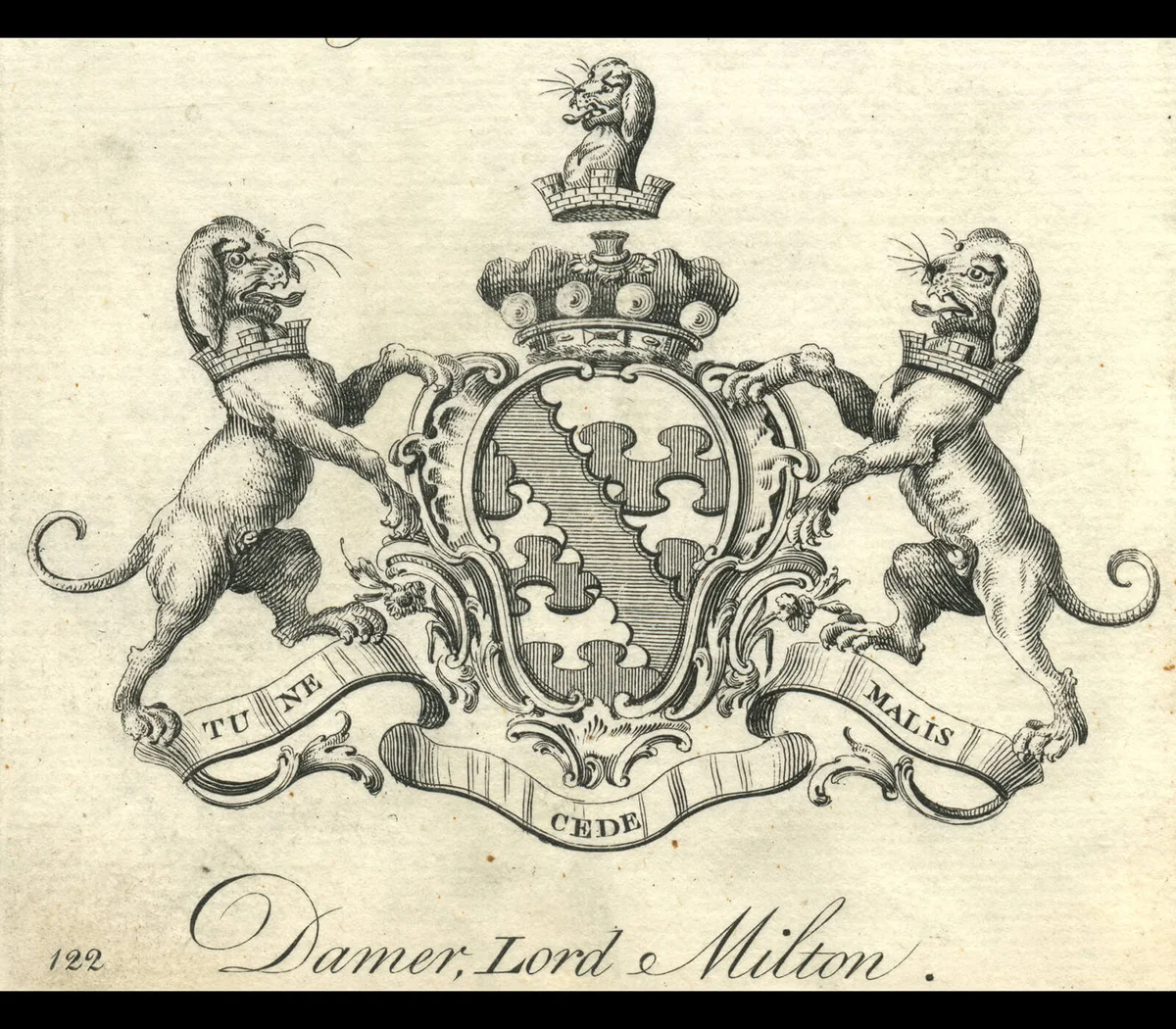
Dogs as standard bearers or on the shield can symbolize faithfulness or steadfast loyalty. They may be various breeds.
Hand or Guantlet for Armed Combat
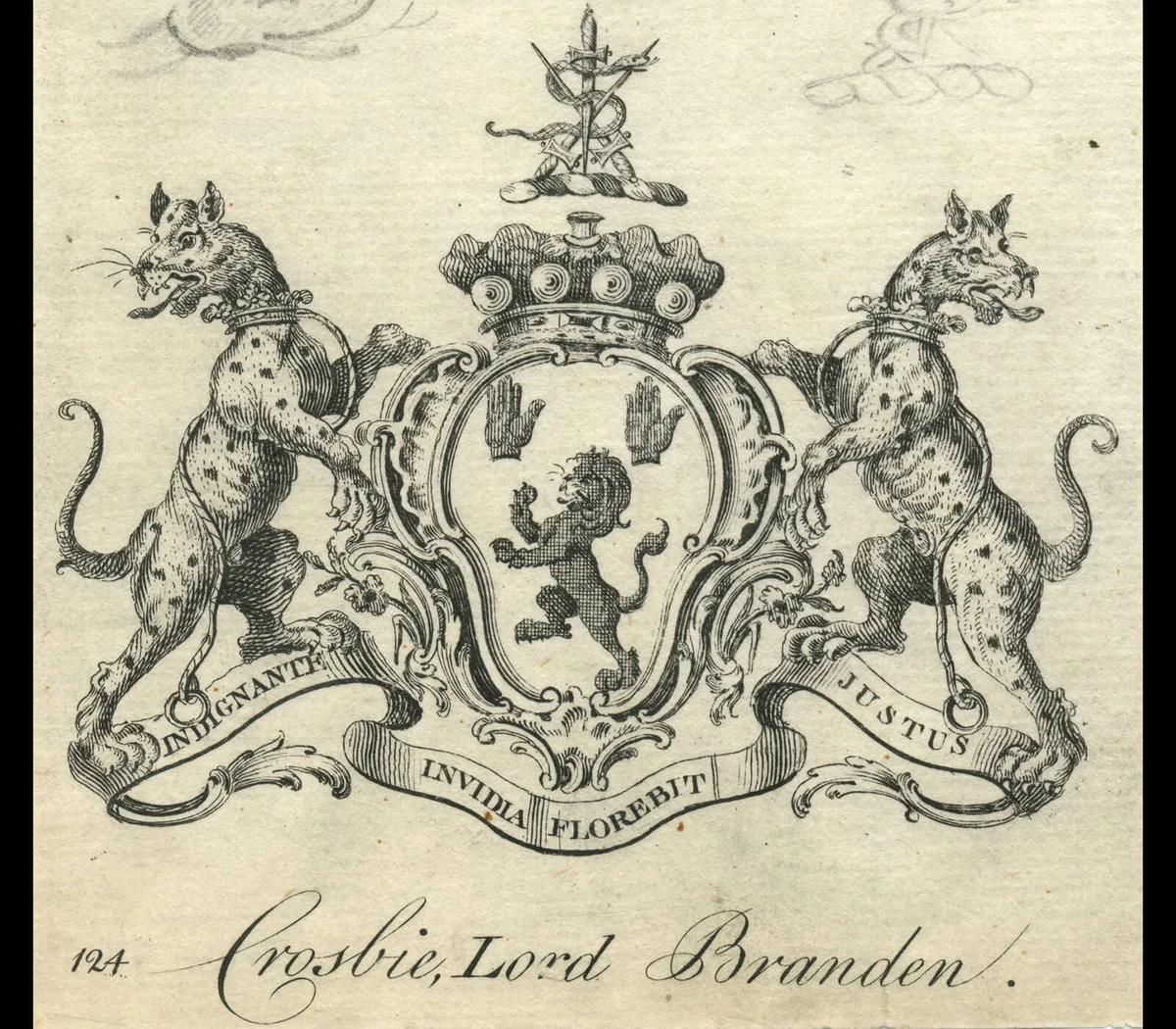
A hand, glove, or gauntlet can signify readiness for armed combat. They may appear alone or in multiples.
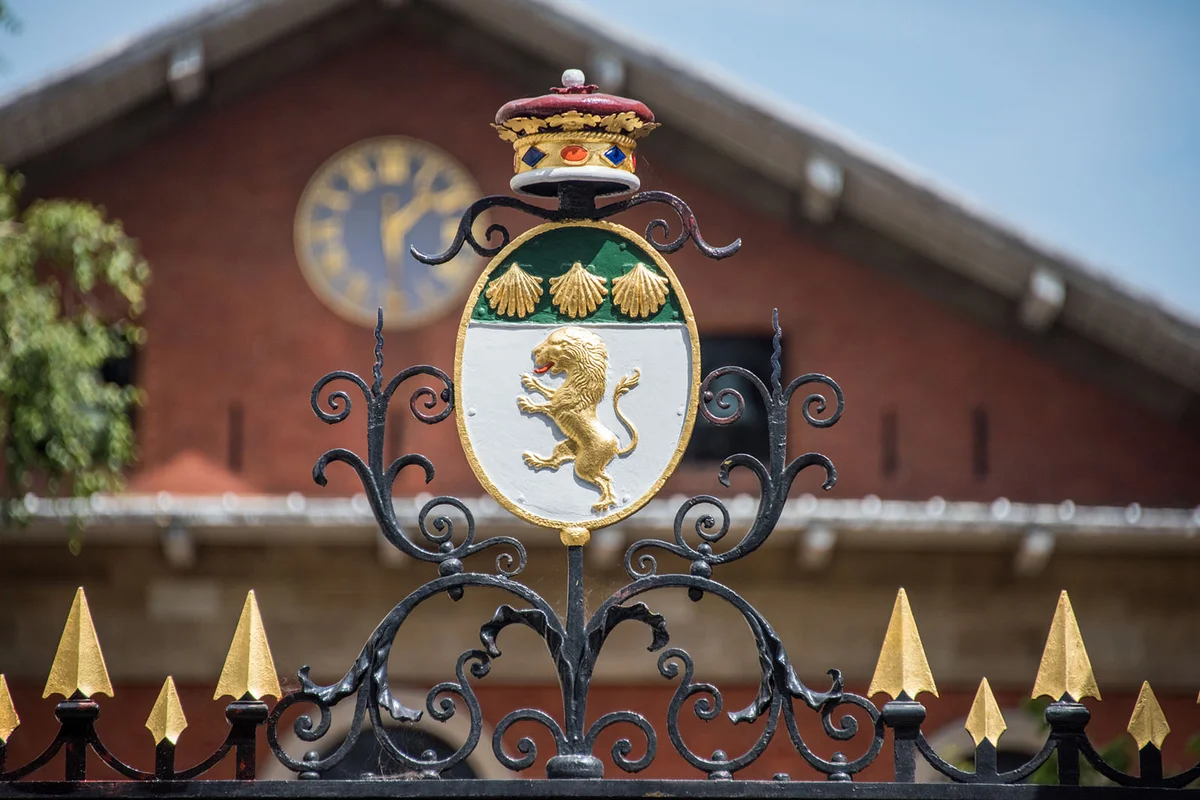
Lions for Courage
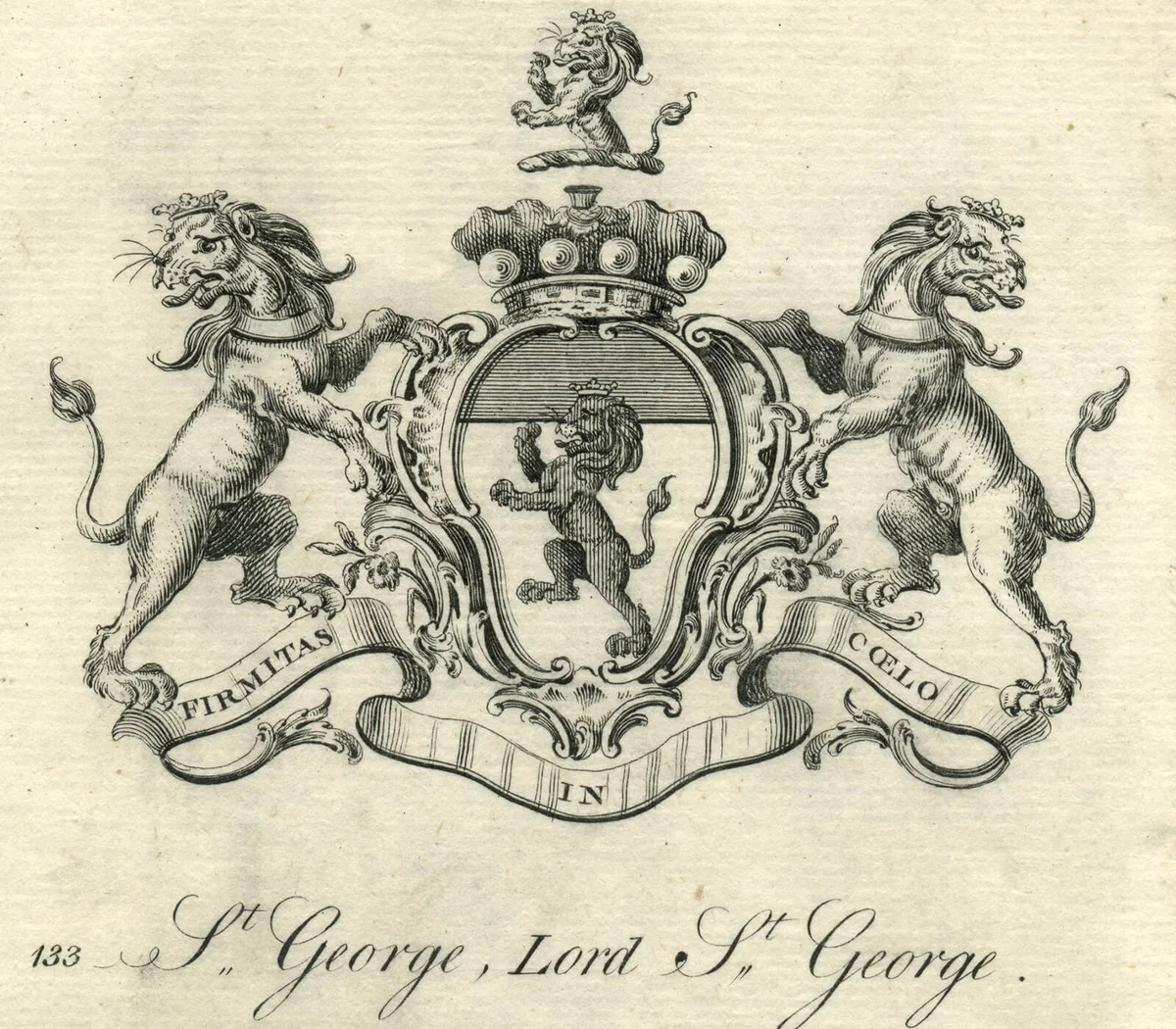
A lion can appear anywhere on a coat of arms or family crest, but it often signifies courage. This is a common symbol that would have been readily identifiable.
Key for Guardianship
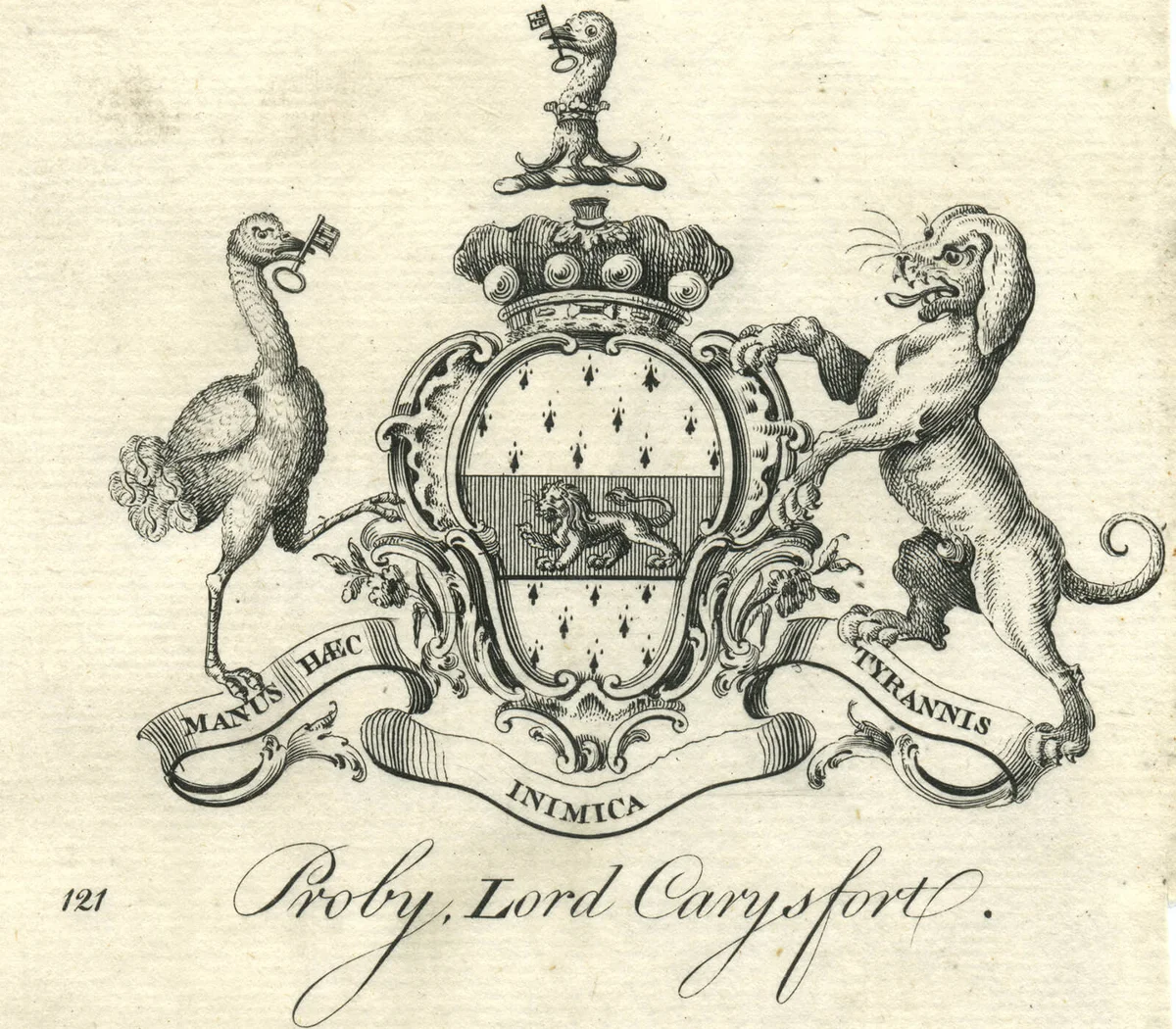
Keys, whether held by a figure or appearing alone, can symbolize guardianship. They usually look like a simple skeleton key.
Griffins for Watchfulness
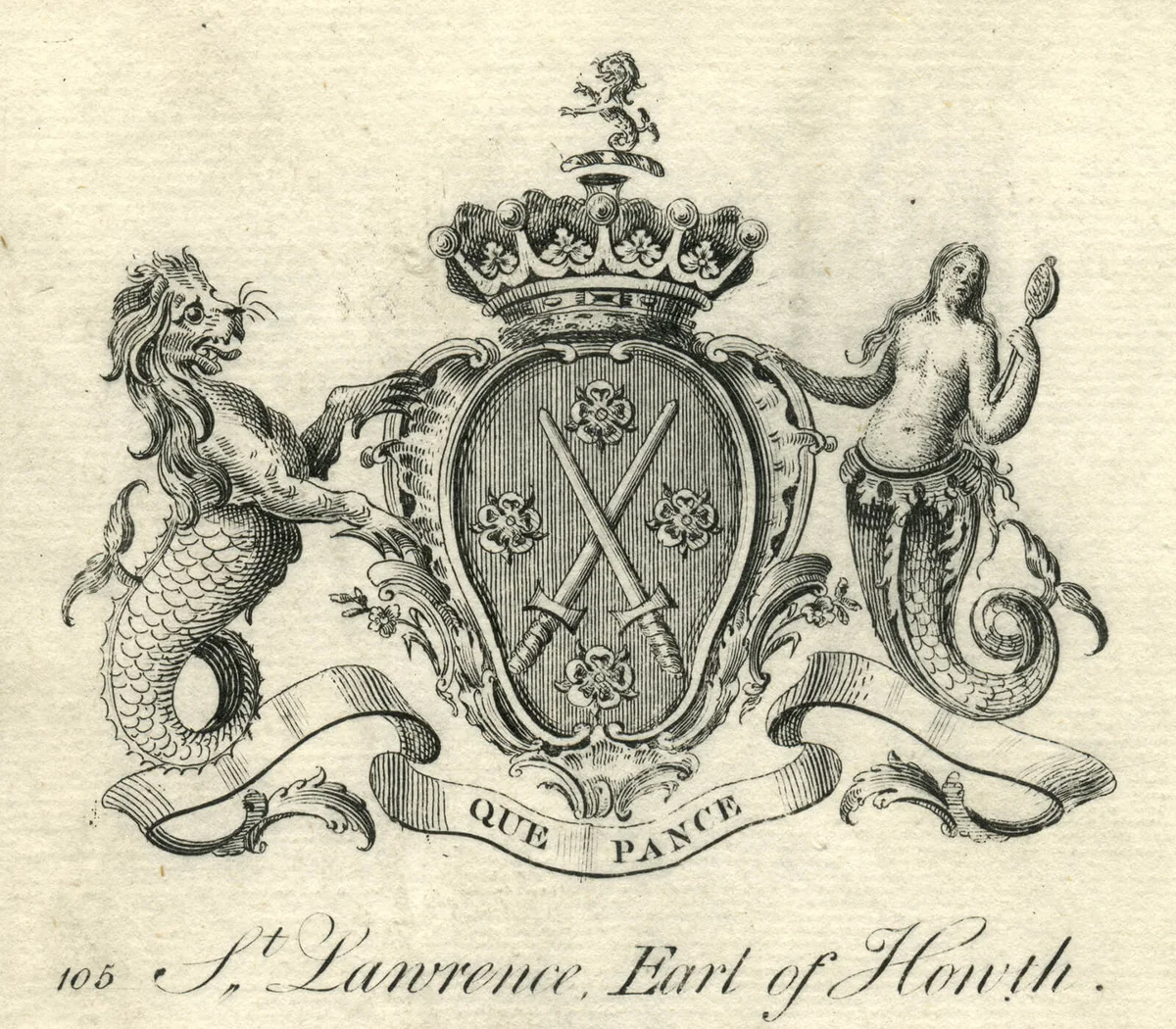
Another mythical beast that appears in heraldry, a griffin is part bird and part lion. Griffins symbolize watchfulness.
Chevron for Protection Granted
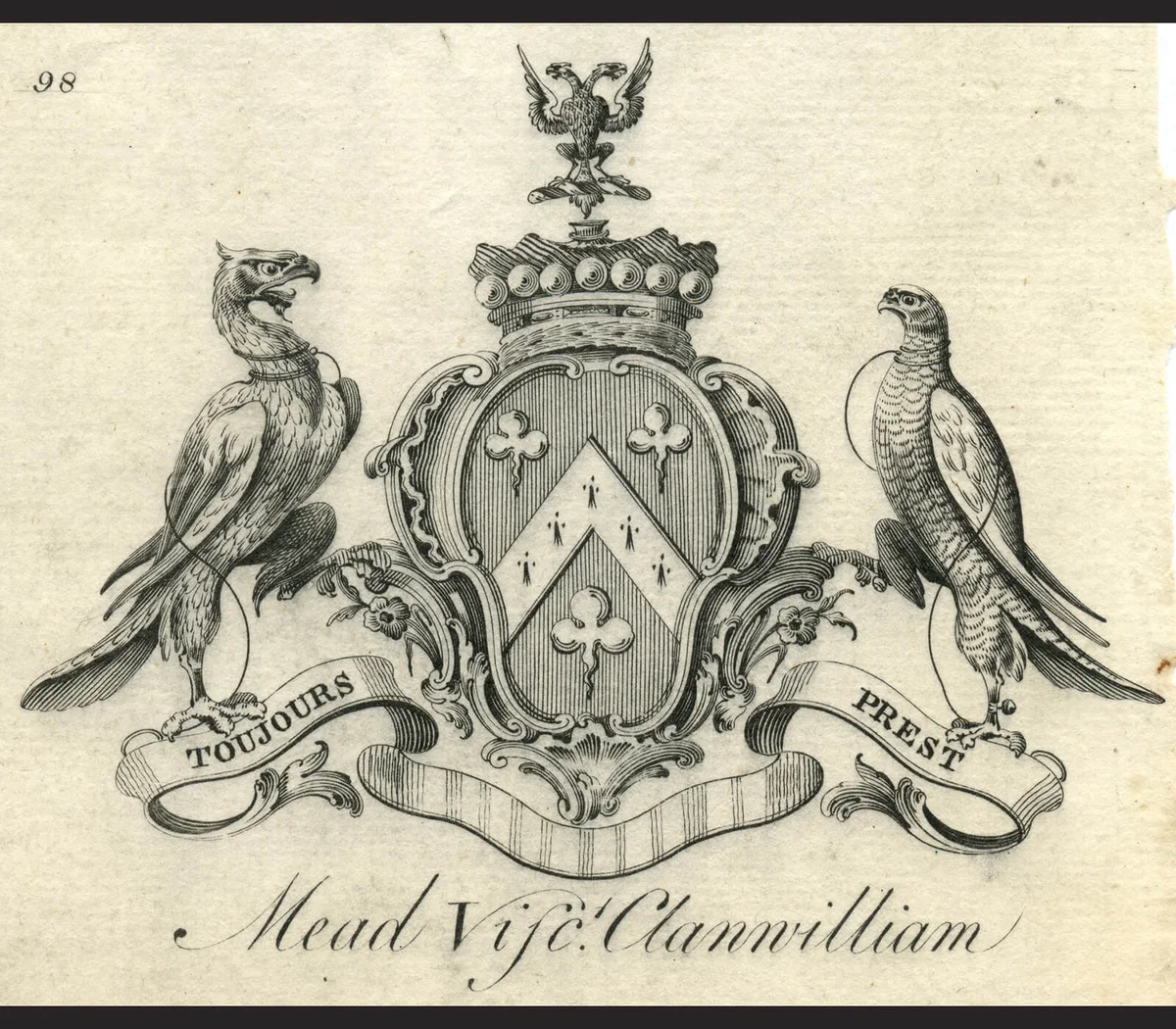
A chevron, which is still used in military uniforms today, is symbolic of protection granted. This is because it is in the shape of a pointed roof.
Primrose for Good Luck
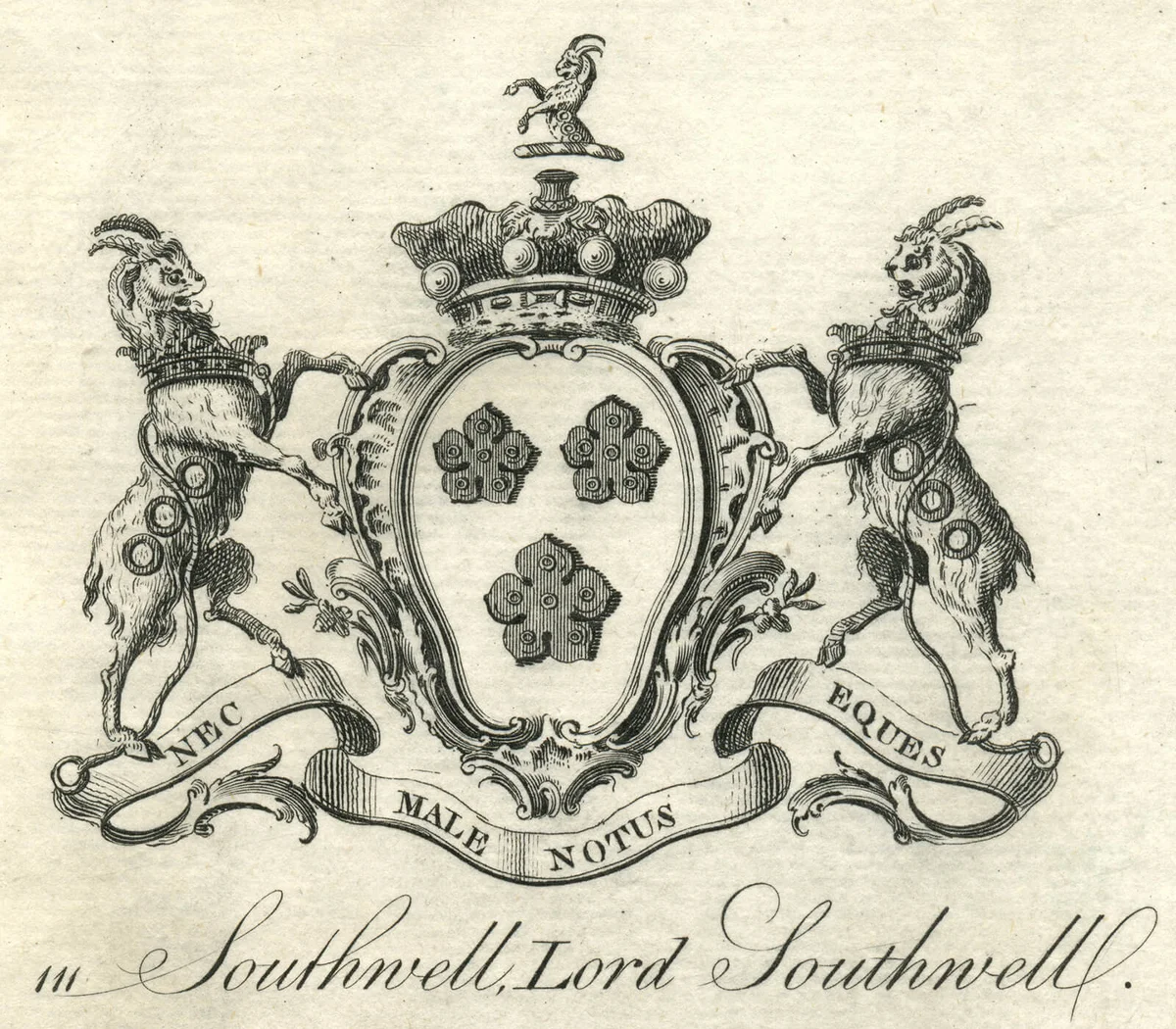
A primrose, usually a stylized drawing of a flower with about five petals, is a common fixture in heraldry. It is associated with good luck.
A Starting Point for Research

You can use heraldry symbols as a starting point for further genealogy research. Learn about the meanings behind the images on your coat of arms or family crest, and then use that information to find out about the nationality of your surname and the lives of your ancestors.