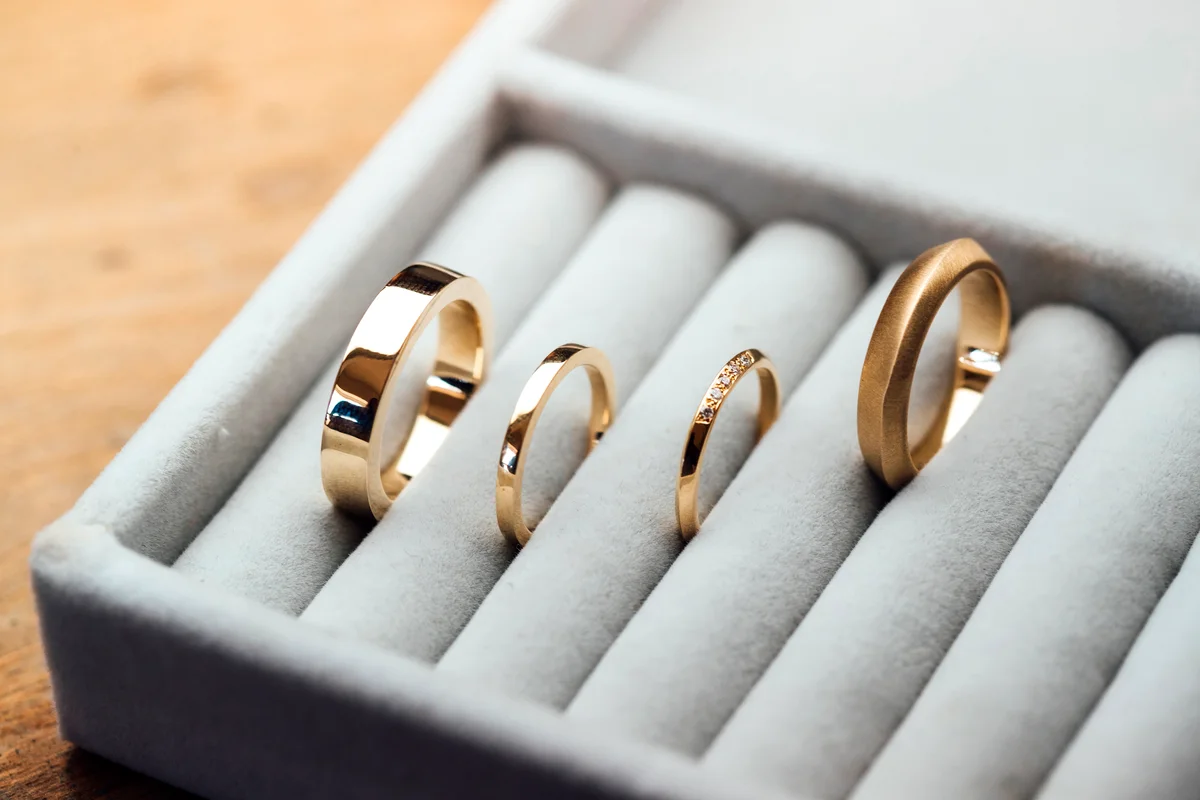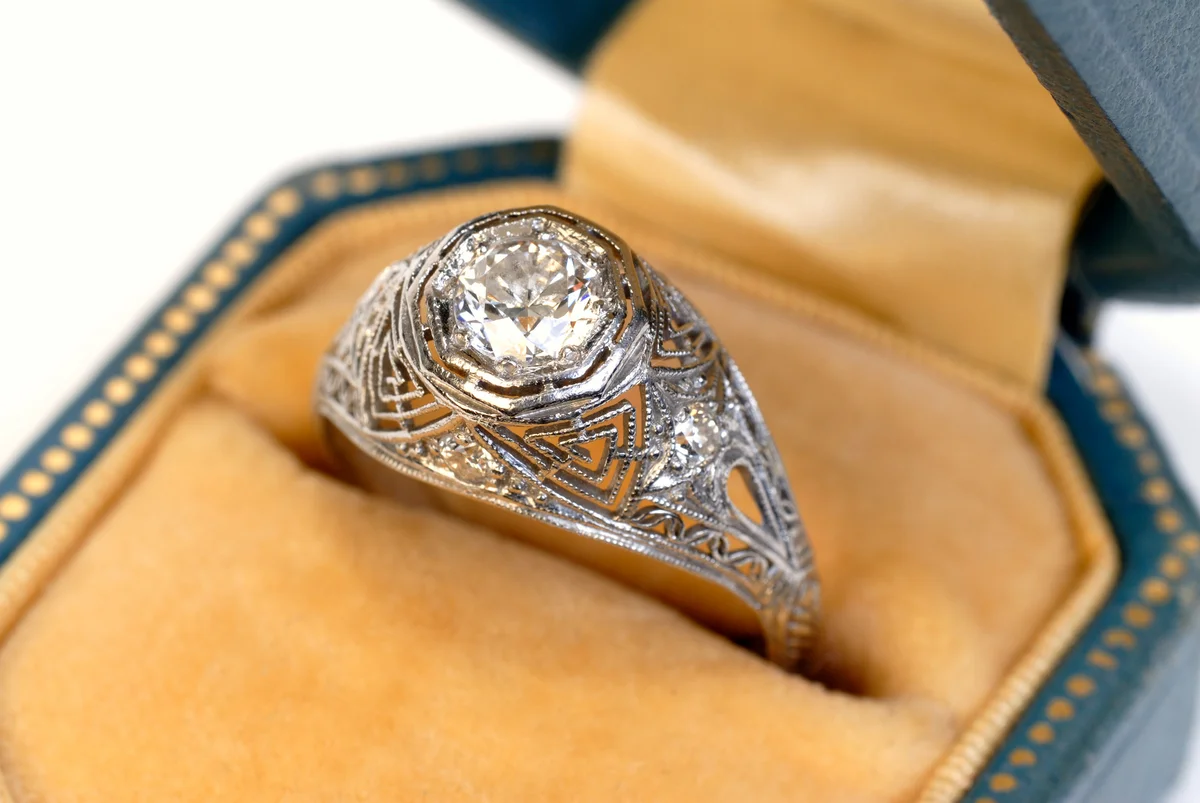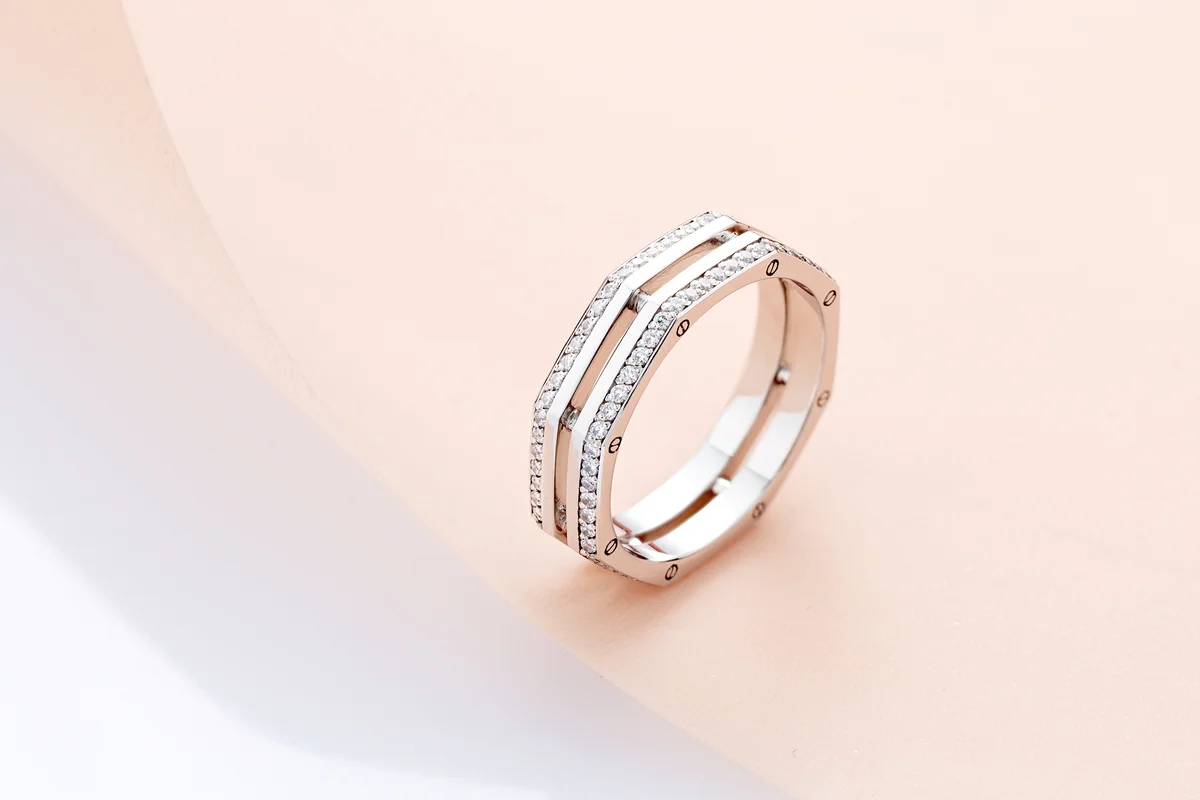
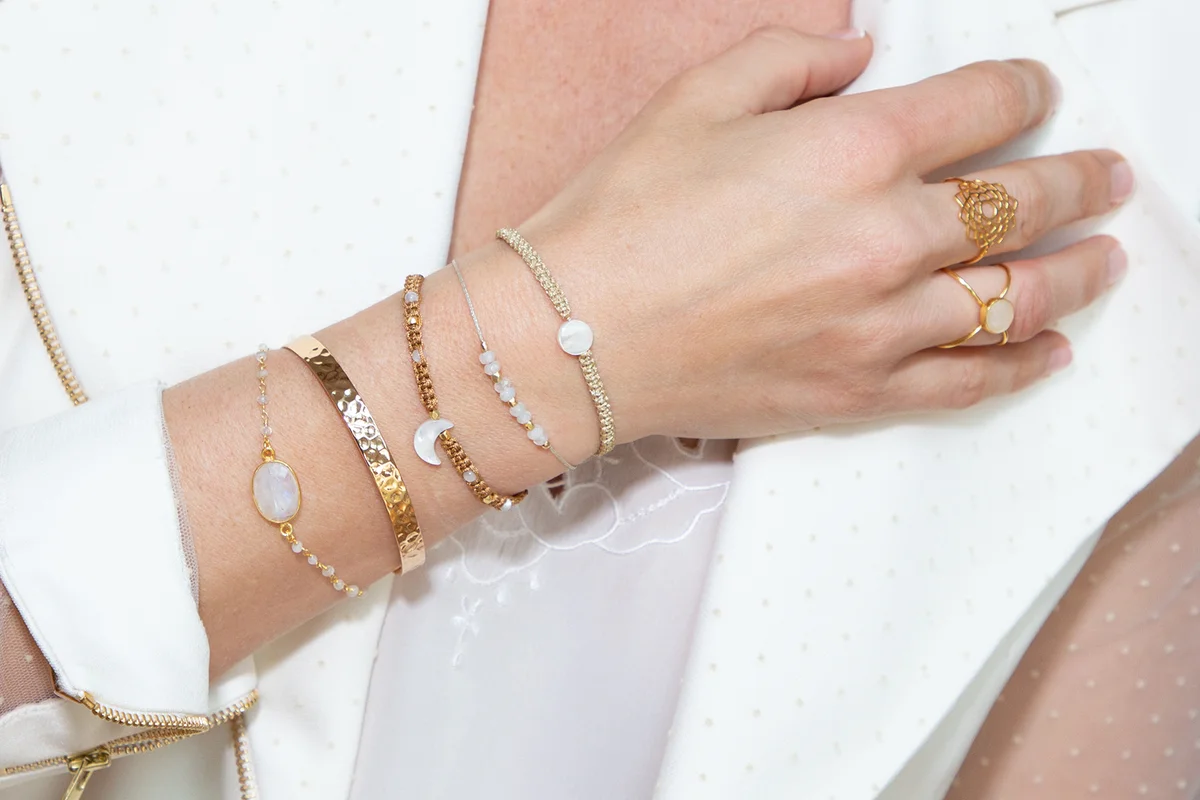
The sparkle and shine of jewelry isn't just from the gems; it's also from the metals used. From affordable brass to precious platinum, you'll find jewelry in every metal you can imagine.
Each of these metals for jewelry has advantages and disadvantages, and it helps to understand a bit about the materials before you make your next purchase or get started with your next jewelry-making project. Knowing what you're buying or using is important, especially if you have metal allergies or other unique needs.
Aluminum - Light and Malleable
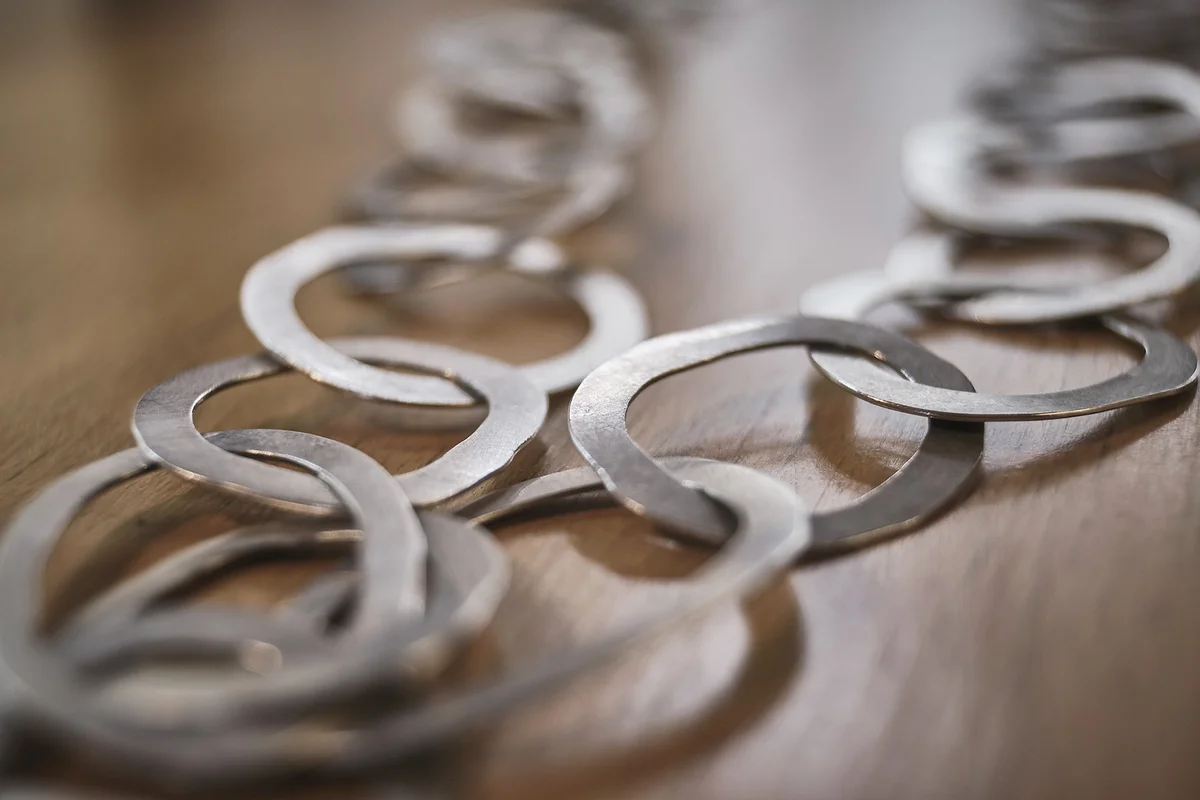
Aluminum isn't just for foil. It's also a jewelry metal. Some costume jewelry and artisan pieces contain aluminum, either on its own or in combination with other metals. It is silver-colored and has an attractive sheen. With anodizing technology, it can be colored in bright, pretty shades.
Because of its unique properties, aluminum has several advantages when it comes to jewelry:
- Aluminum is very malleable and easy to work with, so jewelry artists can form it into gorgeous shapes. It is often used for cuff bracelets, elaborate bib necklaces, delicate earrings, and more.
- Compared to many other options, aluminum is a cheap metal for jewelry. It is the second most common metal on the planet.
- This metal is stable and does not tarnish or corrode when exposed to most daily activities. You can wear it in water.
- Aluminum is a lightweight material, making it perfect for large items like wide cuff bracelets. If you're designing a large piece of jewelry, it's worth considering as a metal to use.
Need to Know
It's important to note that because it is so malleable, aluminum jewelry can be fragile and prone to warping. Additionally, a very small number of people may be allergic to this metal.
Brass - Affordable and Easy to Cast
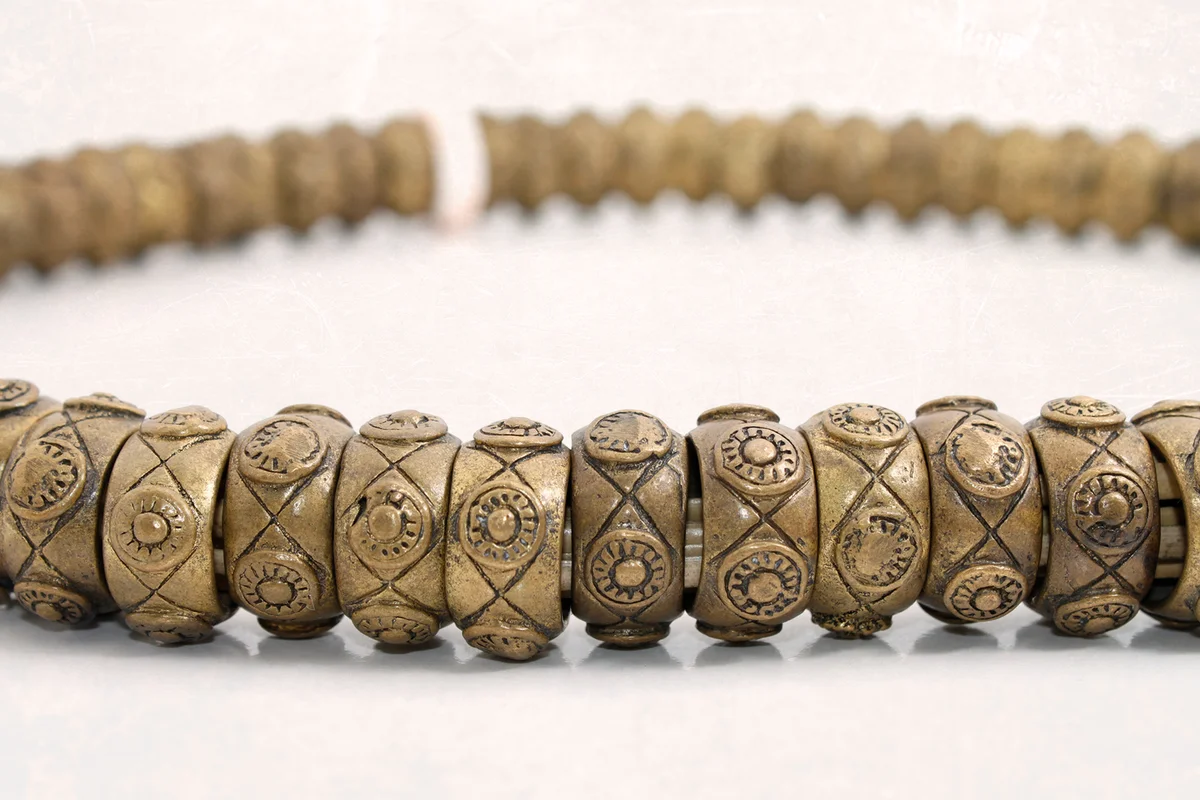
Brass is a common choice for costume jewelry since it has a pretty gold color and offers an affordable alternative to precious metals. Made from a combination of copper and zinc, the properties of brass can vary depending on the amount of these two metals used in its production. The proportion of copper and zinc can also affect how jewelers can use the metal in their products.
Brass is a great jewelry metal for the following reasons:
- Brass is ideal for casting, which is creating jewelry from molds. Many costume pieces are created this way, and at-home jewelers appreciate the low melting point and the way you can cast it with sand molds.
- It is a very strong material, which means that costume jewelry products made with brass are durable.
- Brass is extremely affordable since it does not contain precious metals.
In general, brass won't corrode with regular use. The thing is, depending on the copper content, it may turn green over a long period. Unlacquered brass may need some polishing from time to time, but many jewelry manufacturers apply a clear lacquer to avoid this problem.
Need to Know
There are a few important safety considerations when it comes to brass jewelry. Although today's brass jewelry is mostly lead-free, some vintage brass pieces may contain small amounts of lead. Lead can be toxic to children and adults. Plus, brass may also contain nickel and aluminum, so people with metal allergies may want to avoid it.
Bronze - Strong and Great for Detail
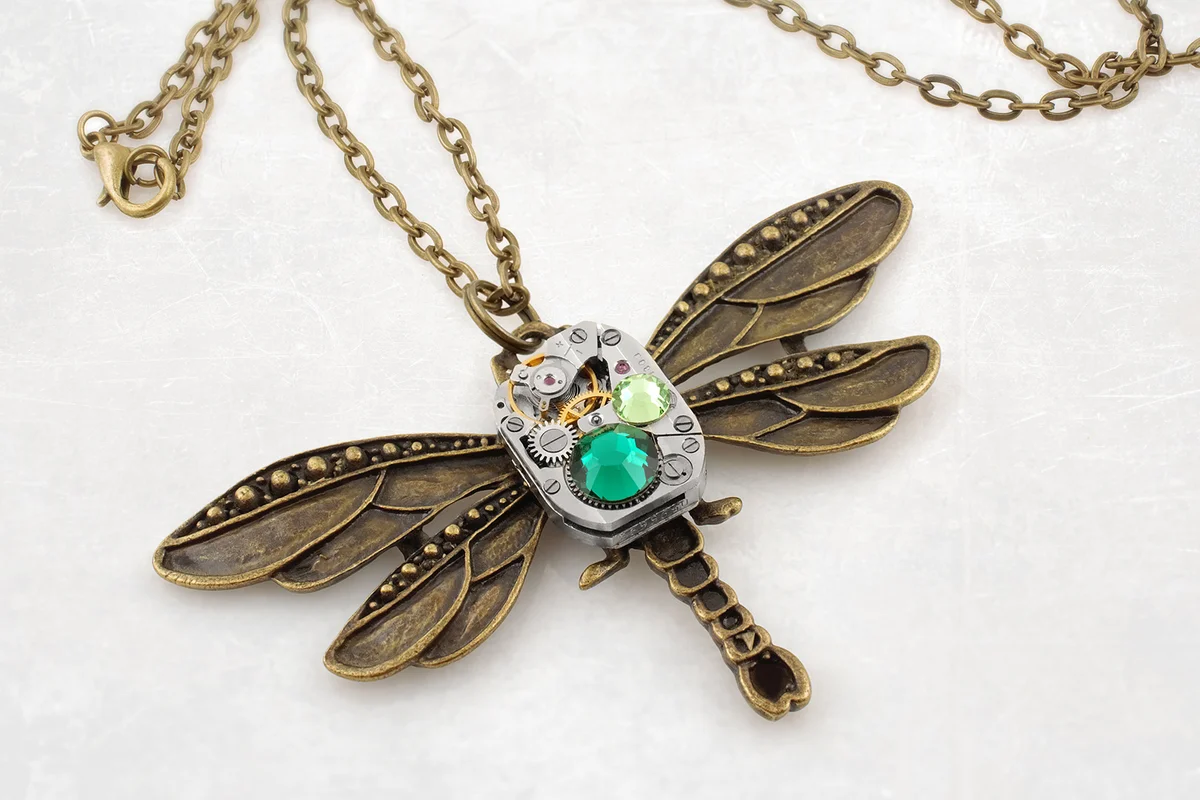
Another awesome option is bronze. Similar to brass, bronze is an alloy of multiple metals. Often, it contains copper, tin, and zinc. This pretty metal has a warm, brownish-gold tone that works well with a variety of stones and materials. Bronze has been used for thousands of years. It has many advantages if you're planning to make jewelry with it:
- Bronze is great for detail work, so you'll find gorgeous and delicate jewelry in this material.
- It is affordable as a raw material in tubes, sheets, and other forms, which makes it great for experimenting.
- With a low melting point, bronze doesn't take a ton of heat to become liquid. You can use it for casting or heat it to make it easier to bend.
- Bronze is strong and durable.
Need to Know
On the downside, bronze tends to tarnish or change color. Because it usually contains some nickel and aluminum, it can bother people with metal allergies. Older bronze jewelry may also contain dangerous quantities of lead.
Copper - Easy to Work With
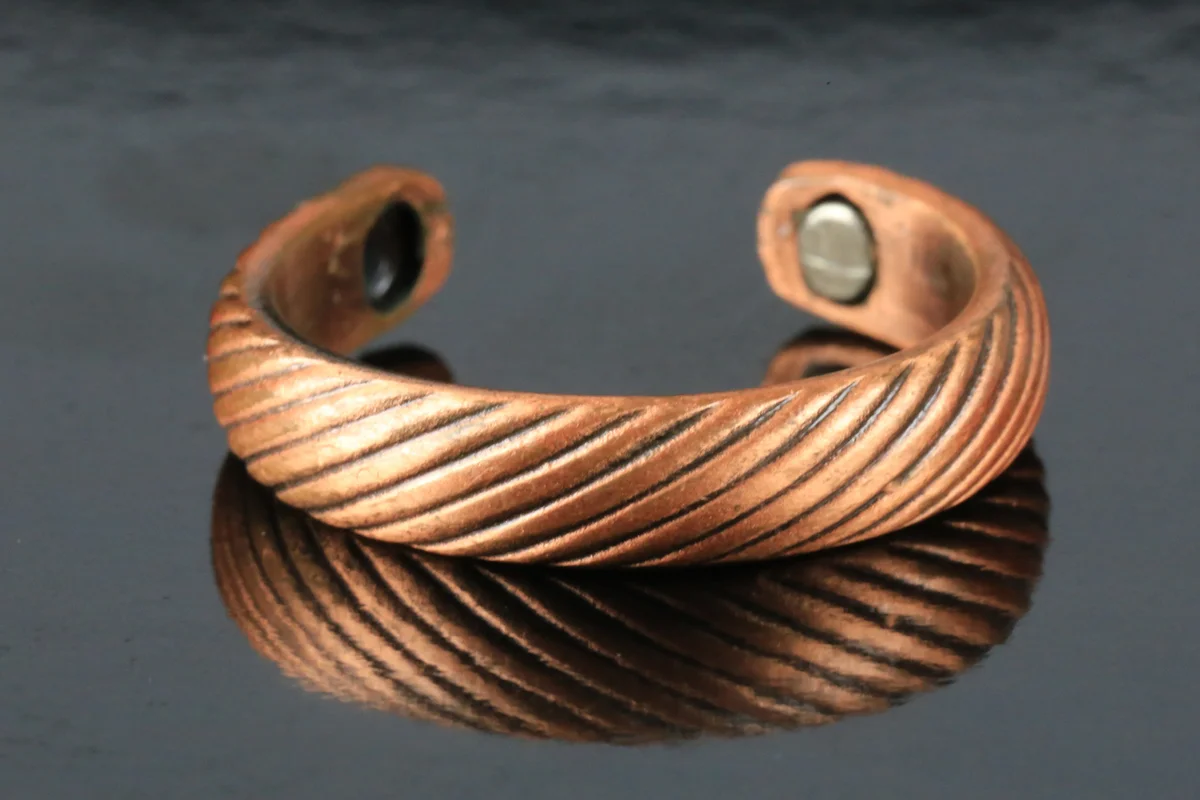
The warm reddish glow of copper makes it a gorgeous choice for artisan jewelry, and it has several properties that also make it a practical option. It's a popular choice for Native American jewelry and has many advantages:
- Copper is extremely easy to work with. It's really malleable, so it's great for wire wrapping and other jewelry making. It was actually the first metal worked by jewelers in ancient civilizations.
- Copper is affordable, compared to gold and silver. However, it is more costly than alloys like brass and bronze.
- The warm color of copper makes it perfect with a range of different gems.
Need to Know
There are a few disadvantages to this lovely metal. Copper tends to oxidize over time, so its color will darken. Additionally, it can turn the skin green when worn for long periods. Although this is not an allergy to the metal, some people find it disconcerting.
Gold - Precious and Versatile
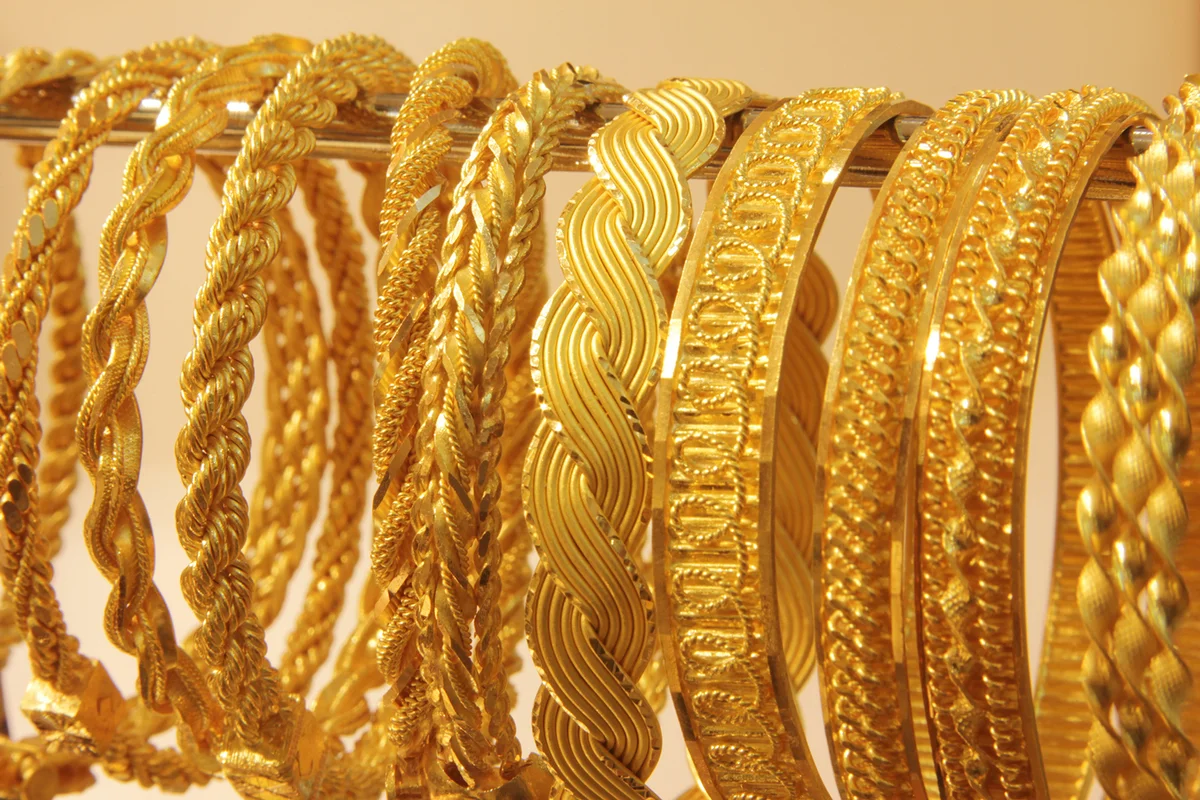
Gold is one of the most versatile and lovely metals for jewelry. Jewelers have prized gold for centuries. There are many reasons for this top-notch status:
- Gold is incredibly malleable. Jewelers can craft it into almost any shape, whether they are wrapping beads or melting it for casting.
- In addition to the traditional warm yellow tone, there are actually several colors of gold. We're talking tons of options.
- Gold is among the most precious and expensive metals on the planet, so it's got a lot of cache. This can make it a bit intimidating for people making jewelry, though, since you don't want to waste it by making a mistake.
- Solid gold is hypoallergenic; however, some gold alloys can bother people with metal allergies.
Need to Know
Most jewelry isn't created from solid gold, which is too soft. Gold comes in different karats or purities, each of which has advantages. Plus, because gold is such a costly metal, many pieces are gold-filled or gold-plated, which means that a layer of gold is applied over a less expensive base metal.
Niobium - Hypoallergenic and Easy to Use
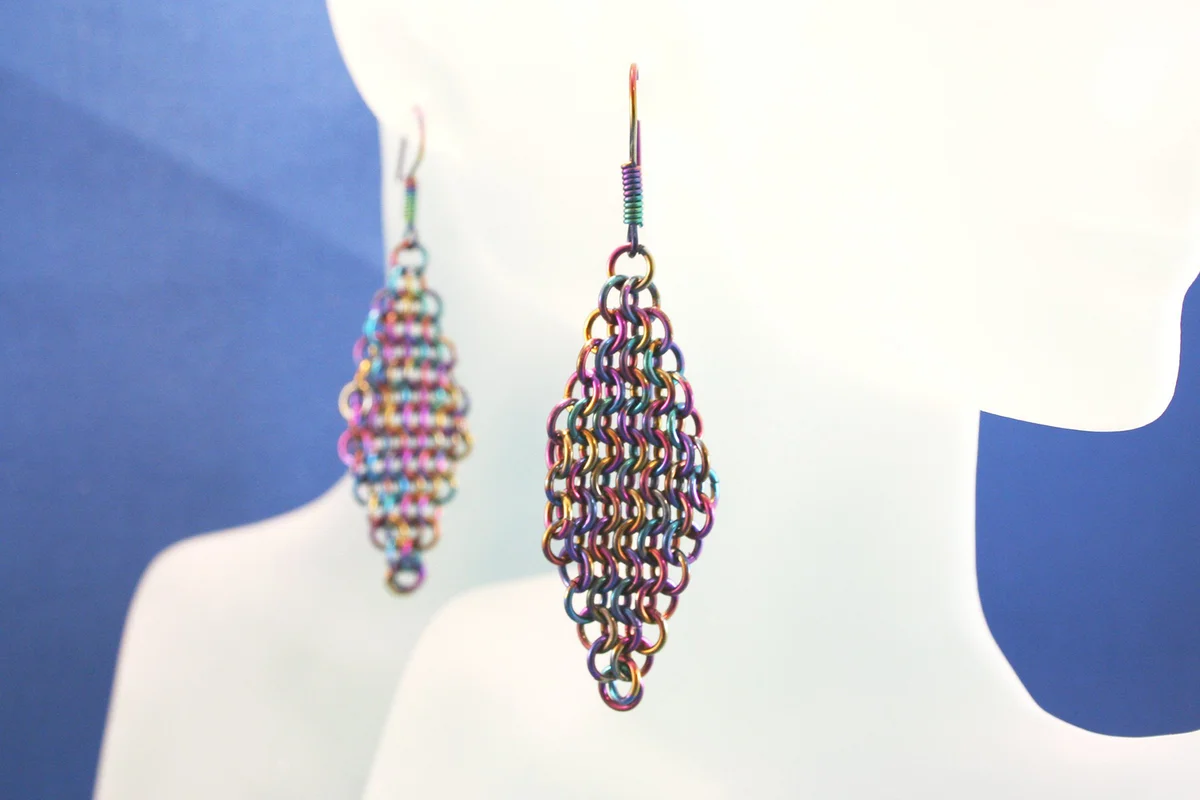
You might not have heard of niobium, but it's another interesting metal used in jewelry. Niobium is a silver-colored element on the periodic table. It accepts anodization, so niobium jewelry components come in a huge array of colors, such as blue, red, pink, and many more. According to the Royal Society of Chemists, niobium has many properties that make it useful for jewelry:
- Niobium is corrosion-resistant, which makes this type of jewelry a practical choice.
- It's easy to cut with a jeweler's saw, and it's malleable enough to be hand-formed in some cases. It's an easy material to work with.
- This metal is hypoallergenic. In general, niobium jewelry won't bother people with metal allergies.
- It isn't a precious metal, so it's more affordable than gold, silver, and other choices.
- Niobium is strong. It's a component of alloys used in jet engines, oil rigs, and other industrial applications.
- Niobium is common in smaller jewelry pieces like rings and earrings.
Palladium - Light and Durable
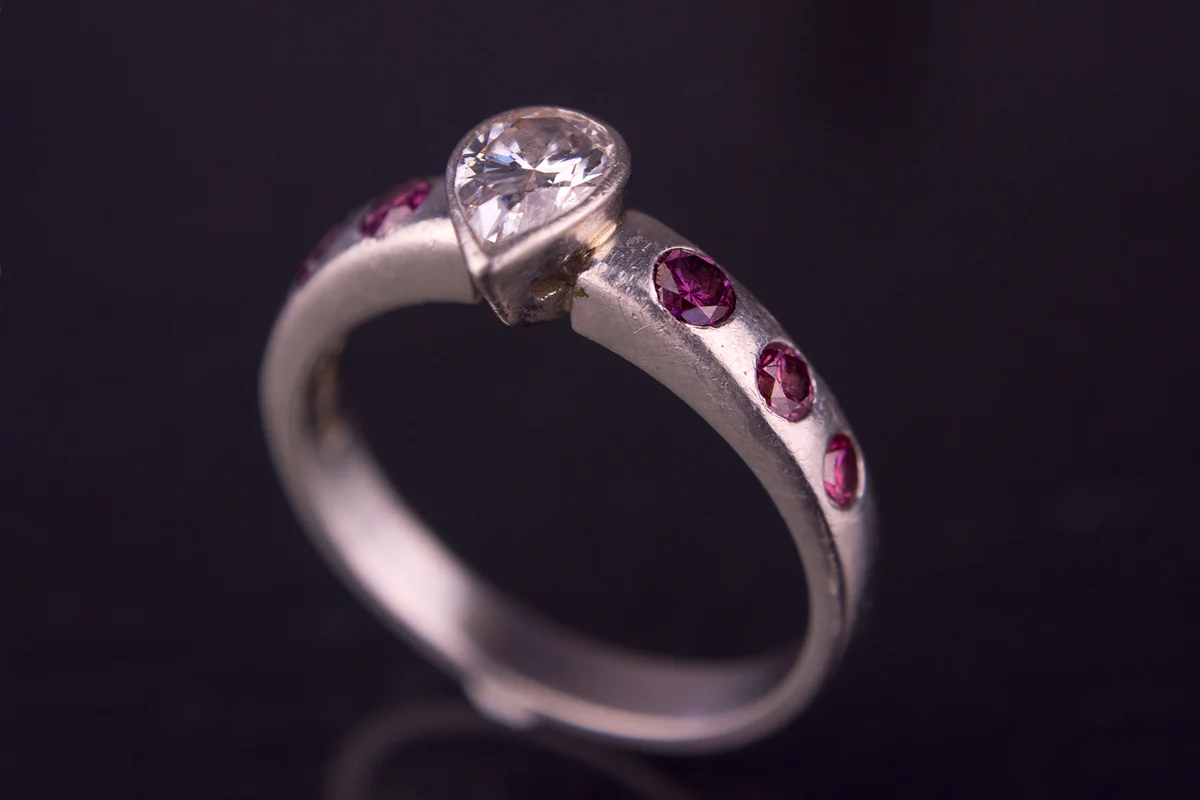
Palladium is a white precious metal that is becoming a popular choice for jewelry. There are a number of reasons to consider this metal for jewelry:
- Palladium is durable, which makes it a good choice for rings and other frequently worn jewelry.
- It is more affordable than gold or platinum.
- Palladium is lighter than platinum, which means it can be used for substantial pieces.
- Palladium is hypoallergenic; however, most palladium jewelry is an alloy of 95% palladium and 5% other metals. Depending on what other metals are used, allergies could be an issue for sensitive people.
Need to Know
If you're making palladium jewelry, this metal does present some challenges. It's great for settings, but it can be difficult to solder. It takes a polish beautifully.
Pewter - Affordable and Versatile
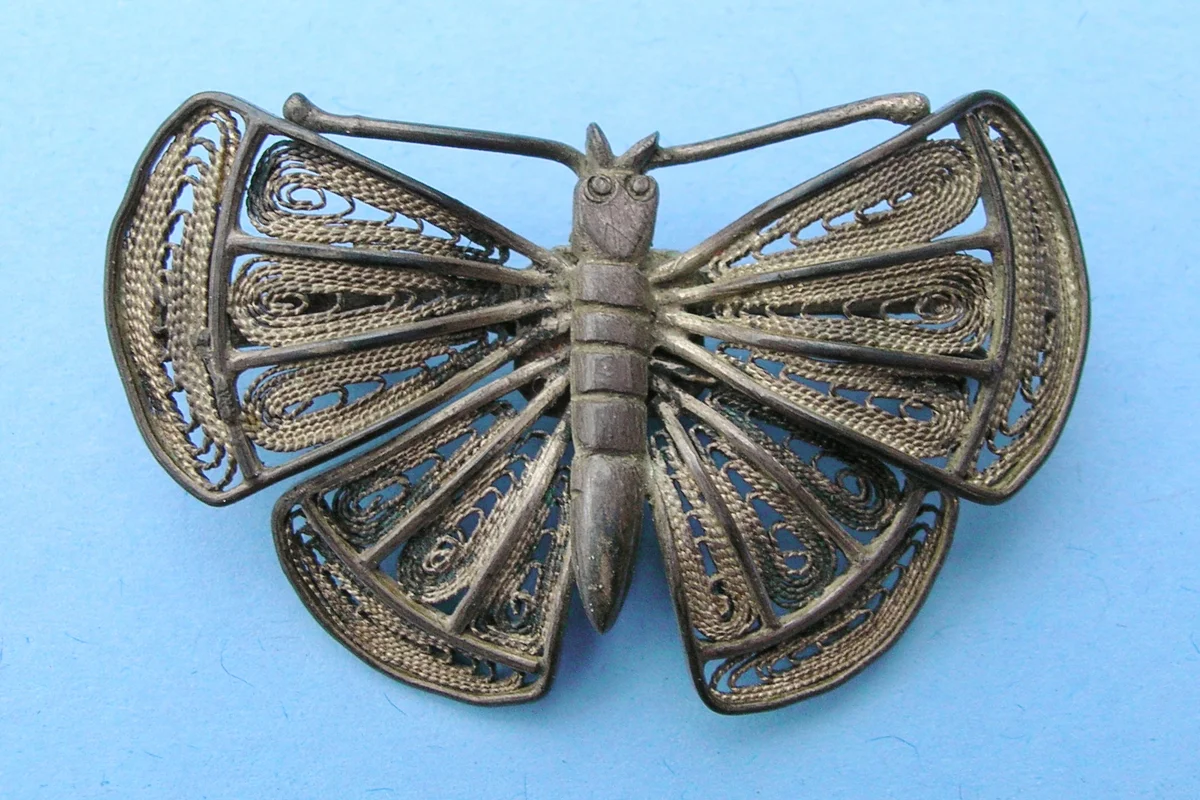
Pewter is the fourth most popular metal used in jewelry. As an alloy of tin and copper, pewter has a soft silver color. There are several reasons it is great for jewelry:
- Depending on the finishing process, pewter can be matte or shiny. Manufacturers can also apply chemicals to darken it for an antique appearance.
- Pewter is easy to work with and has a low melting point. This means that jewelers can craft a wide variety of detailed items from this metal.
- This is an affordable choice for costume jewelry and artisan pieces.
If you're considering pewter jewelry, there are a few potential disadvantages to keep in mind. For example, pewter can be prone to denting and damage, since it is so soft. Additionally, vintage pewter jewelry often contains lead, which is toxic. Modern and vintage pewter may bother people with metal allergies.
Need to Know
Jewelers who work with pewter have to be careful about it contaminating their work area. If the pewter gets into gold or silver, it can make it unusable. Many people have a separate set of tools for pewter and even a separate workspace.
Platinum - Precious and Strong
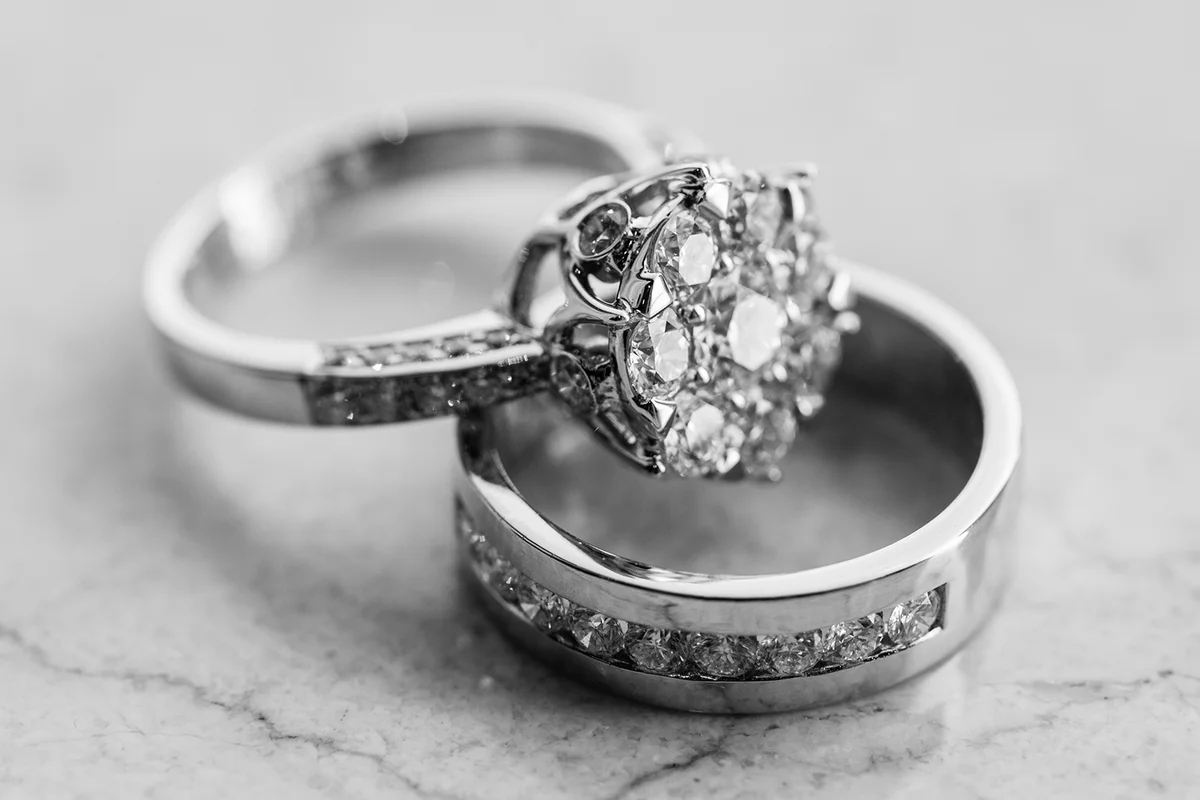
As one of the most desirable jewelry metals on the planet (just ask anyone with a platinum engagement ring), you really can't beat platinum for fine jewelry. Many properties give platinum its high status among jewelers and jewelry shoppers:
- Platinum has a beautiful white color that does not corrode or require polishing.
- This metal is rare and very valuable.
- One of the strongest metals on the planet, platinum is excellent for jewelry that needs to last a lifetime.
- Platinum works well in many jewelry designs.
Because it is so rare, platinum is one of the most expensive choices for jewelry. Because this metal is quite soft, jewelry-grade platinum is usually an alloy of 95% platinum and 5% other metals. Depending on the other metals, this can cause problems for metal-sensitive people.
Need to Know
Platinum is a wonderful metal for making jewelry, but you do need to work at a higher temperature than with other metals. Because it's so strong, polishing platinum can be extremely difficult as well.
Silver - Malleable and Beautiful
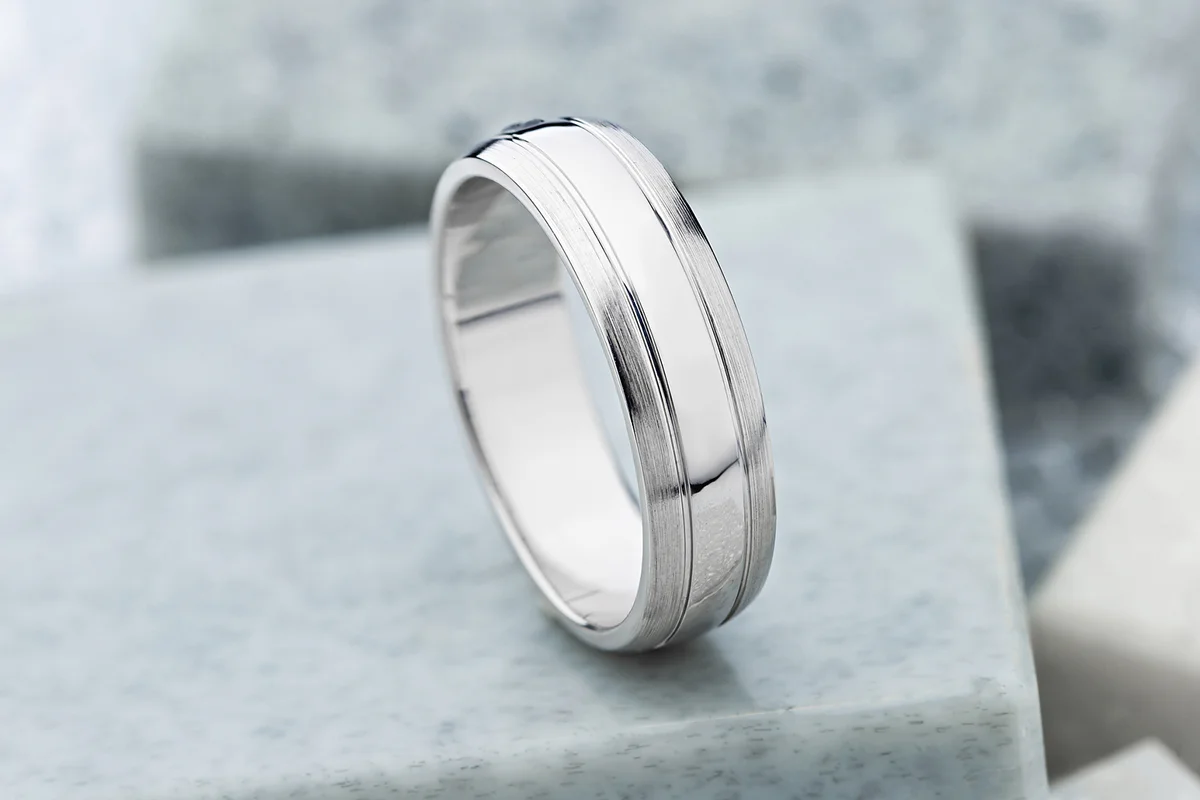
Silver is another beautiful white metal used in jewelry. Silver is extremely malleable. Because it is so soft, you'll rarely encounter pure silver jewelry. Instead, you'll see sterling silver, which is 92.5% silver and 7.5% other metals.
There are a few reasons silver is a popular choice for making jewelry:
- It's easy to work with. Silver melts at a lower temperature than some other precious metals, which is a bit easier for jewelers.
- You can create silver wire-wrapped jewelry with minimal training, and it's easy to find silver wire.
- Silver is strong, despite being soft.
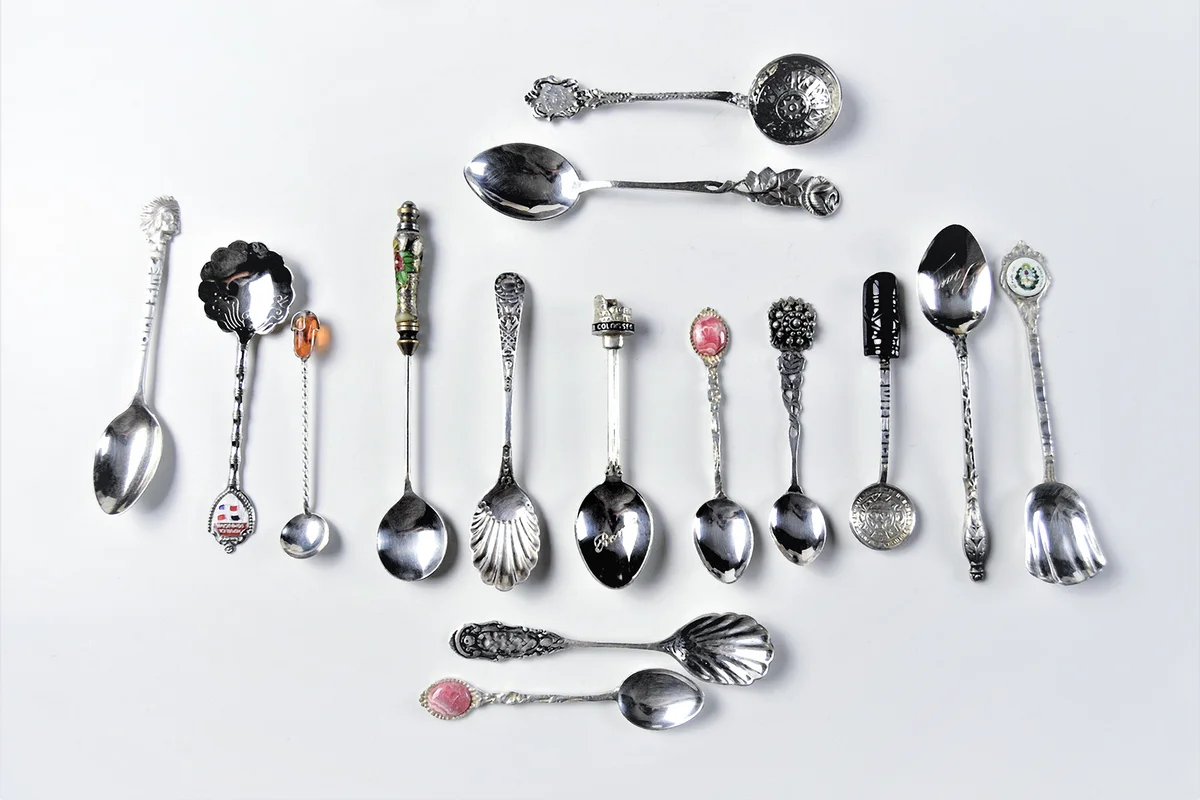
You may also encounter silver-plated and silver-filled pieces. These items feature a layer of silver on the surface of the piece. Silver plating creates a very thin layer, which is easily damaged. Silver-filled items are more durable since they have a thicker layer of silver.
Need to Know
Silver tends to tarnish, which means you need to store it properly or polish it gently to restore its shine.
Stainless Steel - Durable and Inexpensive
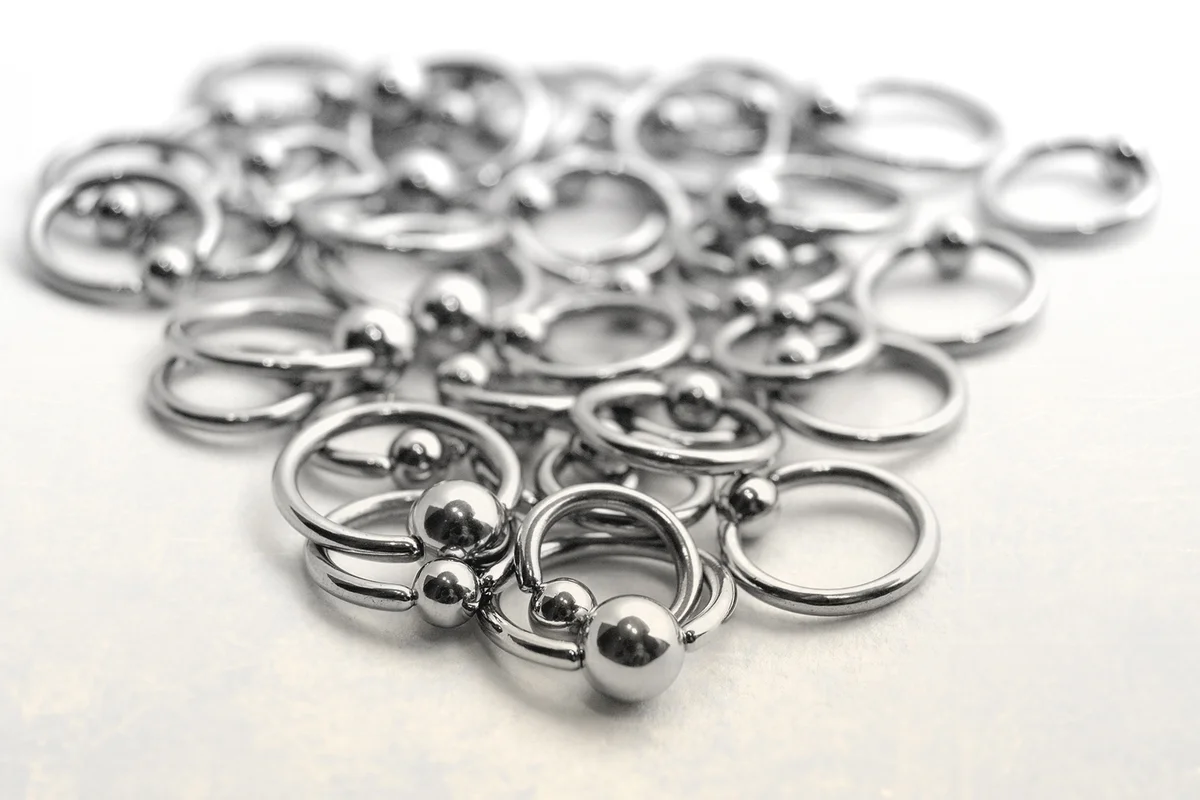
Stainless steel offers an affordable choice for people who love silver-toned jewelry. According to the British Stainless Steel Association, it is an alloy of chromium, nickel, titanium, copper, and other materials. There are many reasons to consider this metal for your jewelry purchases or projects:
- Stainless steel resists corrosion. This means that it's a great choice if you'll be exposing your jewelry to chemicals and daily wear.
- Compared to precious metals, stainless steel is far less expensive.
- Stainless steel is quite durable when compared to many other metals.
- You'll find many items in stainless steel, including rings, earrings, watches, bracelets, and more.
Those with metal allergies may find stainless steel problematic. Since nickel is often included in the alloy, it's best to avoid stainless steel if you are sensitive to metals.
Need to Know
If you're considering making jewelry with stainless steel, it's a bit of a challenge to fabricate your own pieces. There are different kinds of stainless steel, and you can't mix them easily. Pre-made stainless steel wire and findings are great to work with when creating jewelry, however.
Titanium - Strong and Tarnish-Resistant
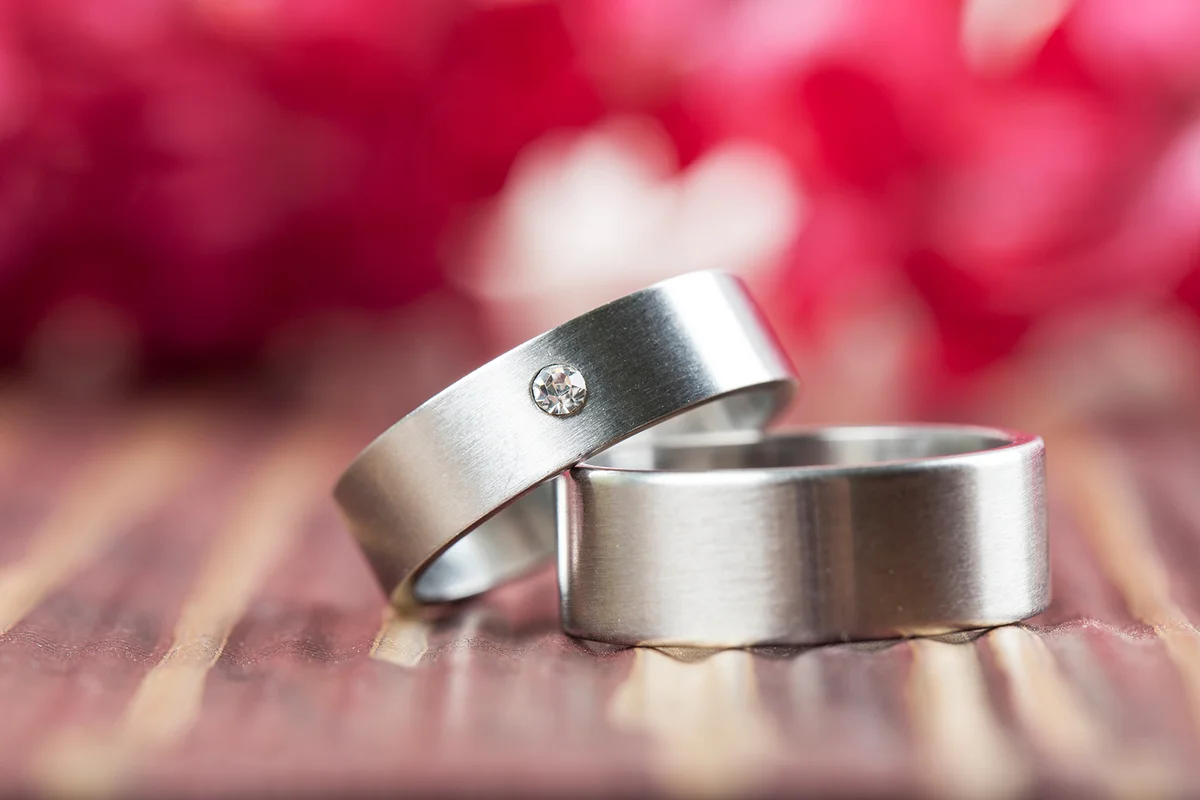
Titanium is another beautiful and affordable choice. There are lots of advantages to this silver-colored metal, although it is very challenging for jewelers to work with:
- This metal is 45% lighter than steel, making it a great choice for substantial jewelry pieces.
- Titanium is durable and strong, so it's a good choice for items you plan to wear often. It doesn't bend easily, and it resists scratching and abrasion.
- Jewelry pieces crafted from titanium resist tarnishing, so you won't have to perform a lot of upkeep on these items.
- Titanium is affordable compared to precious metals like platinum and gold.
- You can purchase pure titanium jewelry or titanium alloys that contain other metals. If you have a metal sensitivity, pure titanium is a great choice.
Titanium's biggest disadvantage is that it is difficult to work. This means that it isn't easy to resize titanium rings or other size-specific pieces, and it also means that many artisan jewelers hesitate to dabble in this material.
So Many Metals for Jewelry
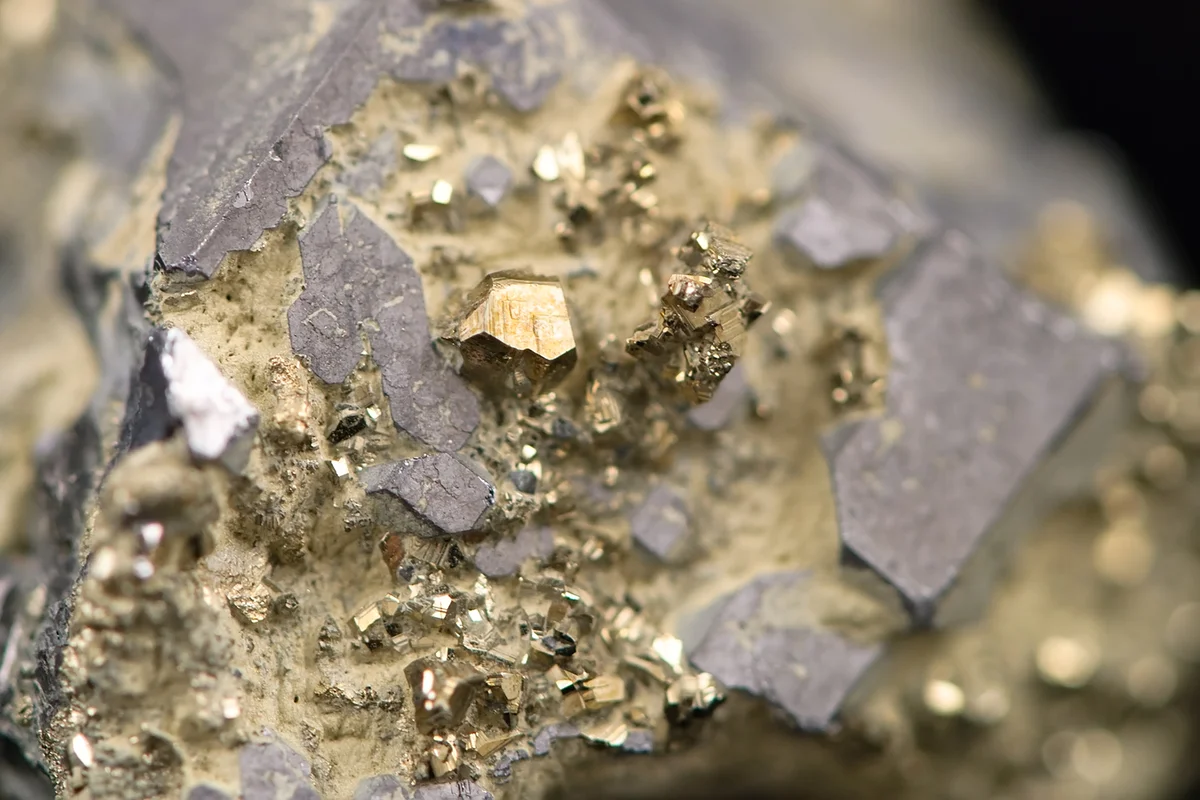
If you're making or buying jewelry, you have a ton of options. There are so many interesting metals in jewelry, and each material has pros and cons. Experiment by adding different metals to your collection or trying out different materials in your jewelry-making. With time and experience, you'll soon find out which metals are your favorites.