The colors and symbols of four classical elements represent the different aspects of nature and the forces of energy that control the world according to classical philosophy. You can incorporate these triangle element symbols in your daily life, your home and work environment, and even your attire.
Triangle Symbols of the Four Classical Elements
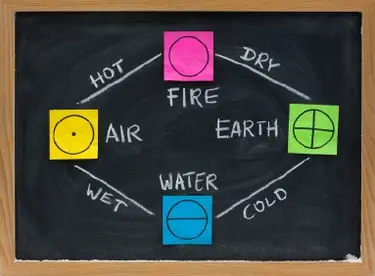
The four classic elements are still essential symbols of the cultures and belief systems of many groups, including Native Americans, pagans, and various tribal groups throughout the world. More modern groups such as Wiccan have adopted various symbols from these ancient cultures, and astrology also makes use of the classical elements. During the Greek Hellenic civilization (323-146 B.C.), the symbols used to represent the four elements of Greek physics were based on the triangle:
- Fire: Triangle points up
- Water: Triangle points down
- Air: Triangle points up with a horizontal line through center of triangle
- Earth: Triangle points down with a horizontal line through center of triangle
Later, Aristotle added a fifth element, ether, which you find in certain schools of thought or energy healing, such as in polarity therapy.
Classical Elements Versus Feng Shui Elements
The four classical elements of fire, water, air, and earth have some correspondence with the five feng shui elements (earth, water, fire, metal, wood), although there is only crossover between a few. This isn't surprising since the feng shui elements come from Eastern thought while the four classical elements come from Western philosophy.
Colors and Symbols of Four Classical Elements
The colors and symbols associated with the four elements each represent different aspects of nature. Depending on the culture and belief system, the symbols and colors may vary slightly.
Earth Element Symbol and Colors
The earth element is found in both feng shui and classical philosophy.
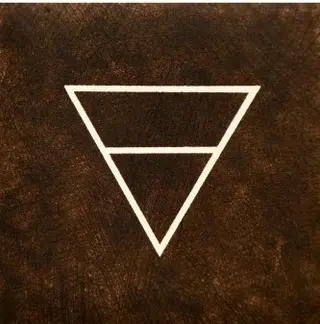
- Earth is a feminine element and is passive.
- It symbolizes the planet earth, mother, and grandmother.
- Earth represents nourishment, stability, permanence, security, and solidness.
- It symbolizes the direction North and represents the season of winter, and the wintertime of life (old age).
- Earth represents midnight in the cycle of the day.
In feng shui, earth represents a strong solid foundation. This element is assigned to the compass directions of southwest and northeast, as well as the center sector of your home.
| Feng Shui Symbols | Feng Shui Colors | Western Zodiac | Colors of Other Cultures |
|---|---|---|---|
| Crystals | Yellow | Virgo | Brown |
| Earthenware | Brown | Capricorn | Tan |
| Ceramic pottery | Taurus | Green | |
| Gemstones | Yellow | ||
| Rocks, boulders | Russet |
Water Element
Water is a feminine element that appears in both classical philosophy and feng shui.
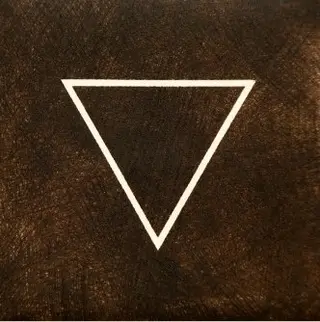
In feng shui, water represents:
- Wealth
- Prosperity
- Purification
- Abundance
In pagan cultures, water rules the compass direction of west and the season of autumn. However, in feng shui applications, the water element is assigned to the north.
| Feng Shui Symbols | Feng Shui Colors | Western Zodiac | Colors of Other Cultures |
|---|---|---|---|
| Aquariums | Black | Cancer | Aqua |
| Water fountains | Blue | Scorpio | Turquoise |
| Outside water features | Metal colors: Gold, silver or white | Pisces | Gray |
Fire Element
Fire is a masculine element that appears in both feng shui and western philosophy.
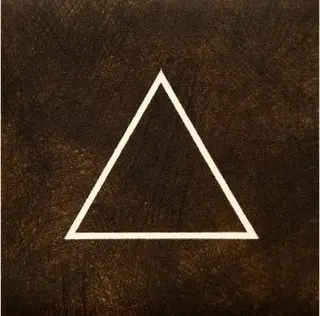
In feng shui, the masculine energy is called yang.
- It represents noon in the cycle of the day.
- The feng shui direction is south; it represents recognition and fame.
- Fire represents the season summer.
- In the cycle of life it represents young adulthood.
| Feng Shui Symbols | Feng Shui Colors | Western Zodiac | Colors of Other Cultures |
|---|---|---|---|
| Candles | Red | Leo | Red |
| Dragons | Pink | Sagittarius | Pink |
| Wood object (fuel the flames) | Aries | Orange | |
| Purple |
Air Element Symbols and Color
What color is air? It depends on the culture and school of thought. In feng shui, air isn't considered one of the five elements, so no colors are assigned to it. Air is a masculine element in many cultures. The chi energy rides on the air to travel around the world, but air cannot be contained or recreated to use within or outside your home. Therefore, it is not considered as an element, but a vital component of chi energy.
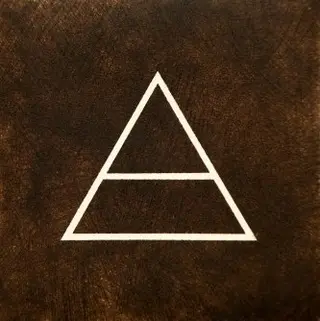
In many cultures, air is recognized as the breath of all life forms. Nothing can exist without it, but it's an invisible force and can only be seen in its passing through the other elements, such as:
- Leaves of trees
- Dust storms
- Flickering flames of fire
- Over the oceans
Some cultures believe air is represented by the compass direction east.
| Feng Shui Symbols | Feng Shui Colors | Western Zodiac | Colors of Other Cultures |
|---|---|---|---|
| N/A | N/A | Aquarius | Blue |
| Gemini | White | ||
| Libra | Gray |
Other Elements
What about other elements?
- In some philosophies, the air element is called wind while others consider air the mixing of earth and wind.
- In classical philosophy, Aristotle later added the element of ether (aether) to the four classical elements. In this case, ether was defined as "space," which is different from air, as every other element contains space or ether within it.
- Feng shui adds wood and metal to earth, water, and fire to complete the five elements.
Mystique Surrounding Element Symbols and Colors
The colors and symbols of four classic elements and the relationships they represent have been used to bolster and enhance personal environments throughout history. Most cultures have a deep reverence and respect for the elements of the world and recognize using them as well as their symbols and colors, they can bring those energies back into balance within their homes and surroundings.