When you're planting your garden, you want to give your plants the best chance of thriving. Some places are too cold for certain plants, and others are too warm. So how do you know what's just right for your region? Check out the USDA hardiness zones, which are determined by how cold it gets in the winter months.
USDA hardiness zone 6 is broken up into two subzones — zone 6a and zone 6b. It runs in a swath through the center of the country from Eastern Washington down through parts of the Mountain and Southwestern states, into the Midwest, and into the Northeast as far as parts of New Hampshire. If you live in this band, you'll probably have good luck with Zone 6 plants. Here's what you need to know about gardening in USDA plant hardiness zones 6a and 6b.
Zone 6 Hardiness Temperatures
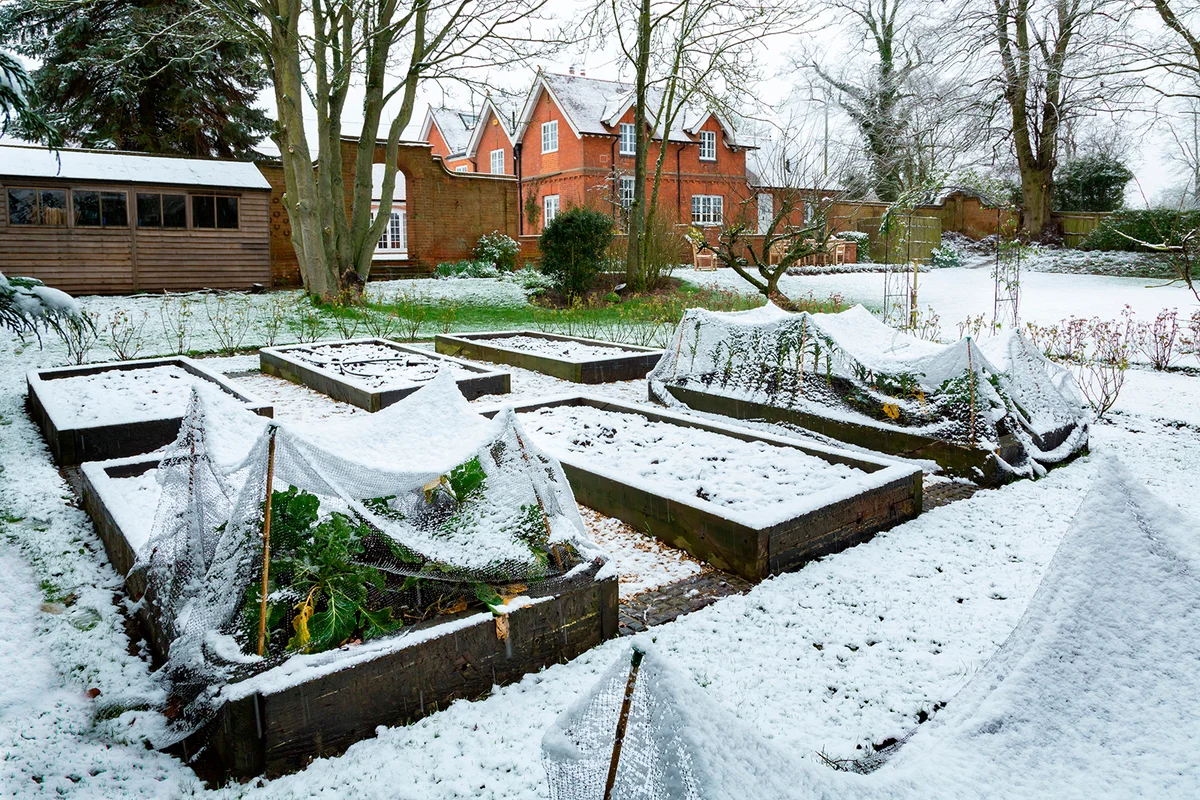
Subset Zone Temperatures Zone 6a and Zone 6b
Each gardening zone is divided into two subsets; zone 6 subsets are 6a and 6b. Each subzone is separated by 5°F. That means for Zone 6:
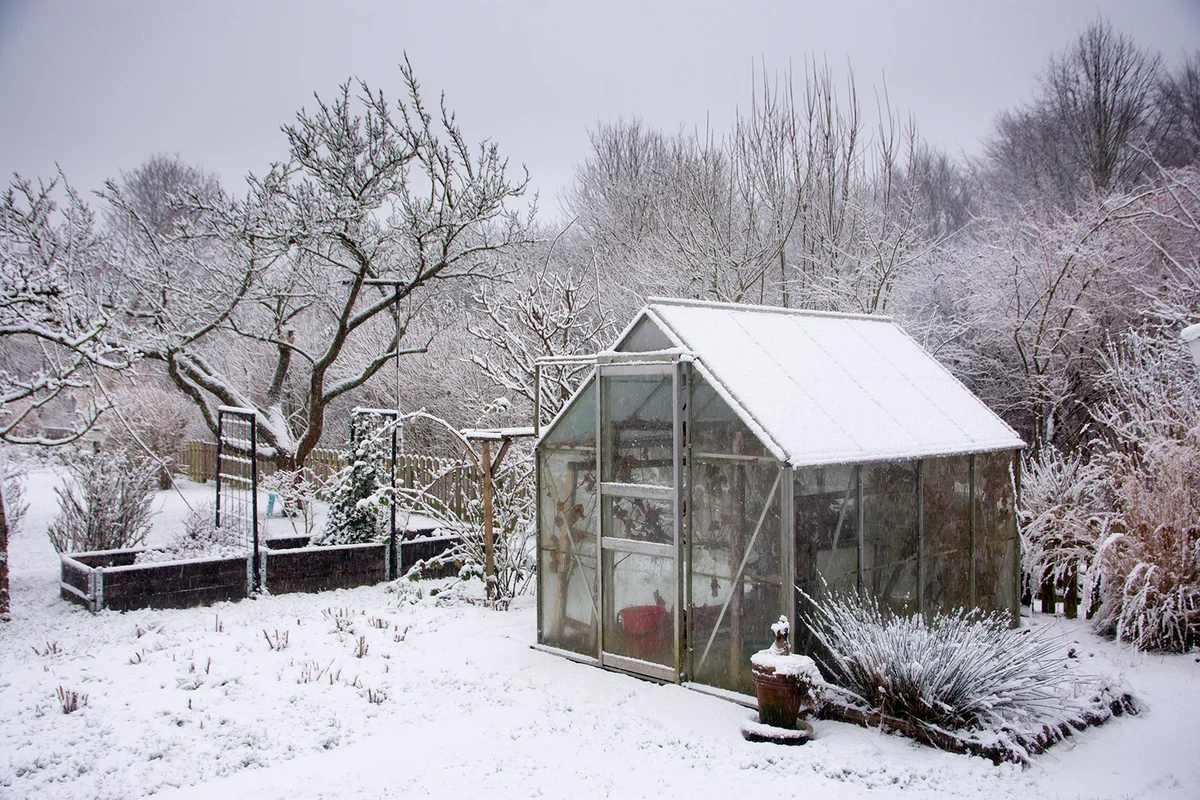
- Zone 6: This zone has a minimum average cold temperature of -10° to 0°F.
- Zone 6a: This subzone has a minimum average cold temperature of -10° to -5°F.
- Zone 6b: This subzone has a minimum average cold temperature of -5°F to 0°F.
The average minimum temperature for the winter months determines the zone and subset ranges. The temperatures don't always fall in this range since colder temperatures can occur.
Zone 6 States
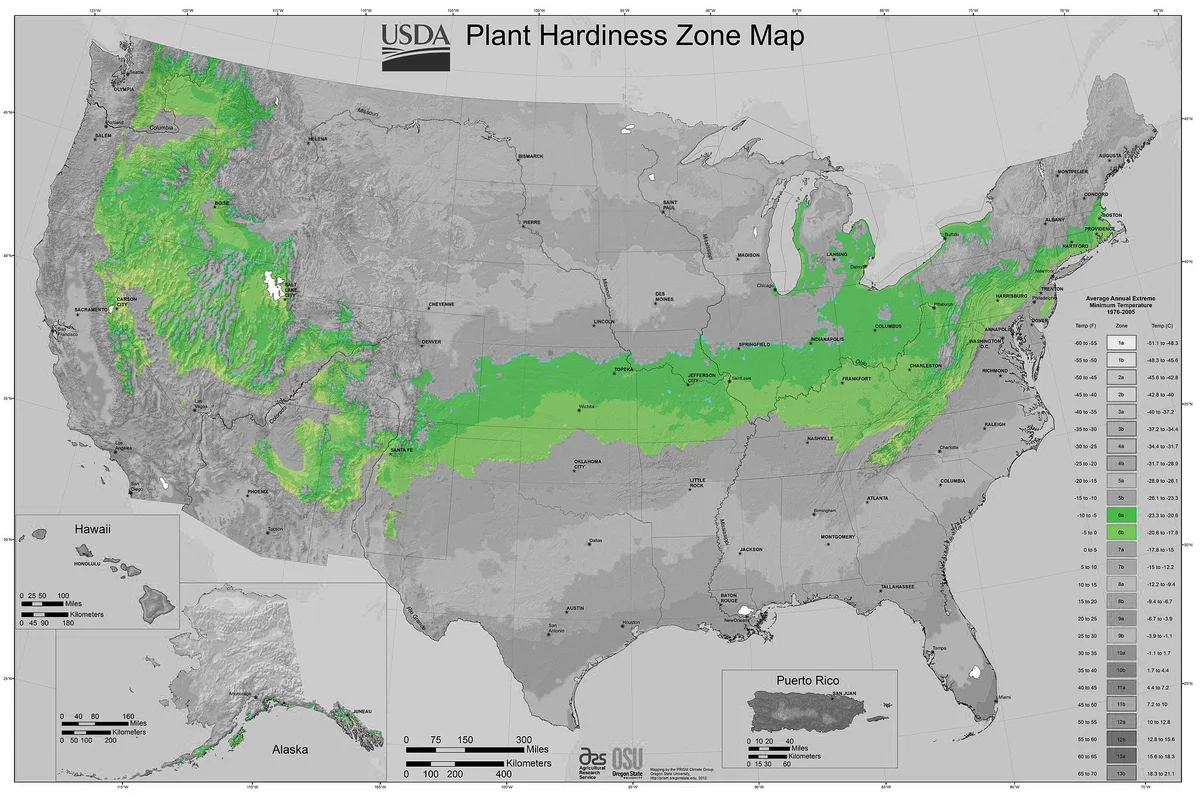
Because the climate can vary throughout a state, each state has more than one hardiness zone. For example, Alaska has zones 1 to 8. If you need specific information about the hardiness zone where you live, the USDA plant hardiness map can show you exactly what's in zones 6a and 6b. Our chart can also give you a general idea, and the above map can help you zero in on your area.
| State | Zone 6a or 6b | Notes |
| Southern Alaska | 6a & 6b | Mostly 6A |
| Arizona | 6a & 6b | Northern, Eastern (see map) |
| Arkansas | Mostly 6b | Northern |
| California | Mostly 6a | Central Eastern to North Eastern (see map) |
| Western Colorado | Mostly 6a | (see map) |
| Southeastern Colorado | Mostly 6a | 6b in the very Southeastern tip (see map) |
| Connecticut | 6b | Small areas of 6a in the Northwest |
| District of Columbia | 6b | |
| Idaho | 6a & 6b | 6a in panhandle Mostly 6b in Southern ID |
| Illinois | 6a & 6b | 6a Central IL 6b Southern (7a in the very south) |
| Indiana | 6a & 6b | 6a Northern & Central 6b Southern |
| Iowa | 6a | Small area in the Southeastern corner |
| Kansas | 6a & 6b | 6a in Northwest corner 6b from Southwest to Eastern Central |
| Kentucky | 6a & 6b | 6a in Northeastern tip 6b rest of state |
| Maryland | 6b | Small area in the North |
| Massachusetts | 6a & 6b | 6a South Central 6b East |
| Michigan | 6a | South and Central Bordering Lake Michigan |
| Missouri | 6a & 6b | 6a North (except on IA border) 6b Central |
| Montana | 6a | Northwestern corner |
| Nevada | 6a & 6b | Central NV |
| New Hampshire | 6a | Southern |
| New Jersey | 6b | Northwestern corner |
| New Mexico | 6a & 6b | Throughout state (see map) |
| New York | 6a & 6b | Throughout state (see map) |
| Ohio | 6a & 6b | 6a Western and Northeastern 6b rest of state |
| Oklahoma | 6b | Panhandle |
| Oregon | 6a & 6b | Central & Eastern (see map) |
| Pennsylvania | 6a & 6b | Throughout state (see map) |
| Rhode Island | 6b | Entire state |
| Texas | 6b | Very northwestern tip |
| Rhode Island | Tennessee | Texas |
| Utah | 6a & 6b | See map |
| Washington | 6a & 6b | Central & Eastern (see map) |
| West Virginia | 6b | Eastern |
Zone 6 Growing Tips
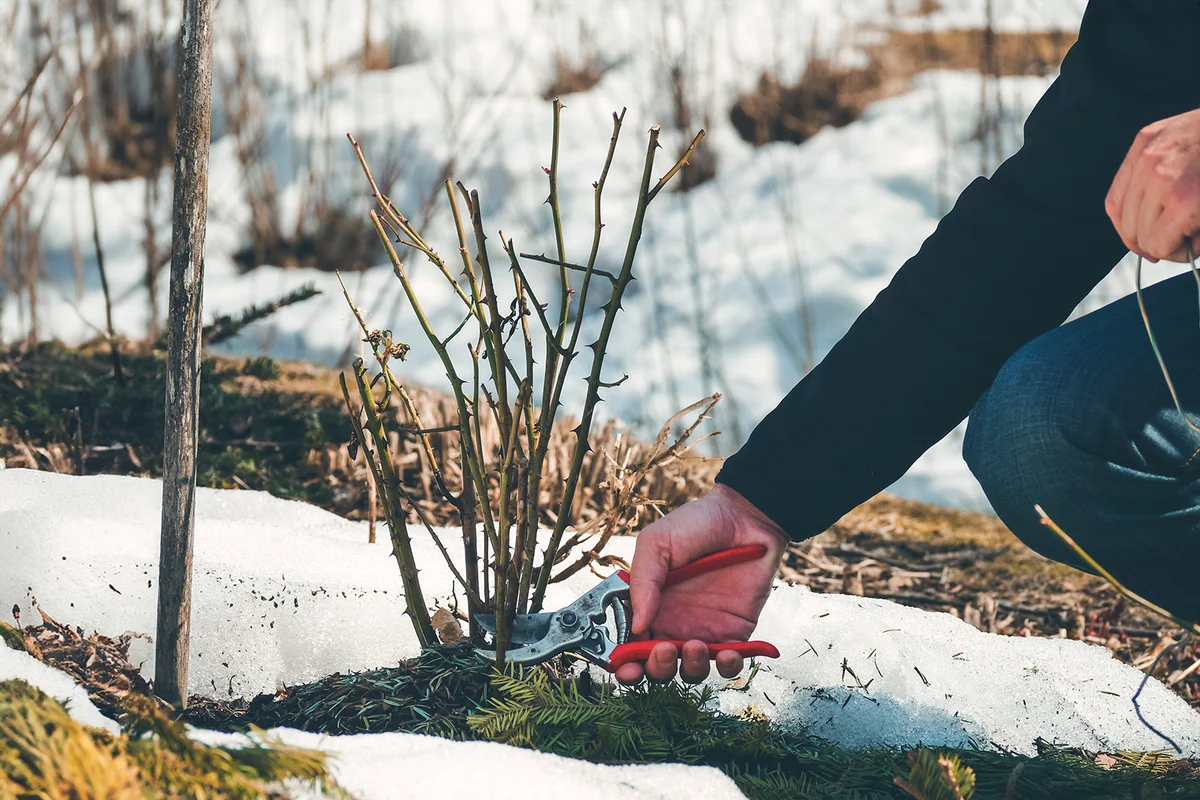
Use the hardiness zone guide to decide which plants grow best in your region. Most zones have a variety of trees and plants that thrive in Zones 6a and 6b.
Vegetables
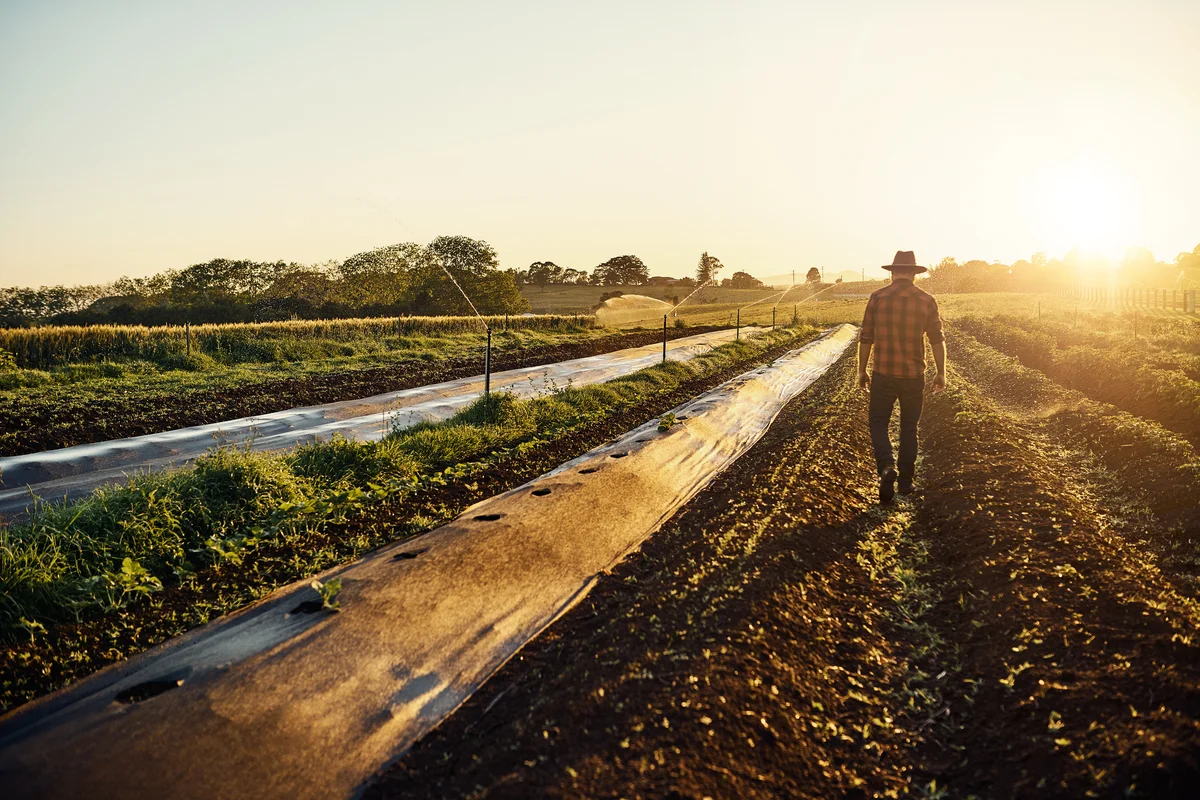
In Zone 6, start seeds for transplants indoors six weeks before the last frost date. These include tomato, eggplant, pepper, and other easy-to-transplant plants. Direct-sow vegetables, such as beans, cabbage, corn, cucumber, squash, and others can be planted on or around May 1.
Quick Tip
Check the maturation days on the seed packet. This is the number of days it takes from the time you sow the seeds to the time the vegetable is ready for harvesting.
Cold-Hardy Fruit and Nut Trees
You can grow cold-hardy fruit trees and nut trees in Zone 6, including:
- Apple trees, such as Honeycrisp, Gala, McIntosh, and others
- Most European pears, such as Bartlett and Conference
- Several peach tree varieties, such as Reliance, Madison, and others
- Plums, cherries, blackberries, and blueberries
- Walnut, pecan, pine nut, chestnut, and other trees
Perennial Flowers
You can grow lots of flowers, including begonia, calla lily, dahlia, and gladiola.
Shrubs
For shrubs, you can choose azalea, buddleia, clematis, hydrangea, and rhododendron.
Frost Dates for Zone 6
Since much of planting involves looking at the first and last frost dates, having an idea of when that is for your zone can be helpful. These aren't exact, but they give you a good idea of when it's safe to plant.
- Last frost date: April 1 to April 21
- First frost date: October 17 to 31
You can download a current frost date app that will give precise frost date information specific to your ZIP code.
Things Zone Designations Don't Include
The USDA Hardiness Zone Map is calculated using the average low temperatures for a specific zone. These guidelines are designed to assist you in selecting plants and trees that can survive the winter months in your zone. The zone map doesn't take into consideration other growing factors, such as droughts, rainfall, microclimates, soil fertility, and unusual weather patterns.
Gardening in Zones 6a and 6b
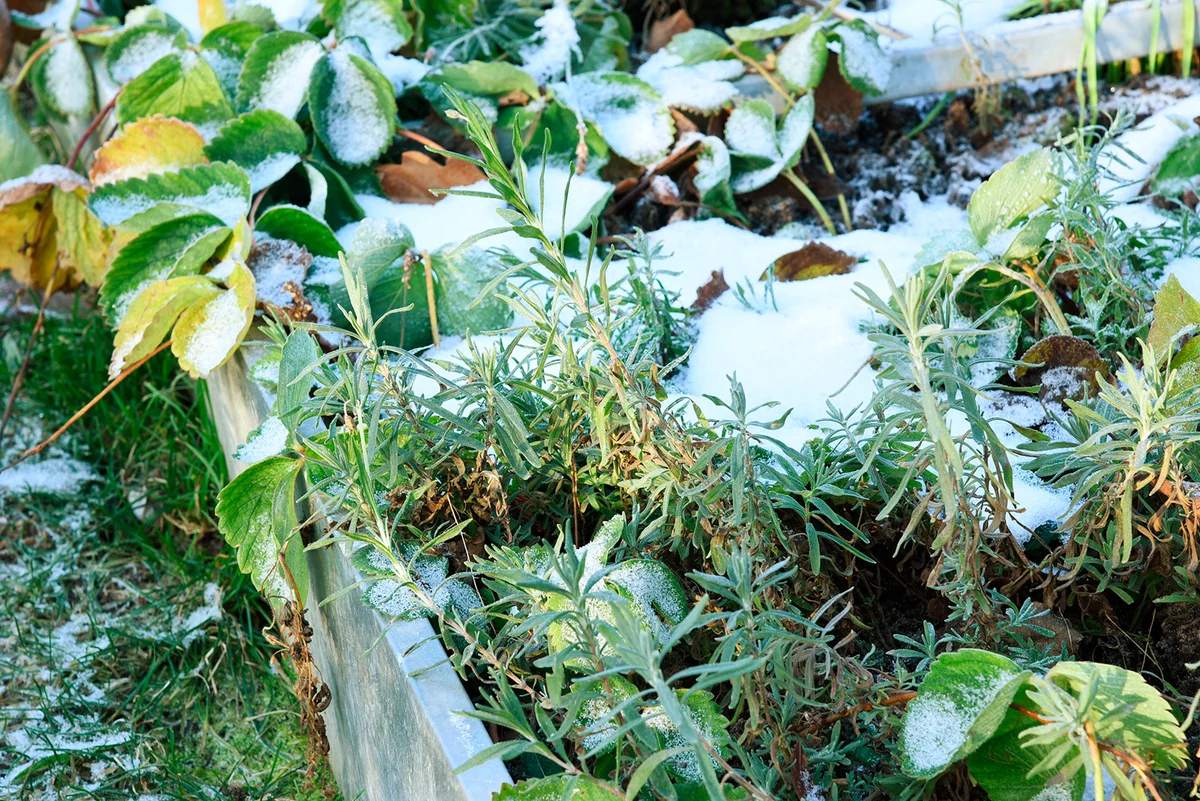
The growing season for Zone 6 is considered a medium-long time frame for growing most vegetables, fruits, shrubbery, flowers, and other plants. Seed and plant companies always include zone information on seed packets for your convenience and successful planting.
![USDA Plant Hardiness Zone Map - By USDA-ARS and Oregon State University (OSU) [Public domain], via Wikimedia Commons](https://assets.lovetoknow.com/images/230079-2048x1365-USDA-Plant-Hardiness-Zone-Map---Zone-5-1200x800.webp)
![By USDA-ARS and Oregon State University (OSU) [Public domain], via Wikimedia Commons](https://assets.lovetoknow.com/images/230297-1689x1127-USDA_Plant_Hardiness_Zone_Map_4-1200x801.webp)
![USDA Plant Hardiness Zone Map - By USDA-ARS and Oregon State University (OSU) [Public domain], via Wikimedia Commons](https://assets.lovetoknow.com/images/230107-2048x1365-USDA-Plant-Hardiness-Zone-Map---Zone-3-1200x800.webp)