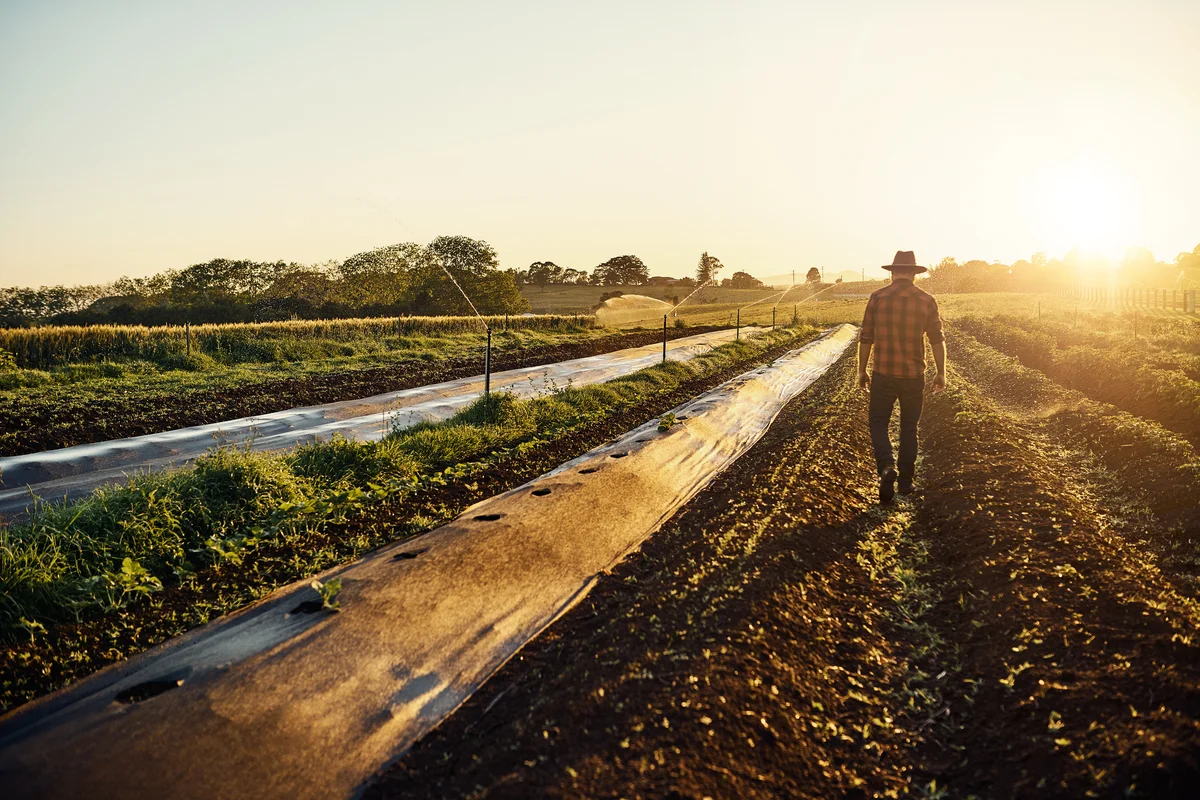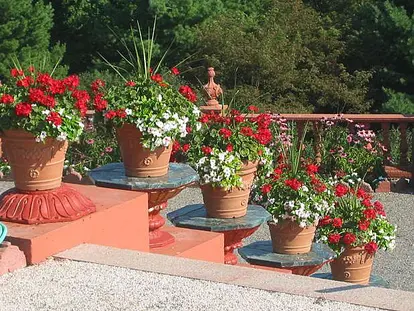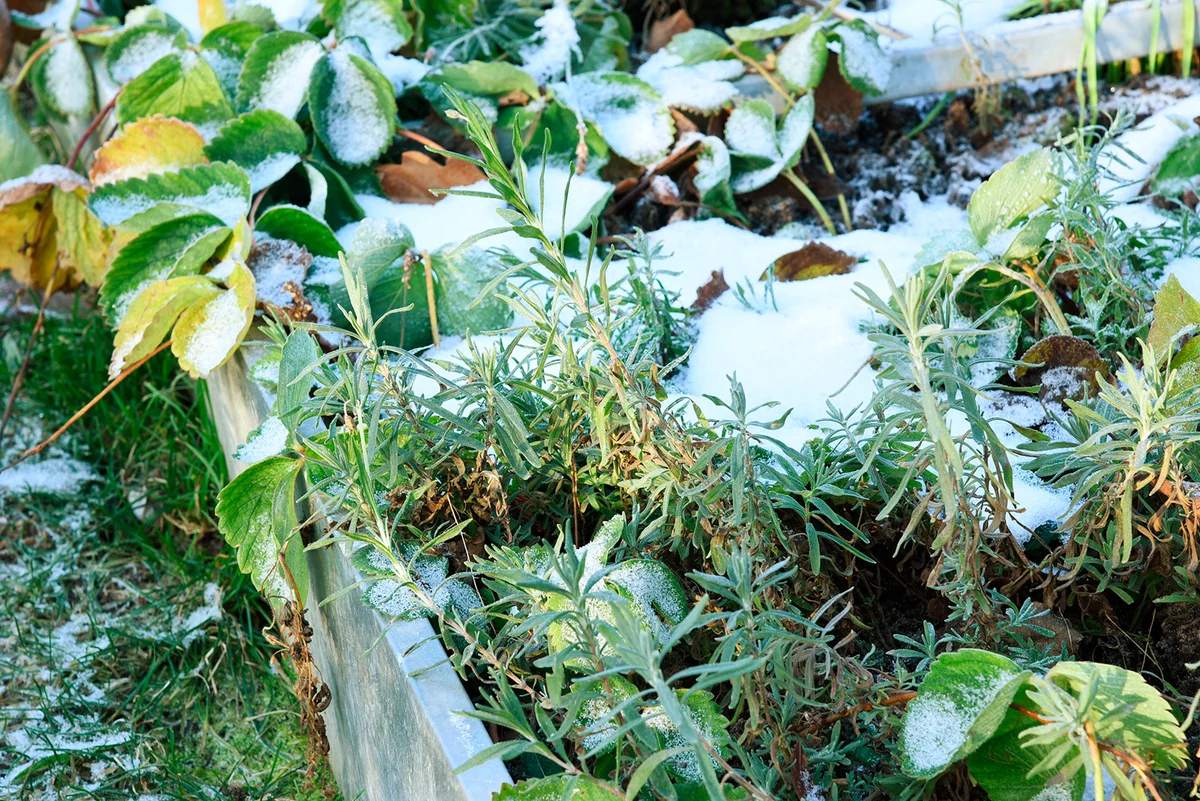
If you want your perennial plants and trees to survive the winter, checking your USDA plant hardiness zone is essential. Average minimum winter temps in Zone 7 are about 0°F to 5°F (Zone 7a) or 5°F to 10°F (Zone 7b). To give your garden and landscape the best chance of surviving the winter, make sure you choose plants that will thrive throughout Zone 7.
Zone 7 Hardiness Temperatures
The USDA determines gardening zones by the average minimum temperature in the winter months. The temps for each zone are separated by a difference of 10°F. For example, the average low temperature of Zone 7 is 10° colder than Zone 8, and the average low temperature in Zone 8 is 10° colder than Zone 9.
Temperatures for Zone 7a and Zone 7b
Each subzone is separated by 5°F.
- Zone 7: The overall zone has a minimum average of temperatures of 0° to 10°F.
- Zone 7a: This subzone has a minimum average temperature of 0° to 5°F.
- Zone 7b: This subzone has a minimum average temperature of 5° to 10°F.
Of course, the temperatures don't always stay within this range. Much colder temperatures can occur. The hardiness zones pivot around these minimum average degrees.
Zone 7 States
![USDA Plant Hardiness Zone Map - By USDA-ARS and Oregon State University (OSU) [Public domain], via Wikimedia Commons](https://assets.lovetoknow.com/images/229999-2048x1365-USDA-Plant-Hardiness-Zone-Map---Zone-7-1200x800.webp)
No state has just one zone. Most states have multiple hardiness zones because of minor climate differences based on location, landscape, etc. If you're unsure exactly what zone your property is in, the USDA plant hardiness zone map lets you search your ZIP code to find out your hardiness zone.
Our handy chart below shows you which states (and approximately where in the state) are Zone 7a and Zone 7b.
| State | Zone | Notes |
|---|---|---|
| Alabama | 7b | Very small areas in NW & NE |
| Alaska | 7a & 7b | Very southern part of the state (see map) |
| Arizona | Mostly 7a | Scattered throughout state (mostly North — see map) |
| Arkansas | 7a & 7b | 7a in extreme north 7 b in north |
| California | 7a & 7b | Both in the NE (see map) |
| Colorado | Mostly 7a | Western |
| Connecticut | 7a | South |
| Delaware | 7b | Entire state |
| Georgia | 7b | Very NE tip |
| Idaho | 7a | Small spots in panhandle & SW (see map) |
| Maryland | 7a & 7b | 7a - Extreme north 7b - Rest of state |
| Massachusetts | 7a | Extreme south |
| Mississippi | 7b | Small swatch in extreme north-central |
| Missouri | 7a | South |
| Nevada | 7a & 7b | Throughout state (see map) |
| New Jersey | 7a & 7b | 7a throughout most of the state except in extreme NW 7b in very small portion of the SW |
| New Mexico | 7a & 7b | Throughout state (see map) |
| New York | 7a | Southeastern tip |
| North Carolina | 7b | Northeast |
| Oklahoma | 7a & 7b | 7a north 7b central |
| Oregon | 7a & 7b | Scattered through central and eastern ( see map) |
| Pennsylvania | 7a | Southeast |
| Rhode Island | 7a | Very small spot in east (see map) |
| Tennessee | 7a & 7b | 7a small spots in central (see map) 7b rest of state |
| Texas | 7a & 7b | 7a NW panhandle 7b rest of panhandle (see map) |
| Utah | 7a & 7b | Scattered throughout state (see map) |
| Washington | 7a | Southeastern |
Plants That Thrive in Zone 7a & 7b
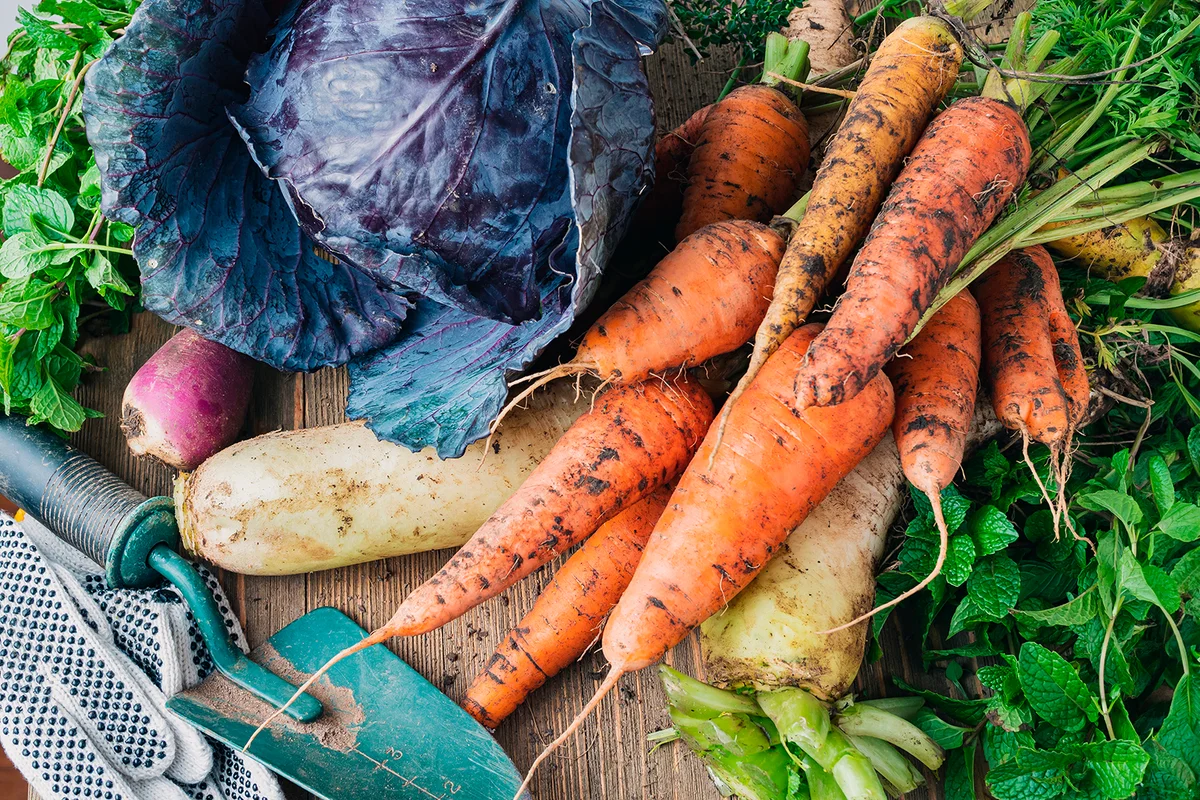
There are many vegetables, flowers, trees, and other plants that you can grow in zone 7. The summer vegetable crop varieties often seem endless.
Herbs
Choose varieties of herbs that overwinter well.
- Rosemary
- Sage
- Chives
- Mint
- Oregano
- Parsley
- Thyme
Veggies
Cool-weather veggies do well in Zones 7a and 7b.
- Root veggies: onions, carrots, turnips, potatoes, sweet potatoes, rutabaga, celeriac, beets
- Brassicas: broccoli, cabbage, mustard, kale
- Leafy veg: spinach, lettuce, arugula
- Others: corn, peas, beans, cucumbers, eggplant, summer and winter squash, pumpkins
Related: 26 Plants for Your Summer Vegetable Garden
Trees
Many trees will do well in this zone.
- Nut trees, such as pecan, chestnut, walnut, hazelnut, and hickory
- Fruit trees, such as apple, peach, pear, and apricot
- Other trees, like dogwood, arborvitae, Japanese maple, redbud, weeping cherry
Need to Know
A common misperception is that it's not possible to grow citrus trees in this zone. However, there are several varieties that are zone 7 and even Zone 8 hardy.
McKenzie Farms and Nursery specializes in producing cold-hardy citrus, palms, and eucalyptus trees. The company only ships inside the U.S. and cannot ship to Arizona, California, Florida, or Texas.
Berries
Love berries? Take your pick!
- Strawberries
- Blackberries
- Blueberries
Perennial Flowers
Many perennial flowers grow well in Zone 7.
- Echinacea
- Creeping phlox
- Wild columbine
- Trillium
- Lily-of-the-valley
Shrubs
If you love a shrub, try these.
- Azalea
- Buddleia
- Clematis
- Forsythia
- Hydrangea
- Lilac
Need to Know
Most local nurseries and big box stores sell only plants suitable to the local zone.
Zone 7 Gardening Tips
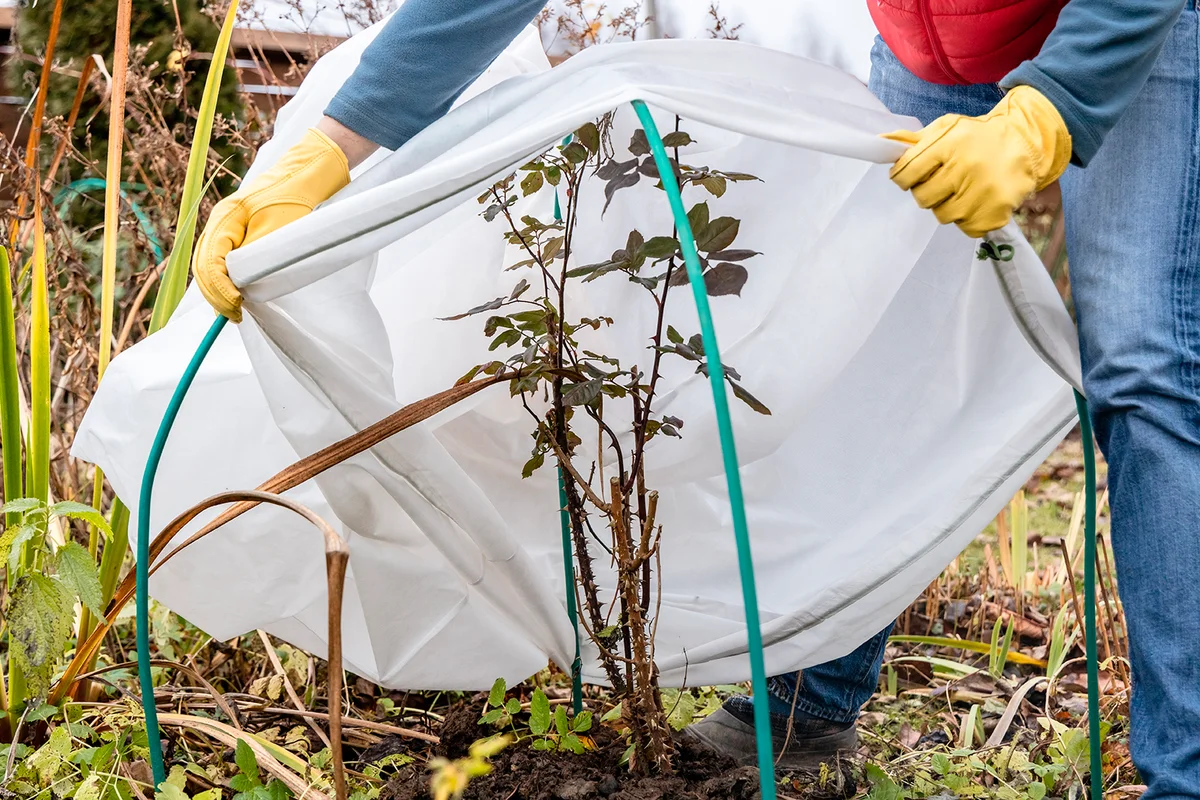
The hardiness zone guide can help you decide which plants to grow in your region, and our tips can help you succeed.
Frost Dates
Understanding your frost dates for Zones 7a and 7b will give you the most chance of success.
- Last frost date: Mid-April is the timeframe given for zone 7, although there have been frosts as late as the first week in May.
- First frost date: Mid-October is the benchmark for first frost, but it has also been as late as the first week in November.
You can always download a current frost date app. Just enter your ZIP code to get a more accurate time frame.
Things Zone Designations Don't Include
The way to use the zone designation is to aid you in growing plant life that can survive the winter in your region. The zone guide can't account for occurrences like microclimates, droughts, soil conditions, soil fertility, rainfall, and unusual weather patterns. These things are very important to your growing progress. You can find this information in Sunset's The New Western Garden Book.
Successful Gardening in Zone 7
Zone 7 offers a long growing season that gives plenty of opportunity to enjoy a wide variety of flowers, trees, shrubs, and vegetables. By knowing what plants can tolerate winter conditions in your zone, you can save quite a bit of time and money.
![USDA Plant Hardiness Zone Map - By USDA-ARS and Oregon State University (OSU) [Public domain], via Wikimedia Commons](https://assets.lovetoknow.com/images/230107-2048x1365-USDA-Plant-Hardiness-Zone-Map---Zone-3-1200x800.webp)
![USDA Plant Hardiness Zone Map - By USDA-ARS and Oregon State University (OSU) [Public domain], via Wikimedia Commons](https://assets.lovetoknow.com/images/230079-2048x1365-USDA-Plant-Hardiness-Zone-Map---Zone-5-1200x800.webp)
![By USDA-ARS and Oregon State University (OSU) [Public domain], via Wikimedia Commons](https://assets.lovetoknow.com/images/230297-1689x1127-USDA_Plant_Hardiness_Zone_Map_4-1200x801.webp)